

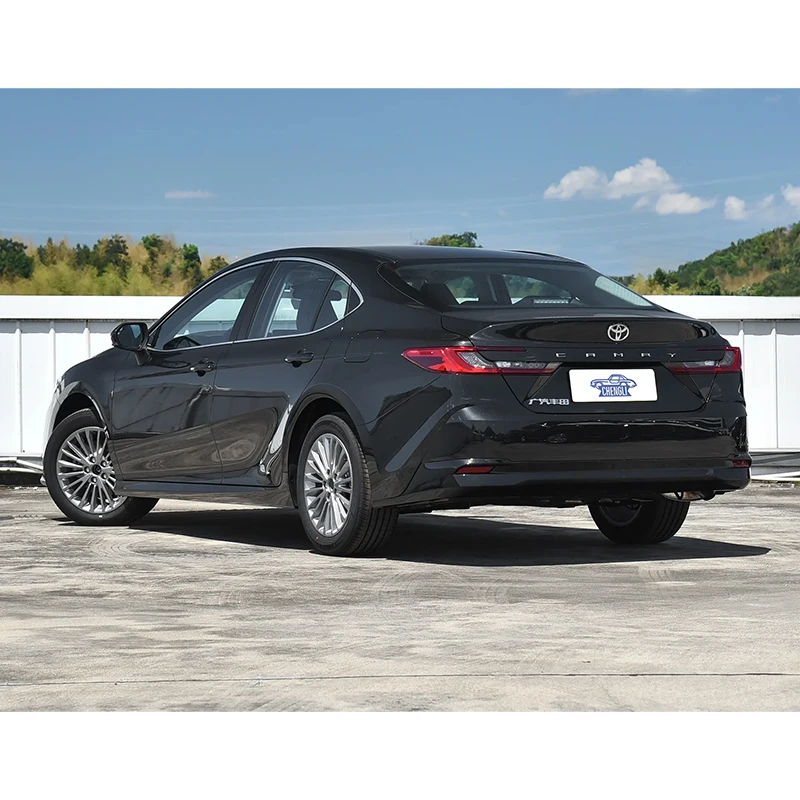
When fleet operators search for a dependable, cost-effective vehicle platform for passenger transport, Toyota MPVs are among the most trusted choices in the global market.
For taxi companies, airport shuttle operators, hotel transportation services, corporate mobility providers, and rental fleets, used Toyota MPVs offer a compelling combination of reliability, fuel efficiency, passenger comfort, easy maintenance, and strong resale value.
These advantages make them highly suitable for high-utilization commercial operations where uptime, running costs, and customer experience matter most.
This guide provides an SEO-friendly, industry-focused overview of the best used Toyota MPVs for taxi, shuttle, and rental fleets.
It does not recommend specific dealerships or companies. Instead, it covers vehicle definitions, fleet benefits, common use cases, buying considerations, specifications, and comparison tables that can be directly inserted into a blog, directory page, or industry landing page.
MPV stands for Multi-Purpose Vehicle. In commercial transportation, an MPV is designed to carry multiple passengers comfortably while offering a flexible interior layout, practical luggage space, and easy entry and exit.
Compared with sedans or SUVs, MPVs are often better suited for taxi and shuttle operations because they can transport more passengers, accommodate luggage more efficiently, and provide a more comfortable ride for groups and families.
For rental fleets, MPVs create additional value by serving customers who need more space than a standard car but do not require a full-size van.
For shuttle services, MPVs are ideal for airport transfers, hotel runs, employee transport, and short-distance group travel.
For taxi fleets, they help operators earn more from higher-occupancy trips while maintaining manageable operating costs.
Toyota has built a strong reputation in the global commercial vehicle market because its MPVs are known for long-term durability, low maintenance needs, and broad parts availability.
In used vehicle markets, Toyota MPVs are especially attractive because they often retain mechanical reliability even after high mileage.
This is important for fleet buyers who prioritize total cost of ownership rather than just upfront purchase price.
The main reasons fleet managers choose used Toyota MPVs include:
Different Toyota MPV models fit different commercial needs. Some are compact and efficient for urban taxi work, while others are larger and better for shuttle and rental applications.
Below is a practical overview of widely recognized Toyota MPVs commonly considered for fleet use.
| Model | Primary Fleet Use | Typical Seating | Key Strengths | Best For |
|---|---|---|---|---|
| Toyota Innova | Taxi, shuttle, rental | 7–8 seats | Durable, versatile, comfortable, strong resale value | Mixed fleet operations, airport transfers, family rentals |
| Toyota Innova Crysta | Premium shuttle, executive taxi, rental | 7–8 seats | Improved comfort, modern design, refined interior | Premium passenger transport and corporate mobility |
| Toyota Noah | Taxi, urban shuttle, rental | 7–8 seats | Sliding doors, compact footprint, easy access | City transport, family-oriented rental fleets |
| Toyota Voxy | Shuttle, rental, executive transport | 7–8 seats | Practical cabin, flexible seating, efficient package | Urban shuttles and medium-duty passenger fleets |
| Toyota Alphard | Premium shuttle, VIP rental | 6–8 seats | Luxury comfort, premium image, spacious interior | VIP transfers, executive travel, high-end rentals |
| Toyota Sienta | Compact taxi, small rental fleet | 6–7 seats | Fuel-efficient, compact, practical for city use | Urban fleets with tight streets and lower operating costs |
| Toyota Wish | Taxi, shuttle, rental | 6–7 seats | Balanced size, good efficiency, easy handling | Budget-conscious fleet operators |
Taxi fleets need vehicles that can handle frequent stop-and-go driving, long daily operating hours, and repeated passenger loading and unloading.
Used Toyota MPVs are well suited to these conditions because they are engineered for durability and predictable maintenance.
Their larger passenger capacity can also improve earning potential on per-trip or per-shift basis.
Shuttle operations often serve airports, hotels, business parks, schools, hospitals, and event venues.
In these environments, fleet vehicles must balance passenger comfort, accessibility, and operating efficiency.
Toyota MPVs are effective shuttle vehicles because they can carry small to medium groups without the size and cost burden of larger vans.
Rental customers look for vehicles that are practical, clean, comfortable, and economical.
MPVs are especially popular with families, business travelers, tourist groups, and customers carrying luggage or sports equipment.
Used Toyota MPVs fit rental fleets well because they combine dependable operation with broad market appeal.
When selecting a used Toyota MPV for fleet use, the engine type matters.
In many markets, Toyota MPVs are available with petrol engines, diesel engines, and hybrid systems.
Each has specific advantages depending on mileage, route type, and operating environment.
| Powertrain Type | Main Advantages | Best Fleet Application | Notes |
|---|---|---|---|
| Petrol | Smoother operation, widely available, often lower purchase price | Urban taxis, rentals, general shuttle use | Good all-around choice for mixed driving conditions |
| Diesel | Strong torque, efficient on long routes, suitable for load-carrying | Intercity shuttle, high-mileage fleets | Useful where fuel economy and pulling power are priorities |
| Hybrid | Lower fuel consumption, quieter operation, environmentally friendly appeal | Urban taxi fleets, premium rental fleets | Ideal for stop-start driving and sustainability goals |
Fleet buyers should compare key specifications before purchasing any used MPV.
While exact numbers vary by model year, market, and trim level, the table below provides a practical reference for common fleet planning.
| Specification | Typical Range for Used Toyota MPVs | Fleet Relevance |
|---|---|---|
| Seating capacity | 6 to 8 passengers | Determines trip revenue potential and group transport suitability |
| Transmission | Manual or automatic | Automatic is often preferred for urban fleet comfort and ease |
| Engine displacement | Approximately 1.5L to 2.8L | Affects fuel use, power delivery, and operating performance |
| Fuel efficiency | Varies by model and route conditions | Important for controlling total operating cost |
| Luggage space | Moderate to large depending on seat configuration | Essential for airport and hotel transfer services |
| Sliding doors | Available on many MPV models | Improves passenger access in tight parking areas |
| Safety systems | Airbags, ABS, stability control, parking assist on newer units | Supports commercial safety standards and passenger confidence |
A used MPV may look clean on the outside but still require a careful inspection before fleet deployment.
Because taxi, shuttle, and rental vehicles are used frequently, the condition of the mechanical systems matters more than cosmetic details alone.
Total cost of ownership is one of the most important metrics in fleet management.
It includes purchase price, fuel, maintenance, repairs, insurance, depreciation, and downtime.
Used Toyota MPVs often perform well in this area because they are engineered to be durable, efficient, and easy to service.
Common cost advantages include:
To support search visibility, industry pages on this topic often include targeted phrases such as:
used Toyota MPVs for taxi fleets, best Toyota MPV for shuttle service, used Toyota minivan for rental fleet, Toyota passenger van for airport transfer, reliable MPV for commercial transport, fuel-efficient used Toyota fleet vehicle, Toyota 7-seater for taxi business, and affordable used MPV for passenger transport.
The following table offers a simple comparison format that can be used on directory pages, blog posts, or category landing pages.
It is intentionally generic and suitable for SEO-rich commercial content.
| Fleet Need | Recommended Toyota MPV Type | Main Advantage | Typical Use Case |
|---|---|---|---|
| Budget taxi operations | Compact MPV | Lower fuel and acquisition costs | Urban passenger transport |
| Family and airport rentals | Mid-size MPV | Balanced space and comfort | Weekend rental and travel demand |
| Corporate shuttle services | Mid-size to large MPV | Professional appearance and comfort | Office transfers and business transport |
| Premium passenger transport | Luxury MPV | High-end cabin and strong market image | VIP airport transfers and executive service |
| High-mileage fleet use | Durable Toyota MPV with strong service record | Reliability and uptime | Daily taxi and shuttle deployment |
Fleet buyers often prioritize the following features when evaluating used Toyota MPVs:
In taxi, shuttle, and rental sectors, vehicle choice affects customer satisfaction and brand perception.
A used Toyota MPV can improve the passenger experience by offering a smoother ride, more room, and a more reassuring sense of reliability.
Many passengers associate Toyota with quality and durability, which can help fleets build trust and encourage repeat usage.
For business-oriented transport, the interior layout and cleanliness of an MPV can influence whether a service feels premium or basic.
This makes Toyota MPVs especially useful for fleet owners who want to serve both standard and higher-value customers with one vehicle category.
Used Toyota MPVs remain one of the strongest vehicle categories for taxi, shuttle, and rental fleets because they deliver a rare mix of reliability, flexibility, comfort, and long-term value.
Whether the goal is to transport families, airport travelers, corporate groups, or daily urban passengers, Toyota MPVs offer a practical solution that fits a wide range of commercial needs.
For fleet buyers focused on low operating cost, dependable service, and strong passenger appeal, the used Toyota MPV segment deserves serious consideration.
With the right model, powertrain, and maintenance record, these vehicles can support high-utilization operations while helping fleets control costs and maintain service quality.
```
This website uses cookies to ensure you get the best experience on our website.



 Phone
Comment
(0)