

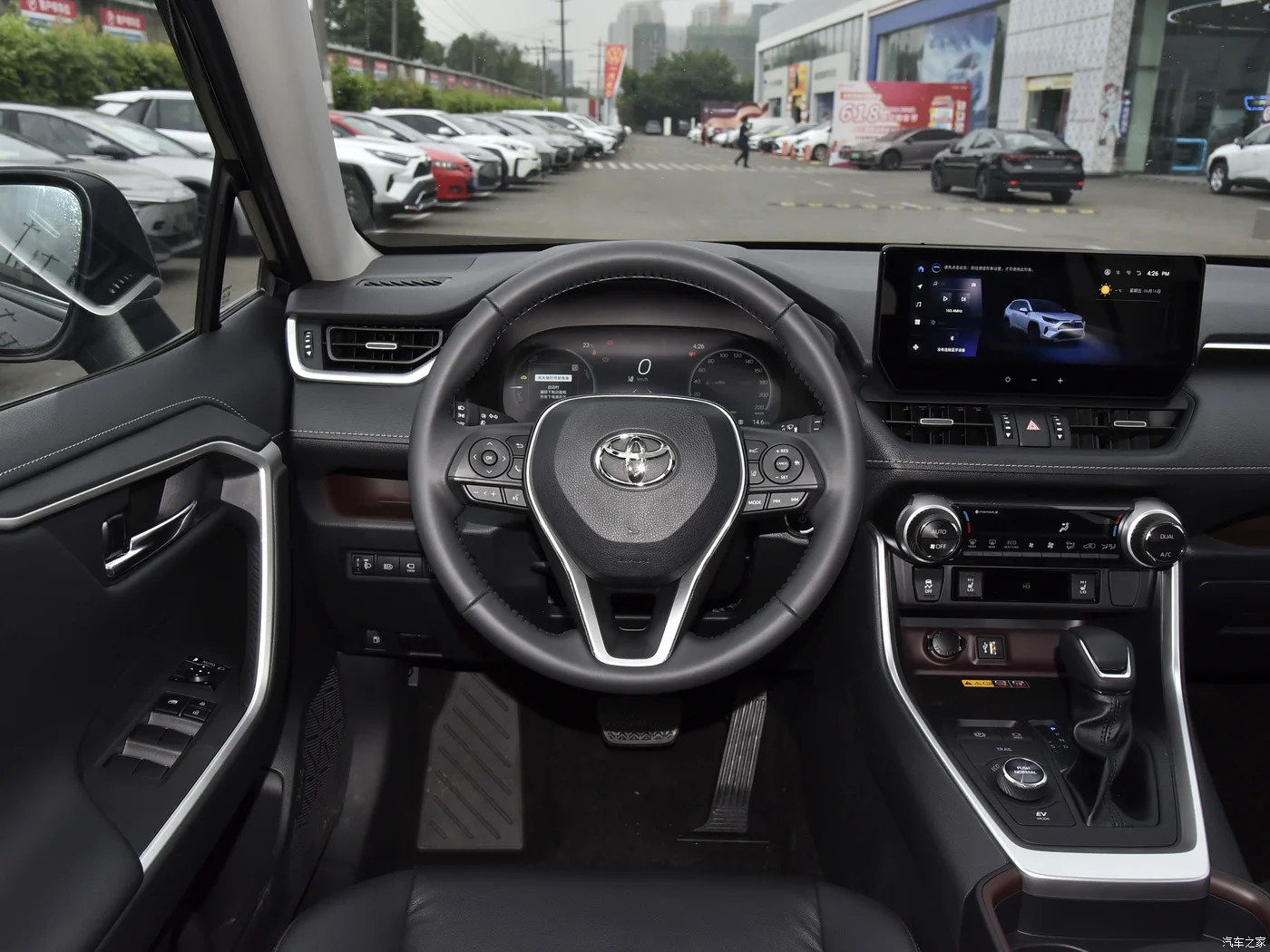
If you work in the used car trade, understanding how to calculate landed cost on used Toyotas is essential for pricing, profit control, inventory planning, and dealer margin protection. Whether you are building a retail listing, evaluating wholesale stock, or comparing auction purchases, a clear dealer margin guide helps you determine the true cost of each unit and the realistic gross profit potential.
This guide explains the meaning of landed cost, how to estimate it for used Toyota vehicles, what factors affect dealer margin, and how to build a pricing structure that supports healthy resale performance. The information below is designed for use on blog pages, category pages, industry pages, and SEO landing pages. It is written in clear English, uses industry-relevant terms, and includes structured tables for fast reference.
Landed cost is the total amount a dealer spends to acquire a vehicle and prepare it for sale. In the used Toyota market, landed cost goes beyond the auction hammer price or trade-in acquisition value. It includes transportation, inspection, reconditioning, documentation, auction fees, title processing, and any other expenses required to make the car retail-ready.
In simple terms, landed cost answers one key question: How much does this used Toyota really cost me before I can sell it? This number is the foundation of accurate pricing and margin calculation. Without it, dealers risk underpricing inventory, overestimating profit, or tying up capital in low-return stock.
Used Toyotas are widely considered strong inventory for dealers because they often combine reliability, broad market demand, fuel efficiency, and strong resale retention. Popular models such as the Corolla, Camry, RAV4, Highlander, Tacoma, and Prius tend to attract consistent buyer interest in both retail and wholesale environments.
Dealers often favor Toyotas because they typically show stable market pricing, lower-than-average depreciation compared to many competitors, and broad appeal across budget-conscious buyers, commuters, families, and fleet purchasers. These characteristics can support cleaner turn rates and more predictable margin performance when acquisition cost is controlled.
| Factor | Dealer Benefit |
|---|---|
| Strong brand reputation | Higher consumer trust and easier retail conversion |
| Reliable drivetrains | Lower perceived risk for buyers and fewer comeback concerns |
| Wide model range | Multiple segments, from compact sedans to SUVs and trucks |
| Good resale value | More predictable gross profit opportunities |
| High parts availability | Efficient reconditioning and maintenance support |
| Strong market demand | Faster inventory movement in many regions |
Before calculating landed cost, dealers should distinguish between gross margin and net margin. These two metrics are related, but they are not the same.
Gross margin is the difference between the retail selling price and the landed cost. It shows the immediate profit potential before broader overhead costs.
Net margin accounts for all business expenses, including overhead, marketing, payroll allocation, lot fees, financing costs, and taxes where applicable. Net margin is the true bottom-line return.
| Metric | Definition | Formula |
|---|---|---|
| Landed Cost | Total cost to acquire and prepare the vehicle | Purchase Price + Fees + Recon + Transport + Admin Costs |
| Gross Margin | Profit before overhead expenses | Selling Price - Landed Cost |
| Net Margin | Profit after all operating costs | Gross Profit - Operating Expenses |
To calculate landed cost accurately, add all acquisition and preparation expenses associated with a specific used Toyota unit. The formula is straightforward:
Landed Cost = Acquisition Price + Buyer Fees + Transport + Reconditioning + Inspection + Title/Documentation + Miscellaneous Costs
The exact components vary depending on how the vehicle was acquired. A Toyota purchased at auction may have auction access fees and transport charges. A trade-in may have appraisal, cleanup, and title processing costs. A direct wholesale purchase may include market fees or broker costs. The goal is to capture the full cost base.
| Cost Component | Description | Common Dealer Impact |
|---|---|---|
| Acquisition Price | The price paid for the vehicle | Primary cost base |
| Buyer Fee | Auction or purchase platform fee | Can materially affect low-cost units |
| Transport / Shipping | Moving the vehicle to the dealership | Higher for distant or non-running vehicles |
| Reconditioning | Mechanical, cosmetic, detailing, tires, brakes, and minor repairs | Often the largest variable cost |
| Inspection | Safety, emissions, or pre-sale evaluation | Helps reduce risk and surprises |
| Title and Documentation | Paperwork, registration, title transfer, admin handling | Necessary for legal retail sale |
| Advertising / Prep | Photography, listing preparation, merchandising | Supports retail conversion |
| Miscellaneous | Detail chemicals, fuel, temporary plates, lot movement | Small individually, significant in aggregate |
Below is a practical example to show how dealer margin is built from a real-world cost structure. This example uses a used Toyota Camry purchased through wholesale channels.
| Cost Item | Amount (USD) |
|---|---|
| Purchase Price | $12,500 |
| Buyer Fee | $450 |
| Transportation | $300 |
| Mechanical Reconditioning | $900 |
| Detailing and Cosmetic Prep | $180 |
| Inspection and Admin | $120 |
| Title / Documentation | $90 |
| Total Landed Cost | $14,540 |
If the dealer lists this Camry at $17,900 and closes the sale at that price, the gross margin is:
$17,900 - $14,540 = $3,360 gross profit
That gross figure still does not include dealership overhead, sales commissions, floorplan interest, marketing spend, or other indirect costs. However, it provides a reliable starting point for margin planning.
Many dealers make pricing errors because they only focus on acquisition price and ignore the full cost structure. This can lead to false margin expectations and poor inventory decisions. The most common mistakes include:
Different Toyota models often support different margin profiles based on demand, mileage, trim level, vehicle condition, and local market appetite. While exact pricing varies by region, the table below shows typical dealer considerations by model category.
| Toyota Model Category | Market Demand | Typical Margin Characteristic | Dealer Notes |
|---|---|---|---|
| Corolla / Corolla Hybrid | High | Moderate gross, fast turn | Volume-friendly, budget buyer appeal |
| Camry / Camry Hybrid | High | Moderate-to-strong gross | Popular family sedan with broad resale demand |
| RAV4 / RAV4 Hybrid | Very High | Strong gross potential | One of the most desirable used Toyota categories |
| Highlander | High | Strong gross, higher recon risk | Family SUV segment with solid retail demand |
| Tacoma | Very High | Strong gross, competitive acquisition | Often commands premium wholesale pricing |
| Prius | High | Moderate gross, condition-sensitive | Battery and hybrid checks are important |
| 4Runner | Very High | Strong gross, high retention | Demand often remains strong across mileage bands |
The condition of a used Toyota strongly influences landed cost because the amount required to bring the unit to retail-ready standard can change substantially. Two similar vehicles may have very different profit outcomes depending on history, mileage, wear, and maintenance status.
Reconditioning is one of the most important parts of landed cost because it transforms a vehicle from acquired stock into sale-ready inventory. Reconditioning can include a wide range of services, from basic detailing to major mechanical repair.
A disciplined dealer margin guide should separate recon expenses into categories so pricing teams can assess whether a vehicle still fits the target margin.
| Reconditioning Category | Examples | Cost Impact |
|---|---|---|
| Mechanical | Oil change, brakes, tires, battery, fluids, belts, filters | Often moderate to high |
| Cosmetic | Detailing, paint touch-up, upholstery repair, dent removal | Varies by condition |
| Safety / Compliance | State inspection, emissions testing, windshield repair | Necessary for legal retail sale |
| Presentation | Photo prep, lot polish, tire shine, staging | Supports customer conversion |
| Administrative | Key replacement, temporary plates, paperwork processing | Small but important |
A strong dealer margin strategy balances acquisition discipline with retail positioning. Because used Toyotas are often high-demand vehicles, dealers can sometimes achieve faster turn rates, but strong competition may also raise wholesale prices. The best strategy is to focus on units where acquisition cost, reconditioning, and market demand align well.
Dealers should evaluate three core margin questions before purchasing a used Toyota:
A vehicle with a lower gross profit but a very fast turn can sometimes outperform a higher-gross unit that sits too long. This is especially important in used Toyota inventory, where demand can be strong but stock must still be competitively priced to move.
Many dealerships use a standardized pricing worksheet to compare vehicles consistently. This helps sales managers, buyers, and inventory control teams evaluate landed cost and expected margin in a repeatable format.
| Field | Purpose |
|---|---|
| Year / Make / Model | Identifies the vehicle accurately |
| Trim Level | Affects market value and positioning |
| Mileage | Important for valuation and demand |
| Acquisition Source | Auction, trade-in, wholesale, lease return, etc. |
| Purchase Price | Base acquisition amount |
| Fees | Buyer fees, title fees, admin charges |
| Transport | Shipping or delivery cost |
| Recon Estimate | Expected prep and repair cost |
| Total Landed Cost | Full investment in the unit |
| Target Retail Price | Planned selling price |
| Expected Gross Profit | Retail price minus landed cost |
| Days to Turn Goal | Sales velocity target |
For content optimization, it is useful to include semantically related search terms throughout the page. These terms help search engines understand the topic and can improve ranking relevance for dealership, automotive finance, and used car inventory queries.
A structured margin guide is valuable because it creates consistency in acquisition and pricing decisions. Without a common framework, different staff members may evaluate the same used Toyota very differently. A standard landed cost method improves alignment across purchasing, inventory, and retail teams.
The checklist below can be used as a quick reference before purchasing or listing any used Toyota unit.
| Checklist Item | Yes / No |
|---|---|
| Acquisition price recorded | |
| Buyer or auction fees included | |
| Transport cost estimated | |
| Mechanical recon reviewed | |
| Cosmetic prep included | |
| Title and admin costs added | |
| Inspection or compliance costs included | |
| Target retail price researched | |
| Expected gross margin acceptable | |
| Days-to-turn target realistic |
| Term | Meaning |
|---|---|
| Landed Cost | Total vehicle cost including acquisition and preparation |
| Gross Profit | Difference between retail price and landed cost |
| Reconditioning | Repairs and prep needed to retail the vehicle |
| Floorplan | Inventory financing used by dealers |
| Days to Turn | How long a vehicle stays in inventory before sale |
| Wholesale | Vehicle acquisition or disposal channel used by dealers |
| Retail | Final consumer sale price |
| Markup | Amount added above cost |
Calculating landed cost on used Toyotas is one of the most important steps in dealer margin planning. When acquisition price, fees, transport, recon, and admin expenses are fully included, dealers gain a true view of unit profitability. That makes it easier to choose the right inventory, set competitive pricing, and protect gross margin in a crowded market.
A well-structured dealer margin guide is not only useful for operations and pricing teams, but also valuable for SEO-driven content pages because it addresses a commercially relevant search intent. By combining clear definitions, practical formulas, model-based insights, and organized tables, this topic can support blog articles, category introductions, and industry resource pages that are built for both readers and search engines.
For dealers and automotive businesses, the key is simple: know your full cost, understand your market, and price with confidence. That is the foundation of profitable used Toyota inventory management.
```
This website uses cookies to ensure you get the best experience on our website.



 Phone
Phone
Comment
(0)