

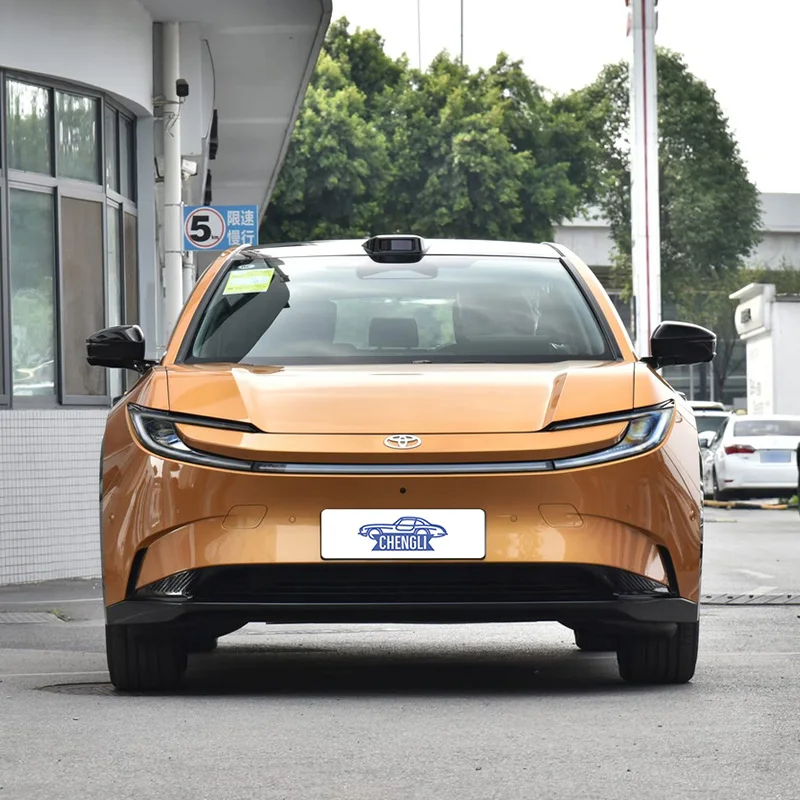
High-mileage used Toyotas continue to attract car buyers, fleet managers, and budget-conscious drivers because of one major reputation:
Toyota vehicles are known for durability, predictable maintenance, and long-term value retention. But when is a high-mileage used Toyota still a smart buy?
The answer depends on more than the odometer reading alone. A Toyota with 120,000 miles may be a better purchase than another car with 70,000 miles if it has a clean service history,
strong inspection results, and signs of careful ownership. On the other hand, a neglected Toyota with 180,000 miles may become expensive quickly.
This guide explains how to evaluate high-mileage used Toyotas, what “high mileage” really means, which mechanical systems matter most,
and how to determine whether a used Toyota still offers strong value. The goal is to help readers make informed buying decisions based on condition,
maintenance records, and total cost of ownership rather than mileage alone.
In the used car market, “high mileage” usually refers to a vehicle with significantly more than average annual driving distance on the odometer.
A typical driver covers about 12,000 to 15,000 miles per year. Using that benchmark, a 5-year-old vehicle above 75,000 miles or a 10-year-old vehicle above 150,000 miles
may be considered high mileage. For Toyota vehicles, however, the label “high mileage” does not automatically mean “bad purchase.”
Toyota engineering and strong maintenance history often allow these vehicles to remain dependable far beyond the point where other brands may begin to show major wear.
The definition of high mileage is flexible and depends on model, maintenance, usage type, and service quality. A highway-driven Toyota with 160,000 miles can sometimes be in better condition
than a city-driven Toyota with 90,000 miles. Short trips, stop-and-go traffic, poor oil change intervals, and delayed repairs can cause more strain than the odometer suggests.
Therefore, the smart way to evaluate any high-mileage used Toyota is to look at the vehicle’s overall condition, not mileage in isolation.
| Vehicle Age | Typical Mileage Range | Market Interpretation |
|---|---|---|
| 3–5 years | 36,000–75,000 miles | Low to moderate mileage |
| 5–8 years | 60,000–120,000 miles | Moderate to high mileage |
| 8–12 years | 100,000–180,000 miles | High mileage |
| 12+ years | 150,000+ miles | Very high mileage |
Toyota vehicles have a long-standing reputation for long service life, consistent parts availability, and relatively low ownership costs.
This is one reason high-mileage used Toyotas often remain in demand even after crossing 100,000 or 150,000 miles. Buyers searching for value frequently choose Toyota because
the brand is associated with practical engineering, accessible repairs, and dependable day-to-day performance.
In many segments, a high-mileage Toyota can offer more trust than a lower-mileage vehicle from a brand with weaker reliability history.
This matters especially for commuters, students, first-time car owners, delivery drivers, and families who need a vehicle that starts reliably and does not require frequent unplanned repairs.
When properly maintained, many Toyota engines and transmissions can continue functioning well past 200,000 miles, making them a sensible choice in the used car marketplace.
There are several practical advantages to choosing a high-mileage used Toyota. The first and most obvious is lower purchase price.
Depreciation is usually steepest during the first years of ownership, so a used Toyota with significant mileage can be dramatically more affordable than a newer model.
This lower entry cost may make it easier for buyers to get into a higher trim level, a safer vehicle class, or a better-equipped model without exceeding their budget.
Another advantage is predictable maintenance. Toyota vehicles are widely supported in the aftermarket and by independent repair shops,
which can keep maintenance costs manageable. Replacement parts are often easy to source, and many technicians are familiar with common Toyota platforms.
That combination of affordability and familiarity can make ownership less stressful than with some other used brands.
Fuel economy is also a consideration. Many Toyota sedans, compact SUVs, and hybrid models are designed to remain efficient over long service lives.
A high-mileage used Toyota may still provide strong MPG numbers, helping reduce daily running costs. For buyers focused on long-term value,
this can be a major reason to choose an older Toyota with higher mileage rather than a newer, less proven alternative.
| Benefit | Why It Matters | Buyer Impact |
|---|---|---|
| Lower purchase price | High mileage usually reduces market value | More affordable entry point |
| Proven durability | Toyota is known for long service life | Higher confidence in used purchase |
| Accessible maintenance | Parts and labor are often widely available | Potentially lower repair costs |
| Strong fuel efficiency | Many Toyota models remain economical over time | Reduced long-term operating expenses |
| Good resale value | Toyota vehicles often retain value well | Better future trade-in potential |
A high-mileage used Toyota is still a smart buy when the vehicle shows evidence of consistent maintenance, healthy mechanical condition,
and realistic ownership costs. The best candidates often have a documented service history showing regular oil changes, fluid replacement, brake service,
and timely repair of wear items. A clean title, accident-free history, and passing inspection report further strengthen the case.
It is also a smart buy when the vehicle’s price accurately reflects its condition. Mileage should lower the price, but not so severely that the vehicle becomes a “too good to be true” deal.
If the price is far below market average, buyers should investigate hidden issues such as transmission problems, frame damage, warning lights, neglected maintenance, or prior flood exposure.
A smart purchase is one where the vehicle’s price, condition, and expected repair needs are all aligned.
Another strong sign is consistency in wear. If the interior, engine bay, suspension, and exterior all appear to match the mileage and age,
the car may have been used gently and serviced regularly. On the other hand, unusually worn controls, broken trim, oil leaks, or rough shifting can indicate that the odometer does not tell the full story.
A high-mileage Toyota is often a better buy when it “feels” well cared for in every detail.
High mileage is not automatically a deal-breaker, but there are situations where the risk outweighs the value. A Toyota may not be a smart buy if it lacks maintenance records,
has multiple warning lights, or shows signs of major drivetrain issues. Cars that have been heavily modified, neglected, or driven in harsh conditions without proper service can become costly even if the brand is known for reliability.
It is also risky when the vehicle has repeated accident history, frame damage, or evidence of water intrusion. High-mileage vehicles are already more likely to need wear-item replacement,
so buyers should be especially cautious if the car also shows rust, suspension noise, coolant leaks, transmission slipping, or powertrain hesitation.
In these cases, the cost of repairs may quickly erase any purchase-price savings.
Buyers should be careful with vehicles that were used for rideshare work, delivery services, heavy commuting, or towing beyond their intended capacity.
Mileage accumulated under severe use can shorten the life of critical systems. Even a Toyota with a strong reputation can become an expensive ownership decision if the car was pushed hard without proper maintenance.
Before buying any high-mileage used Toyota, it is essential to inspect the major mechanical systems. Mileage affects different components in different ways,
and some wear items become more important as the odometer rises. A detailed inspection can reveal whether the car still has useful life left or whether major repairs are approaching.
| System | What to Check | Common Warning Signs |
|---|---|---|
| Engine | Oil leaks, noise, smoke, idle quality | Ticking, rough idle, blue exhaust smoke |
| Transmission | Shift quality, fluid condition, delay in engagement | Slipping, harsh shifts, hesitation |
| Suspension | Shocks, struts, bushings, control arms | Clunking, bouncing, uneven tire wear |
| Brakes | Pad thickness, rotor wear, brake fluid condition | Squealing, vibration, soft pedal |
| Cooling System | Radiator, hoses, water pump, coolant level | Overheating, coolant smell, puddles |
| Steering | Play in wheel, alignment, power assist | Pulling, stiffness, vibration |
| Electrical | Battery, alternator, sensors, dashboard lights | Starting problems, warning lights |
| Body/Frame | Rust, collision repair, undercarriage condition | Corrosion, poor panel alignment |
One of the most important principles in buying a high-mileage used Toyota is that maintenance history often matters more than mileage.
A vehicle that has received regular oil changes, transmission service, brake work, and coolant replacement can remain dependable well past 150,000 miles.
By contrast, a lower-mileage Toyota with poor maintenance may have hidden wear and upcoming repair costs.
Service records help buyers understand how the previous owner treated the vehicle. Consistent dealership or independent shop records are ideal,
but even receipts for oil changes, tires, batteries, and routine inspections can be useful. Documentation provides evidence that the car was not ignored.
It can also help predict future maintenance needs, especially if major services such as spark plugs, belts, or fluid flushes were already completed.
If records are missing, buyers should be more cautious. No records do not always mean the vehicle was neglected, but it does make the risk harder to evaluate.
In that situation, a professional pre-purchase inspection becomes even more important. The inspection should focus on leaks, fluid condition, engine performance,
drivetrain behavior, and chassis wear. The more mileage a vehicle has, the more valuable a careful inspection becomes.
As mileage increases, some maintenance items become more likely. Buyers should budget for normal wear, even on a reliable Toyota.
This is not a sign that the vehicle is a poor buy; it is simply part of owning a higher-mileage car. Understanding common maintenance expectations helps prevent surprises after purchase.
| Mileage Range | Common Maintenance Needs | Ownership Note |
|---|---|---|
| 60,000–90,000 miles | Brake service, tires, fluids, filters | Moderate upkeep |
| 90,000–120,000 miles | Spark plugs, coolant service, suspension wear items | More frequent inspection needed |
| 120,000–150,000 miles | Bushings, belts, water pump, mounts, sensors | Wear-related repairs become more likely |
| 150,000+ miles | Transmission attention, seals, major cooling components | Maintenance budgeting is essential |
To determine whether a high-mileage used Toyota is a smart buy, compare the asking price with the car’s age, mileage, condition, and expected repairs.
A vehicle with very high mileage should be priced with enough room to cover future maintenance. If the current price is close to the cost of a lower-mileage alternative,
the high-mileage car may not offer enough value.
Buyers should also compare the Toyota to similar vehicles in the same model year and trim level. Market value is influenced by options, ownership history,
demand, fuel economy, drivetrain type, and overall condition. A smart buy usually has a balanced relationship between price and risk.
If the vehicle looks clean, drives well, and has proof of service, a premium price may still be reasonable. If there are signs of neglect, the price should be discounted accordingly.
In many cases, the best value is found in vehicles that sit in the middle of the high-mileage range rather than the extreme top end.
For example, a Toyota with 110,000 to 140,000 miles and a strong record may offer a sweet spot between affordability and remaining useful life.
That said, some exceptionally maintained vehicles with higher mileage can still be smart purchases if inspection results are strong.
High-mileage used Toyotas are often best for drivers who need reliable transportation at a lower cost. They can be ideal for commuting, second-car use,
student transportation, local business use, and budget-focused family driving. Because they are commonly reliable and affordable to maintain,
they can also be excellent for buyers who prioritize function over novelty.
These vehicles may be especially suitable for people who drive consistently and want to maximize value from each month of ownership.
If the plan is to keep the vehicle for several years and treat it as dependable transportation rather than a luxury purchase,
a high-mileage Toyota can be a practical and sensible choice. Many buyers prefer this approach because it reduces depreciation pressure and lowers upfront spending.
Use the following checklist to evaluate whether a high-mileage used Toyota is still a smart buy:
| Checklist Item | What to Look For | Why It Matters |
|---|---|---|
| Service records | Regular oil changes and maintenance receipts | Shows responsible ownership |
| Test drive | Smooth shifting, stable braking, normal engine behavior | Reveals hidden drivability issues |
| Pre-purchase inspection | Professional mechanical review | Identifies major repair risks |
| Title history | Clean title, no flood or salvage issues | Protects against serious hidden damage |
| Underbody condition | Rust, leaks, and frame integrity | Important for long-term durability |
| Warning lights | No persistent dashboard alerts | Indicates healthy systems |
| Tire and brake wear | Even wear patterns and usable remaining life | Helps estimate near-term costs |
One common misconception is that any car over 100,000 miles is automatically unreliable. In reality, mileage alone does not determine condition.
A well-maintained Toyota can remain a practical, dependable vehicle for many more years after crossing that threshold. Another misconception is that lower mileage always means better value.
A low-mileage car with poor maintenance or damage history may be more expensive in the long run than a higher-mileage Toyota with a solid record.
Some buyers also assume that all repairs become expensive after a certain mileage. While wear items do become more common, Toyota ownership often remains relatively manageable compared with many competitors.
The key is preparing for normal maintenance and avoiding vehicles with major hidden issues. High mileage should be treated as a factor to evaluate, not a reason to reject the vehicle automatically.
High-mileage used Toyotas can still be smart buys when they are backed by strong maintenance history, clean inspection results, and sensible pricing.
Buyers should focus on engine health, transmission behavior, suspension wear, rust, title status, and service documentation. A Toyota with high mileage is often a good choice
if the car was maintained regularly, drives smoothly, and still has room left before major repairs become likely.
The best high-mileage Toyota is not necessarily the one with the lowest mileage. It is the one with the best combination of condition, history, and value.
That is why smart buyers evaluate the whole vehicle, not just the odometer. By understanding the signs of a well-kept high-mileage Toyota,
consumers can make confident decisions and potentially secure years of dependable transportation at a lower purchase price.
| Factor | Strong Sign | Red Flag |
|---|---|---|
| Mileage | High but reasonable for age | Extreme mileage with low price |
| Maintenance | Regular documented service | Missing or inconsistent records |
| Driving feel | Smooth acceleration and shifting | Jerking, slipping, hesitation |
| Body condition | Clean, straight, rust-free | Rust, dents, collision evidence |
| Ownership costs | Predictable and manageable | Repeated repairs or warning lights |
In conclusion, high-mileage used Toyotas are still a smart buy when they are carefully selected, properly inspected, and priced according to condition.
For many buyers, they offer one of the best combinations of affordability, reliability, and long-term value in the used car market.
The smartest purchase is not simply the lowest-mileage option, but the Toyota that offers the strongest evidence of responsible ownership and the lowest realistic total cost of ownership.
```
This website uses cookies to ensure you get the best experience on our website.



 Phone
Phone
Comment
(0)