

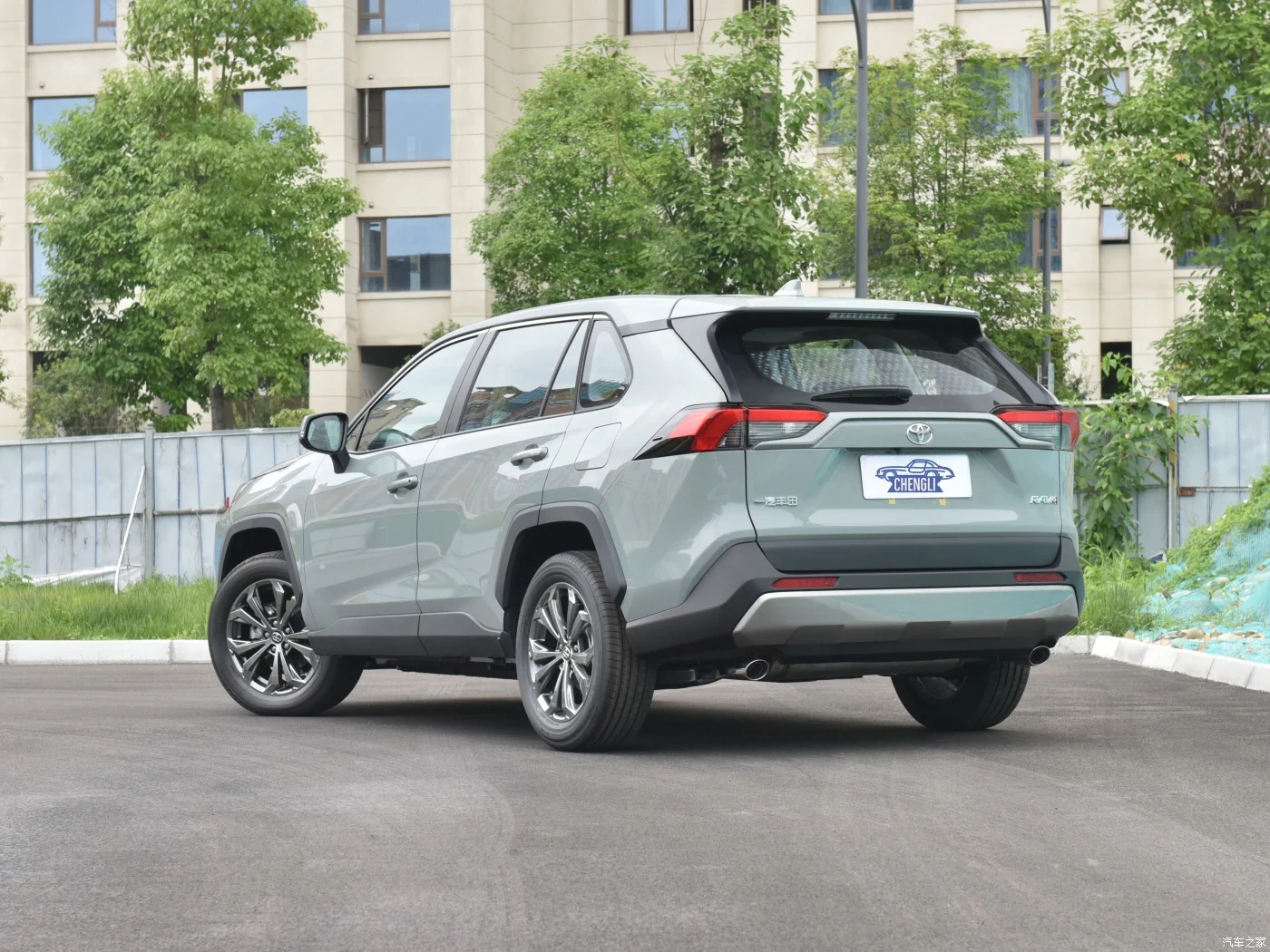
For dealers moving Toyota used cars across regions, shipping cost control is not just a logistics goal. It is a direct way to improve inventory turnover, protect margins, and strengthen pricing competitiveness. Because Toyota used cars are widely traded, consistently in demand, and often shipped in volume, even small savings in transportation can have a meaningful impact on profitability. The key is to understand the factors that shape shipping rates, the strategies that reduce unnecessary expenses, and the operational practices that make vehicle transport more efficient.
This guide explains how dealers can lower shipping costs on Toyota used cars using industry-standard methods only. It covers common cost drivers, transport options, load planning, seasonal pricing, route efficiency, vehicle preparation, and other practical tactics. The content is written for SEO use on dealership blogs, category pages, logistics resource pages, and industry landing pages. It is designed to be useful, search-friendly, and easy to insert into the middle of an HTML page.
Toyota used cars typically appeal to a broad market because of their reputation for reliability, strong resale value, and wide model variety. That demand helps dealers move inventory quickly, but it also means transportation decisions can affect margins at scale. When a dealer ships multiple used Toyota vehicles every month, the difference between an efficient shipping process and a poorly planned one can be significant.
Shipping costs affect more than the final transport bill. They influence acquisition decisions, pricing strategy, stock location, delivery timelines, customer satisfaction, and cash flow. If a dealer can reduce shipping costs on Toyota used cars, the dealership can often offer more competitive retail pricing, hold more profitable inventory, and improve the overall buying experience.
To lower shipping costs, dealers first need to understand what creates them. Auto transport pricing is usually determined by a combination of distance, vehicle size, transport type, lane demand, fuel rates, seasonality, and pickup or delivery conditions. Toyota used cars may be priced differently depending on model, condition, and whether the shipment is part of a single-unit move or a multi-car load.
| Cost Driver | How It Affects Shipping | Typical Cost Impact |
|---|---|---|
| Distance | Longer routes increase fuel use, driver time, and operational expense | High |
| Vehicle Size | Larger Toyota models may take more trailer space and weight capacity | Medium to High |
| Transport Type | Open transport is usually cheaper than enclosed transport | High |
| Route Popularity | Common lanes often cost less than low-demand or remote lanes | Medium |
| Seasonality | Peak shipping seasons may increase rates due to carrier demand | High |
| Pickup and Delivery Flexibility | Flexible timing can help carriers optimize loads and reduce costs | Medium |
| Vehicle Condition | Non-running or modified vehicles may require special handling | Medium to High |
| Fuel Prices | Carrier operating costs often reflect fuel market changes | Medium |
One of the easiest ways to lower shipping costs on Toyota used cars is to select the most appropriate transport type. In most cases, open auto transport is the most cost-effective option for used vehicles that do not require special protection. Enclosed transport generally costs more because it provides added shielding from weather and road debris, but it is usually reserved for higher-value or specialty vehicles.
Since most used Toyota vehicles are standard retail inventory rather than luxury or collector stock, open transport is often the most practical choice. Dealers should evaluate the actual condition, market positioning, and delivery requirement of each vehicle before choosing a more expensive shipping method.
| Transport Type | Best Use Case | Relative Cost | Cost-Saving Benefit |
|---|---|---|---|
| Open Transport | Standard used Toyota cars, dealer inventory, high-volume shipments | Low | Lowest common transport rate |
| Enclosed Transport | Premium, rare, classic, or highly sensitive vehicles | High | Better protection but more expensive |
| Single-Vehicle Transport | Urgent deliveries, special pickup locations, unique routes | Medium to High | More direct but less efficient for volume |
| Multi-Vehicle Transport | Dealer stock movement, auction-to-lot shipping, bulk relocation | Lower per unit | Spreads transport cost across several cars |
Dealers can often lower shipping costs by coordinating Toyota used cars into multi-vehicle loads. Carriers usually price transport more efficiently when they can move several units on one route rather than making repeated single-car trips. This is especially useful for dealerships handling auction purchases, trade-ins, wholesale inventory, or inter-store transfers.
Load efficiency depends on timing and logistics coordination. If a dealer can group vehicles by destination, route, or pickup window, carriers can optimize trailer space and reduce per-unit shipping expense. This strategy is one of the most effective methods for lowering Toyota used car shipping costs without sacrificing delivery quality.
Flexibility is one of the strongest tools for reducing shipping costs. When a dealer gives carriers a broad pickup or delivery window, the carrier has more freedom to build efficient routes and consolidate loads. This often results in lower pricing than urgent or same-day transport requests.
Toyota used cars that are not tied to immediate retail deadlines can often be shipped with flexible scheduling. This gives the carrier time to align the shipment with other nearby pickups or drop-offs. In many cases, a wider time window can reduce the rate significantly, especially on longer routes or in busy shipping lanes.
| Scheduling Style | Carrier Flexibility | Expected Price Effect |
|---|---|---|
| Immediate Pickup | Low | Often higher cost |
| 1–3 Day Window | Moderate | Moderate cost |
| Flexible Week-Long Window | High | Usually lower cost |
| Open-Ended Scheduling | Very High | Best chance for savings |
Route popularity can influence transport pricing. Common shipping lanes usually have more carrier activity, which can lead to better availability and more competitive rates. Less common routes, remote areas, or hard-to-access destinations may cost more because carriers have fewer opportunities to backhaul or combine jobs.
Dealers can reduce shipping costs by understanding which routes are frequently serviced and which destinations are more expensive. When possible, it may be more economical to move inventory through a major metro area or central transport corridor before final delivery. Even when direct shipping is necessary, awareness of route demand helps dealers anticipate rate variations.
Vehicle preparation can affect both shipping cost and shipping efficiency. Toyota used cars should be ready for transport in a condition that minimizes delays, inspection issues, and carrier handling complications. A vehicle that is difficult to load, has a dead battery, leaks fluids, or cannot roll freely may require extra labor and therefore increase the transport cost.
Proper preparation also helps avoid surcharge risks. Dealerships should ensure each vehicle is clean enough for inspection, accessible for loading, and free of items that may interfere with transport. If a car is ready to move quickly, the carrier can complete the job with less time on-site, which supports cost control.
Many dealers assume that better protection always means better value, but in used car logistics, that is not always true. For Toyota used cars, the shipment choice should match the vehicle’s market value, customer expectations, and the actual risk profile of the route. Open shipping is usually sufficient for standard used inventory and is widely accepted across the auto transport industry.
Enclosed transport may be appropriate for rare trims, collector-level units, or vehicles that need enhanced protection. However, if the car is a standard used Toyota sedan, SUV, or crossover, the added cost may not generate a meaningful return. Choosing the simplest suitable transport method is one of the most direct ways to lower shipping costs.
| Decision Factor | Open Transport | Enclosed Transport |
|---|---|---|
| Typical Use | Mainstream used inventory | Premium or specialty inventory |
| Cost | Lower | Higher |
| Protection Level | Standard | Enhanced |
| Availability | Usually broad | More limited |
| Best For | Cost-sensitive dealer shipments | High-value or sensitive units |
Dealers can lower shipping costs when inventory planning is aligned with transport planning. Rather than buying or transferring vehicles one at a time, a dealership can forecast demand, anticipate unit movement, and group shipping needs in advance. This reduces the chance of expedited shipments, which often carry premium pricing.
Forecasting is especially valuable for Toyota used cars because demand is often predictable by body style, mileage, trim, season, and market segment. If a dealer knows which models are likely to move quickly, they can plan arrivals and transfers in a way that reduces storage time and prevents rush shipping. Better planning usually means better pricing.
Shipping costs often rise and fall throughout the year. Seasonal demand, weather conditions, fuel prices, and market activity can all affect the price of transporting Toyota used cars. For example, peak moving seasons or periods of high auction activity may limit carrier availability and drive up rates.
Dealers that are not under immediate time pressure may benefit from shipping during lower-demand periods. Timing shipments strategically can help reduce rates, particularly on common lanes where carriers have multiple options. Although dealers cannot control the market, they can control when they release inventory for transport.
Many dealerships maintain multiple locations or networked inventory systems. When Toyota used cars need to be moved between stores, consolidating transfers can reduce overall shipping cost. Instead of arranging separate point-to-point deliveries, dealers can create more efficient movement schedules that match route direction and delivery timing.
Dealer-to-dealer consolidation can also reduce administrative complexity. One organized transfer plan can support better carrier scheduling, fewer deadhead miles, and lower per-unit shipping rates. This is particularly effective when several vehicles are moving in the same direction or from the same origin.
Not every Toyota used car has the same shipping profile. A compact sedan, midsize SUV, full-size pickup, and hybrid crossover may each have different transport implications. Larger vehicles typically occupy more trailer space and may weigh more, which can affect load planning and pricing.
Dealers can lower shipping costs by considering how each unit fits into the carrier’s load structure. A vehicle that is easier to place on a trailer may be priced more favorably than a larger or heavier model. Even within the Toyota lineup, differences in size and configuration can influence shipping economics.
| Vehicle Category | Typical Shipping Profile | Cost Consideration |
|---|---|---|
| Compact Sedan | Easier to load, space-efficient | Usually lower cost |
| Midsize Sedan | Standard trailer fit | Moderate cost |
| Crossover SUV | Moderate size, common in dealer shipments | Moderate to slightly higher cost |
| Large SUV / Pickup | May take more space and weight capacity | Potentially higher cost |
Expedited shipping usually costs more because it requires faster scheduling, fewer route combinations, and tighter carrier coordination. Dealers can often avoid these premium charges by planning Toyota used car movements earlier in the sales or acquisition process.
Whenever possible, inventory should be released for transport before a vehicle becomes urgently needed on the sales lot. Early planning gives the carrier more options and reduces the likelihood of premium surcharges. In many cases, the difference between a standard shipment and a rushed shipment can be substantial.
Lower shipping costs do not always come from finding the absolute cheapest quote. In auto transport, the lowest quote is only useful if the service conditions match the dealer’s needs. A better approach is to compare standard route rates, schedule requirements, transport type, and vehicle condition assumptions.
Dealers should look for pricing consistency, transparent rate components, and clear service scope. A quote that appears low at first may become expensive if it includes hidden fees, limited pickup windows, or extra charges for vehicle condition. The best way to lower shipping costs on Toyota used cars is to compare like-for-like transport scenarios.
A large share of used Toyota inventory moves through auctions, wholesale channels, and dealer exchanges. These channels can create opportunities for lower shipping costs when dealers coordinate transport intelligently. The key is to avoid fragmented logistics and instead build a repeatable shipment workflow.
For example, if several Toyota used cars are purchased from the same auction region, a dealer may be able to bundle their movement into a more efficient shipping cycle. This can lower per-car transport expense and reduce unnecessary back-and-forth coordination. Wholesale logistics becomes more cost-effective when shipment planning is integrated into the acquisition process.
When dealers succeed in lowering shipping costs on Toyota used cars, the benefits extend beyond logistics. Cost savings can improve inventory management, pricing flexibility, and overall dealership performance. The following table summarizes the main advantages.
| Benefit | Description | Dealer Impact |
|---|---|---|
| Higher Margin Retention | Less money spent on transport means more profit per unit | Improved profitability |
| Competitive Pricing | Lower logistics expenses support stronger retail pricing | Better sales appeal |
| Faster Inventory Movement | Efficient logistics helps vehicles reach the lot sooner | Lower holding costs |
| Improved Planning | Shipment coordination becomes easier and more predictable | Operational efficiency |
| Better Cash Flow | Reduced transport expense frees capital for other business needs | Financial flexibility |
The most effective cost-saving strategy is not one single tactic, but a combination of planning, selection, and scheduling decisions. Dealers that consistently lower shipping costs on Toyota used cars usually follow the same core practices: use the right transport type, ship in batches when possible, choose flexible windows, prepare vehicles properly, and plan routes around market conditions.
These best practices are useful for independent dealers, franchise operations, wholesaler networks, auction buyers, and multi-location groups. Because Toyota used cars represent a large and active portion of the used vehicle market, even small improvements in transport efficiency can add up quickly over time.
The table below provides a simple reference for the main shipping specifications and decision points dealers commonly review when arranging transport for Toyota used cars.
| Specification | Common Industry Standard | Why It Matters |
|---|---|---|
| Transport Method | Open or enclosed auto transport | Directly affects shipping price |
| Shipment Type | Single-unit or multi-unit shipping | Impacts per-vehicle cost |
| Pickup Window | Same-day, scheduled, or flexible | More flexibility often lowers cost |
| Delivery Window | Direct or window-based delivery | Helps carrier route efficiency |
| Vehicle Condition | Running or non-running | Non-running units may cost more |
| Route Type | Popular lane or remote lane | Common routes often cost less |
| Season | Peak or off-peak shipping period | Seasonality influences rates |
| Load Size | Individual or consolidated shipment | Larger loads usually improve efficiency |
Lowering shipping costs on Toyota used cars is one of the most practical ways for dealers to improve operational performance and protect profit margins. The best results usually come from a combination of open transport, batch shipping, flexible scheduling, good vehicle preparation, and route-aware planning. Dealers that approach shipping as part of inventory strategy rather than as an isolated expense can often reduce costs while maintaining service quality.
In a competitive used car market, efficiency matters. Toyota used cars move quickly, retain strong demand, and often ship across wide geographic areas. That makes transport optimization especially valuable. By using the industry practices outlined above, dealers can lower shipping costs, improve logistics control, and support a stronger overall dealership business model.
This website uses cookies to ensure you get the best experience on our website.



 Phone
Phone
Comment
(0)