

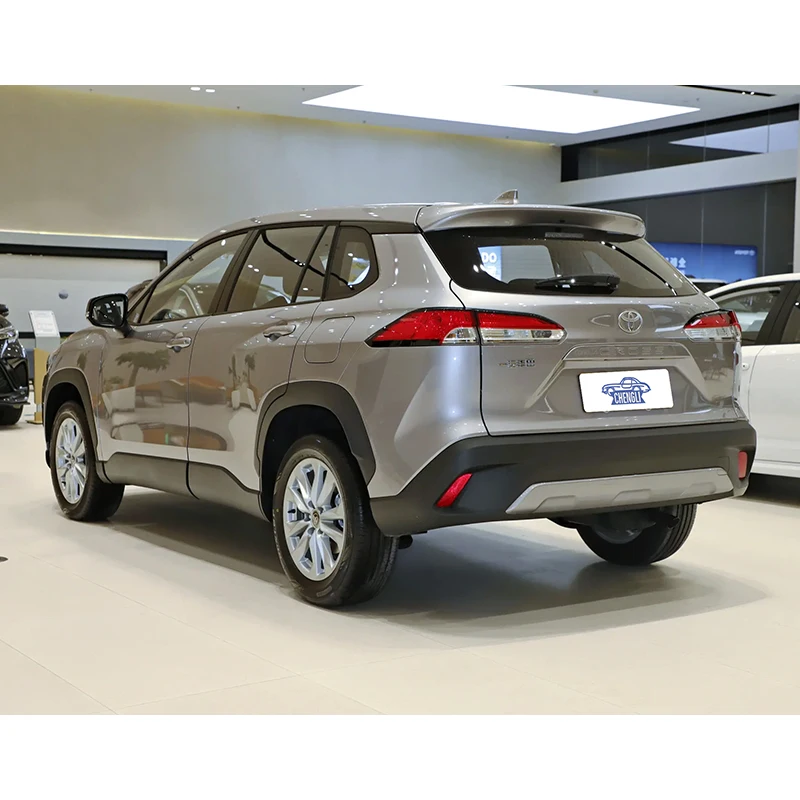
When shoppers compare used Toyota prices, one of the first details they check is mileage. In the used car market, mileage is a major pricing factor because it gives a quick indication of how much wear a vehicle may have experienced over time. For Toyota vehicles, mileage often plays an even more important role because Toyota is widely recognized for durability, long-term dependability, and strong resale value. That combination makes mileage especially important for buyers, sellers, dealerships, and content publishers writing about used Toyota value, Toyota resale value, and high-mileage Toyota vehicles.
This guide explains how mileage affects used Toyota prices, why mileage matters in vehicle valuation, how Toyota models hold value over time, and what buyers should know when comparing lower-mileage and higher-mileage vehicles. It is written for SEO use, industry pages, blog content, and directory pages, with clear structure, keyword-rich sections, and tabular data for easy readability.
Mileage refers to the total number of miles a vehicle has been driven since it was first put into service. In simple terms, the odometer reading helps estimate how much use a car has received. Lower mileage usually suggests less mechanical wear, while higher mileage may indicate more use, more maintenance needs, and a shorter remaining service life for certain components.
In used car valuation, mileage is one of the most important pricing inputs because it directly influences perceived condition, expected repair costs, and future longevity. For Toyota models, mileage is closely watched because many Toyota vehicles are known for lasting well beyond the average life cycle of a car when properly maintained.
Mileage does not work alone. A used Toyota with low mileage but poor maintenance history may be less desirable than a higher-mileage Toyota with detailed service records and careful ownership. Still, mileage remains one of the strongest and most visible indicators in the resale market.
Mileage affects used Toyota prices for several practical reasons:
Toyota vehicles often retain value better than many competitors because of their reputation for reliability, fuel efficiency, and lower ownership costs. However, even within the Toyota brand, mileage can create large price differences between two otherwise similar vehicles. A Toyota Corolla with 30,000 miles will often command a much higher price than a similar Corolla with 120,000 miles, even if both are in good condition.
Resale value is the amount a vehicle can reasonably sell for in the current market. For used Toyota vehicles, resale value is shaped by brand reputation, condition, model popularity, maintenance history, trim level, age, market demand, and mileage. Among these factors, mileage is one of the clearest and easiest to compare.
As mileage rises, resale value typically declines. This happens because buyers expect higher ownership costs and shorter remaining life from a more heavily driven car. Toyota’s strong brand image can slow that depreciation, but it does not eliminate it.
In general, a Toyota with lower mileage:
A Toyota with higher mileage:
The table below provides a general overview of how mileage ranges can influence used Toyota prices and resale potential. Actual pricing depends on model, trim, year, condition, local demand, and maintenance history.
| Mileage Range | General Market Perception | Likely Price Impact | Resale Value Outlook |
|---|---|---|---|
| Under 20,000 miles | Very low usage, often close to like-new condition | Premium pricing | Very strong resale value |
| 20,000 to 50,000 miles | Light to moderate use | High pricing, depending on age and condition | Strong resale value |
| 50,000 to 80,000 miles | Average used-car mileage range | Moderate pricing | Good resale value if maintained well |
| 80,000 to 120,000 miles | Higher mileage, more visible wear potential | Lower pricing | Fair resale value, condition becomes critical |
| Over 120,000 miles | High-mileage vehicle, value depends heavily on service records | Budget-friendly pricing | Lower resale value, but still viable for value-conscious buyers |
Toyota has earned a reputation for long-lasting performance, which is a major reason the brand performs well in used vehicle markets. Buyers frequently search for used Toyota resale value because Toyota models are commonly associated with dependable drivetrains, lower-than-average repair frequency, and broad model popularity.
Several factors help Toyota vehicles hold value:
Because of these advantages, Toyota often experiences slower depreciation than many competing brands. However, mileage still plays a major role in defining final resale price. A Toyota that has been driven heavily may still outperform competitors in value retention, but it will usually sell for less than a similar Toyota with fewer miles.
Mileage is important, but it is not the only thing that affects used Toyota prices. Buyers and appraisers consider the whole vehicle profile. The most important related factors include:
| Factor | How It Affects Used Toyota Value |
|---|---|
| Model | Popular Toyota models often retain value better than less in-demand models. |
| Year | Newer vehicles typically command higher prices, even with similar mileage. |
| Trim level | Higher trims may attract premium pricing if features remain desirable. |
| Condition | Interior, exterior, and mechanical condition can increase or decrease value. |
| Service history | Documented maintenance can improve confidence in high-mileage Toyotas. |
| Accident history | Prior damage can reduce resale value significantly. |
| Location | Local demand and climate can influence price and long-term wear. |
| Ownership pattern | Personal use, fleet use, and lease use may affect buyer perception. |
Low-mileage Toyota vehicles are usually attractive because they often present a stronger combination of condition, durability, and market value. Buyers searching for used Toyota prices frequently prefer lower mileage because it signals fewer miles of wear and a lower probability of immediate repairs.
Low mileage is especially valuable when paired with a clean service record and good cosmetic condition. That combination can make a used Toyota look and feel much closer to a new vehicle while still offering a lower price than buying brand new.
Although high mileage usually lowers resale value, it does not automatically make a Toyota a bad purchase. In fact, many high-mileage Toyota vehicles continue to deliver strong value because the brand is often associated with long service life and dependable performance. For many shoppers, high-mileage Toyota vehicles provide excellent affordability and practical transportation.
High-mileage vehicles are often best evaluated through a combination of mileage, maintenance records, and mechanical inspection. A high-mileage Toyota with full service history may be more desirable than a lower-mileage car with unknown upkeep.
The following table shows a general pricing relationship between mileage and condition. This is not a fixed market formula, but it helps illustrate how mileage and condition work together in used Toyota pricing.
| Condition | Low Mileage | Average Mileage | High Mileage |
|---|---|---|---|
| Excellent | Highest price tier | Above-average pricing | Moderate pricing if maintenance is strong |
| Good | Strong pricing | Market-average pricing | Lower but still competitive pricing |
| Fair | Discounted depending on age | Lower pricing | Budget pricing |
| Poor | Value drops sharply | Very limited value | Heavily discounted or repair-dependent |
Buyers typically compare mileage against the vehicle’s age and maintenance history. A Toyota that is 8 years old with 60,000 miles may be seen very differently from a 4-year-old Toyota with the same mileage. The older vehicle may be considered lightly driven, while the newer vehicle may suggest unusually heavy use.
Common buyer questions include:
These questions matter because mileage alone does not always tell the full story. A Toyota driven mostly on highways may show less wear than one used primarily in stop-and-go city traffic, even at the same mileage.
Not all miles are equal. The type of driving can affect how mileage influences used Toyota prices and resale value.
| Driving Type | General Wear Impact | Common Market Perception |
|---|---|---|
| Highway miles | Often less stressful on brakes and transmission; smoother operating conditions | Viewed more favorably if maintenance is good |
| City miles | More stop-and-go wear on brakes, engine, and transmission | May be viewed as more demanding on the vehicle |
| Mixed driving | Balanced use pattern | Generally acceptable and common in the used market |
For used Toyota pricing, a higher-mileage vehicle with mostly highway miles may be worth more than a lower-mileage car used for heavy city driving. This is one reason why service history and usage pattern matter alongside mileage.
Different Toyota models can react differently to mileage. Some models are especially associated with long-term value retention, while others may depreciate more quickly due to market trends, body style changes, or changing buyer preferences.
| Toyota Model Type | Mileage Sensitivity | Resale Value Notes |
|---|---|---|
| Compact sedan | High sensitivity to mileage differences | Popular with commuters and budget buyers |
| Midsize sedan | Moderate to high sensitivity | Strong family and daily-driver appeal |
| SUV | Moderate sensitivity | Demand may remain strong across mileage ranges |
| Hybrid model | Moderate sensitivity, depends on battery and service condition | Fuel economy can support stronger resale value |
| Truck | Moderate sensitivity | Work and utility use can influence mileage interpretation |
Mileage is important, but maintenance can reduce the negative impact of higher mileage. Toyota vehicles are often praised for reliability, and that reputation becomes even more valuable when regular oil changes, fluid services, brake maintenance, and scheduled inspections are documented.
A well-maintained high-mileage Toyota may still be desirable because buyers know the vehicle has been cared for. In many cases, maintenance history can help justify a better used Toyota price than mileage alone would suggest.
Important records include:
For SEO and educational content, this point is essential: mileage affects value, but maintenance shapes how strongly mileage affects value.
Buyer confidence is a major part of used vehicle pricing. Low mileage can make a Toyota easier to sell because the vehicle appears less risky. Higher mileage may require more explanation, especially if the buyer is unfamiliar with Toyota reliability or long-term maintenance patterns.
Confidence increases when the vehicle:
If a Toyota has high mileage but strong condition, buyers may still see it as a smart purchase. If the mileage is high and the vehicle shows extra wear, confidence drops and price expectations usually fall.
Understanding mileage helps shoppers make better decisions and avoid overpaying. It also helps them compare vehicles more accurately and recognize value in both low-mileage and high-mileage examples.
To support content structure and search visibility, here are simple industry definitions that can be used in blog posts, category pages, and informational pages:
| Term | Definition |
|---|---|
| Used Toyota price | The current market value of a pre-owned Toyota vehicle based on condition, mileage, model, and demand. |
| Resale value | The amount a vehicle can be sold for after previous ownership, influenced by mileage, condition, and market interest. |
| Mileage | The total number of miles a vehicle has traveled, shown on the odometer. |
| High-mileage vehicle | A vehicle with a relatively large number of miles, often priced lower but potentially still reliable if well maintained. |
| Depreciation | The reduction in a vehicle’s value over time due to age, usage, and market factors. |
| Trade-in value | The amount a dealer may offer toward another purchase when accepting the current vehicle as part exchange. |
Mileage is one of the most important factors affecting used Toyota prices and Toyota resale value. Lower mileage usually leads to stronger pricing, higher buyer confidence, and better long-term value retention. Higher mileage usually lowers price, but Toyota’s reputation for reliability means that well-maintained, high-mileage vehicles can still offer excellent value.
For buyers, the best approach is to evaluate mileage together with maintenance history, condition, age, driving type, and model demand. For sellers and content creators, this topic offers strong SEO potential because it combines high-intent keywords such as used Toyota prices, resale value, mileage affects used Toyota prices, high-mileage Toyota, and used Toyota value.
Whether you are building an industry page, a blog article, a car valuation guide, or a directory content block, this topic can help attract search traffic from users looking for practical, trustworthy information about Toyota value retention, mileage impact, and used car market pricing.
This website uses cookies to ensure you get the best experience on our website.



 Phone
Phone
Comment
(0)