

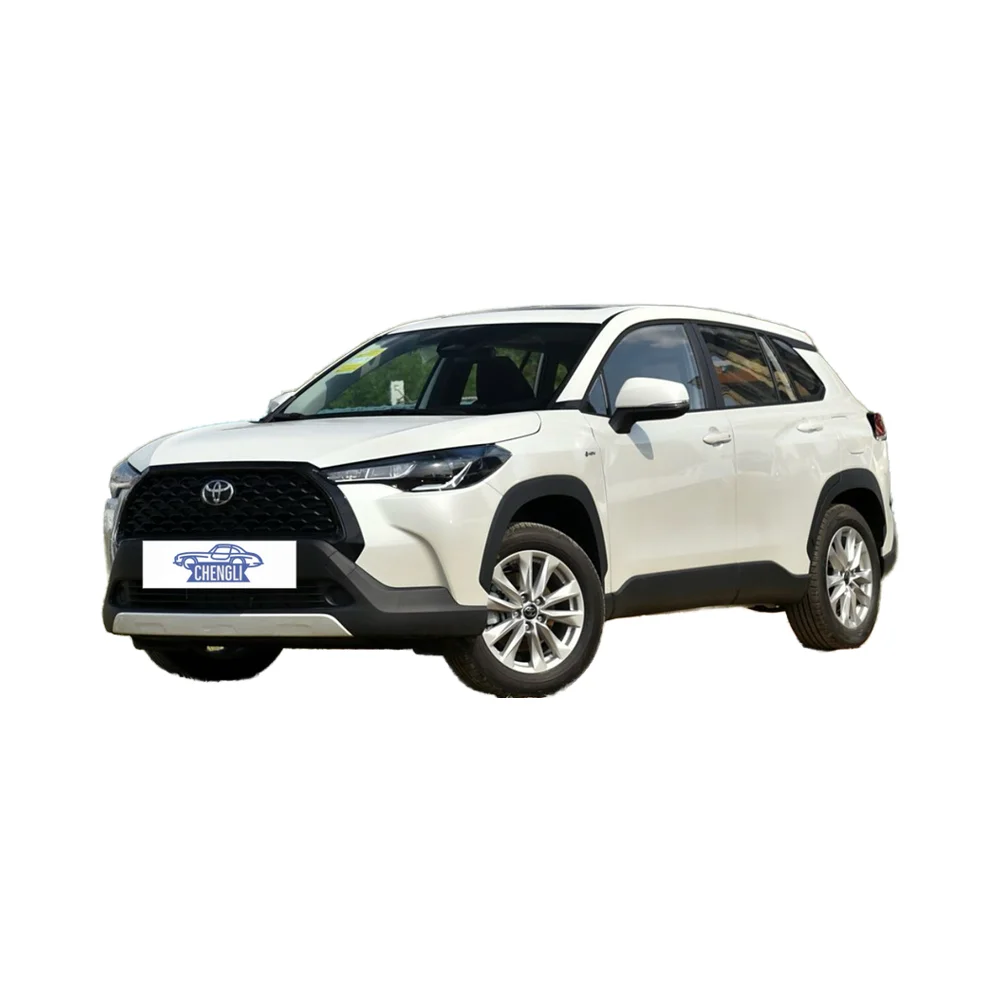
Importing used Toyota cars to the UAE is a high-demand business opportunity for dealers, exporters,
wholesalers, and automotive buyers who want reliable, fuel-efficient, and resale-friendly vehicles.
Toyota remains one of the most searched car brands in the UAE because of its strong reputation for
durability, low maintenance costs, wide parts availability, and excellent market value retention.
For dealers looking to expand inventory or serve customers with a trusted Japanese vehicle, learning
how to import used Toyota cars to the UAE is essential.
This guide provides a complete dealer checklist, key import requirements, common specifications,
compliance notes, and practical steps for importing used Toyota cars into the UAE market. It is designed
for SEO-friendly publishing, directory pages, industry pages, and blog content. All information is
general and industry-focused, with no specific company recommendations.
The UAE used car market is highly competitive, and Toyota vehicles consistently perform well across
multiple segments, including sedans, SUVs, pickups, hybrid models, and family vehicles. Dealers often
import used Toyota cars because customer demand is stable and the brand has a strong reputation for
reliability in hot climates, urban driving, and long-distance use.
Used Toyota cars are especially attractive in the UAE because buyers often look for vehicles with proven
performance, affordable servicing, and easy access to spare parts. In addition, Toyota models generally
offer strong resale value, which makes them appealing to retail customers and fleet buyers alike. For
importers, this means lower risk, broader target demand, and better inventory turnover.
Before importing used Toyota cars into the UAE, dealers should follow a structured checklist to reduce
delays, avoid compliance issues, and improve profitability. The checklist below covers sourcing, inspection,
documentation, shipping, customs, and registration readiness.
| Checklist Stage | Key Actions | Purpose |
|---|---|---|
| Market Research | Study UAE demand, model popularity, price ranges, and buyer preferences. | Ensures the imported Toyota models match local market demand. |
| Vehicle Sourcing | Choose used Toyota cars with clear history, verified mileage, and export-ready condition. | Reduces the risk of poor inventory quality. |
| Pre-Shipment Inspection | Check exterior, interior, engine, transmission, mileage, tires, electronics, and safety systems. | Confirms vehicle condition before shipping. |
| Document Verification | Collect title, export certificate, inspection report, bill of sale, and shipping documents. | Supports customs clearance and registration. |
| Compliance Review | Confirm UAE import rules, age limits, GCC requirements, and local registration standards. | Prevents rejection at customs or registration stage. |
| Shipping Arrangement | Select RoRo, container shipping, or other export method based on vehicle value and volume. | Balances cost, protection, and delivery timing. |
| Customs Clearance | Pay duties, submit documents, and complete port procedures. | Allows legal entry into the UAE market. |
| Post-Arrival Inspection | Verify condition after arrival and check for transit damage. | Protects dealer inventory and warranty expectations. |
| Registration Prep | Prepare the car for inspection, insurance, and registration in the UAE. | Ensures the vehicle can be sold or delivered promptly. |
The UAE market usually responds well to Toyota models that offer practicality, fuel efficiency, and strong
brand recognition. Dealers should prioritize models with proven demand and broad appeal. While buyer
preferences vary by emirate and segment, the following Toyota model categories are commonly searched in
used car import markets.
| Model Category | Common Examples | Typical Buyer Interest | Market Notes |
|---|---|---|---|
| Sedan | Camry, Corolla, Yaris | Daily commuting, family use, taxi/fleet use | High demand due to fuel efficiency and easy maintenance. |
| SUV | Land Cruiser, Prado, RAV4, Fortuner | Family travel, off-road use, premium resale | Strong appeal in the Gulf region, especially for larger households. |
| Pickup | Hilux | Commercial use, construction, fleet operations | Durable and widely used in business applications. |
| Hybrid | Prius, Camry Hybrid, Corolla Hybrid | Fuel savings, eco-conscious buyers | Growing interest as efficiency becomes more important. |
| MPV / Van | Innova, Hiace | Transport services, group travel, logistics | Useful for commercial and family transport segments. |
Dealers importing used Toyota cars to the UAE should understand general import and registration principles.
While exact rules may change, the market typically requires that the car meets roadworthiness and
documentation standards. Vehicles should not have structural issues, flood damage, or severe accident
history if they are intended for normal retail sale.
Importers should verify whether the vehicle is eligible for registration in the intended emirate and
whether the model meets local technical requirements. For example, some buyers prefer GCC-spec vehicles,
but non-GCC imports can still be attractive if they are in excellent condition and compliant with local
standards. Dealers should always confirm the latest customs, transport, and registration procedures before
shipment.
Proper documentation is one of the most important parts of importing used Toyota cars into the UAE.
Missing or inconsistent paperwork can delay customs clearance, increase storage costs, or prevent
registration. Dealers should prepare all core import documents in advance.
| Document | Why It Matters | Dealer Tip |
|---|---|---|
| Bill of Sale | Proves legal purchase of the vehicle. | Ensure the price, VIN, and buyer/seller details are accurate. |
| Vehicle Title / Ownership Certificate | Confirms ownership and legal export eligibility. | Check for liens, brand marks, or title issues. |
| Export Certificate | Shows the car is cleared for international shipment. | Match details with the vehicle identification number. |
| Inspection Report | Verifies pre-shipment condition. | Use a consistent inspection format for fleet sourcing. |
| Shipping Bill / Bill of Lading | Confirms transport arrangement and cargo details. | Keep copies for customs and tracking. |
| Insurance Documents | Provides shipping protection against transit risk. | Check coverage limits and exclusions. |
| Import Declaration | Required for customs processing in the UAE. | Use correct VIN, model, year, and engine details. |
Inspection is one of the most critical stages in the dealer checklist. A used Toyota may look acceptable
in photos but still contain hidden issues. Dealers should perform a detailed inspection that covers the
vehicle’s physical condition, mechanical systems, and market readiness.
A solid inspection process reduces complaints, supports pricing accuracy, and improves customer trust.
For UAE importers, inspection is especially important because buyers often expect clean, well-maintained
vehicles with a strong service history.
| Inspection Area | What to Check | Why It Matters |
|---|---|---|
| Exterior | Paint condition, dents, scratches, rust, panel alignment. | Shows whether the car has been repaired or damaged. |
| Interior | Seats, dashboard, electronics, smell, wear levels. | Impacts resale value and buyer impression. |
| Engine | Leaks, noise, smoke, idle quality, service condition. | Engine condition is a major factor in purchase decisions. |
| Transmission | Gear shifts, responsiveness, fluid condition. | Prevents expensive future repair issues. |
| Suspension and Brakes | Ride quality, noise, brake wear, steering response. | Important for safety and road performance. |
| Odometer | Verify mileage consistency and history records. | Helps detect fraud or unusual wear. |
| Electrical Systems | Lights, infotainment, AC, windows, sensors, cameras. | Necessary for UAE buyers who value comfort and convenience. |
| Undercarriage | Frame integrity, leaks, corrosion, damage signs. | Important for import quality and registration readiness. |
Dealers can choose from several shipping methods depending on budget, vehicle condition, and inventory
volume. The two most common methods are Roll-on/Roll-off (RoRo) and container shipping. Each method has
advantages and trade-offs.
| Shipping Method | Advantages | Disadvantages | Best Use Case |
|---|---|---|---|
| RoRo | Lower cost, simple process, suitable for standard vehicles. | Less protection from weather and port handling exposure. | High-volume dealer imports and budget-friendly shipping. |
| Container Shipping | Better protection, suitable for premium or delicate vehicles. | Higher cost and more handling steps. | High-value Toyota models or mixed cargo shipments. |
| Shared Container | Cost-efficient compared with full container use. | Requires coordination with other cargo. | Smaller dealer shipments with balanced budget needs. |
Once the vehicle arrives in the UAE, customs clearance becomes the next key step. Dealers must submit
the required documents, pay applicable duties and fees, and ensure that the vehicle details match all
shipping records. Accuracy is important because mismatched VINs, model years, or engine data can create
delays.
Import duties may vary based on the vehicle type and customs regulations. Dealers should treat duty and
clearance costs as part of the total landed cost, not as separate afterthoughts. A profitable import
strategy depends on understanding shipping, insurance, port charges, and registration-related expenses
before purchase.
A successful import operation depends on correct pricing. Dealers should calculate the total landed cost
and compare it with expected retail or wholesale value in the UAE market. Toyota pricing is influenced by
model popularity, mileage, trim level, condition, origin market, and market timing.
| Pricing Factor | Impact on Value | Dealer Consideration |
|---|---|---|
| Model Popularity | Popular models often sell faster and at stronger margins. | Prioritize high-demand Toyota trims. |
| Mileage | Lower mileage usually increases resale appeal. | Verify odometer accuracy and service records. |
| Condition | Clean condition supports premium pricing. | Factor in reconditioning costs. |
| Trim Level | Higher trims may attract more buyers if priced correctly. | Match trim with local buyer expectations. |
| Origin Market | Source country can affect perceived quality and compliance. | Study how origin affects UAE demand. |
| Shipping Cost | Impacts landed cost and profit margin. | Compare shipping options before purchase. |
Dealers who import used Toyota cars successfully usually rely on repeatable systems. Consistency improves
quality control, reduces disputes, and supports better margins. The most effective practices include
standardized inspection forms, clear pricing calculations, accurate document management, and careful model
selection based on local demand.
It is also smart to diversify inventory across multiple Toyota segments. For example, a dealer may source
a mix of sedans, SUVs, and commercial vehicles rather than focusing on only one category. This helps
balance demand cycles and broadens the customer base.
Below is a general specification guide for commonly imported used Toyota cars. Actual features vary by
model year, trim, and origin market, but this table can help dealers structure content for inventory pages
or buyer guides.
| Specification Area | Typical Buyer Preference in UAE | Dealer Note |
|---|---|---|
| Engine Type | Fuel-efficient petrol or hybrid options | Hybrid demand is increasing for commuter use. |
| Transmission | Automatic transmission | Most UAE buyers prefer convenience in traffic. |
| Air Conditioning | Strong cooling performance | Essential for Gulf climate comfort. |
| Drive Type | 2WD for city use, 4WD for SUVs and off-road | Match drivetrain to intended use. |
| Infotainment | Bluetooth, touchscreen, camera features | Improves buyer appeal and modern feel. |
| Safety Features | ABS, airbags, stability systems | Important for compliance and trust. |
| Interior Condition | Clean upholstery and low wear | Strong influence on retail value. |
| Exterior Color | Neutral colors often sell well | White, silver, gray, and black are commonly preferred. |
Are used Toyota cars suitable for the UAE?
Yes. Toyota vehicles are widely considered suitable for UAE roads, climate, and customer expectations.
Which used Toyota models are most popular?
Sedans like Camry and Corolla, SUVs like Land Cruiser and Prado, and commercial models like Hilux and
Hiace are often in demand.
Why do dealers import Toyota instead of other brands?
Toyota has a strong reputation for reliability, resale value, and maintenance accessibility, which
makes it a lower-risk inventory choice.
Is documentation important for customs clearance?
Yes. Accurate documents are necessary for legal import, customs processing, and registration.
Importing used Toyota cars to the UAE can be a profitable and sustainable business strategy for dealers
who follow a disciplined process. The strongest results come from careful market research, accurate
vehicle inspection, clear documentation, compliant shipping, and well-planned pricing. Toyota’s strong
brand reputation gives dealers a major advantage, but success still depends on quality control and
understanding local market expectations.
By using this dealer checklist and focusing on high-demand Toyota models, importers can reduce risk,
improve turnover, and build a trusted inventory lineup for the UAE used car market.
```
This website uses cookies to ensure you get the best experience on our website.



 Phone
Phone
Comment
(0)