

Inspecting a used Land Cruiser before shipping is one of the most important steps in the international
vehicle buying and export process. Whether you are purchasing a Toyota Land Cruiser for personal use,
resale, fleet operation, or overseas import, a thorough pre-shipment inspection helps reduce risk,
protect your investment, and avoid costly surprises after delivery. Because the Land Cruiser is known
for durability, off-road capability, long service life, and strong resale value, it is also one of the
most frequently traded used SUVs in global vehicle export markets.
A proper used Land Cruiser inspection before shipping should cover the body, frame, engine, drivetrain,
suspension, interior, electrical system, tires, documentation, mileage, and shipping readiness. The goal
is to confirm the actual condition of the vehicle, identify existing damage, verify important specifications,
and ensure the SUV is prepared for safe loading, ocean transport, and destination clearance. This guide
provides industry-standard information only, with no specific company recommendations, and is suitable
for use on blog pages, category pages, industry resource pages, and SEO-focused landing pages.
A pre-shipment inspection is a systematic review of a used Land Cruiser before it is handed over to a
shipping company, freight forwarder, or export process. The inspection is designed to document the vehicle’s
current state and reduce disputes related to condition, accessories, cosmetic damage, mechanical faults,
or missing components. In many cases, the inspection includes photographs, written notes, identification
verification, and a checklist of key systems.
For a used Land Cruiser, pre-shipment inspection is especially important because buyers often purchase
vehicles from distant markets where they cannot personally examine the SUV. Since the Land Cruiser often
has a rugged history and may have been used in mixed conditions such as highways, rough roads, desert use,
or fleet service, careful inspection helps verify whether the vehicle is genuinely ready for export.
Inspecting a used Land Cruiser before shipping provides practical and financial protection. The following are
the main advantages:
Since shipping is often non-reversible and expensive, a pre-shipment inspection is not optional in a serious
used vehicle transaction. It is a standard risk-control step for exporters, importers, brokers, and buyers
who want a transparent process.
A used Land Cruiser inspection should be organized by system and should include both visual and functional
checks. The table below summarizes the major inspection areas and what to look for.
| Inspection Area | What to Check | Why It Matters |
|---|---|---|
| Exterior Body | Dents, scratches, rust, repainting, panel gaps, paint mismatch | Shows accident history, corrosion, and cosmetic condition |
| Frame and Undercarriage | Rust, bending, weld marks, oil leaks, impact damage | Critical for safety, durability, and structural integrity |
| Engine | Leaks, noises, smoke, vibration, fluid condition, warning lights | Determines mechanical health and future repair cost |
| Transmission and Drivetrain | Gear shifting, 4WD engagement, differential condition, transfer case | Essential for Land Cruiser performance and off-road capability |
| Suspension and Steering | Shock absorbers, bushings, ball joints, steering play, alignment | Affects ride comfort, handling, and tire wear |
| Interior | Seats, dashboard, controls, odors, wear, water damage | Reflects usage level and comfort condition |
| Electrical System | Lights, windows, locks, gauges, infotainment, battery | Useful for identifying hidden faults and shipping readiness |
| Tires and Wheels | Tread depth, cracks, uneven wear, wheel damage, spare tire | Important for safety and transport handling |
| Documents | Title, export papers, chassis number, service records, invoice | Ensures legal compliance and accurate identification |
| Shipping Preparation | Fuel level, battery condition, loose items, cleanliness, alarm settings | Prevents transit issues and port handling delays |
The first step is to verify that the used Land Cruiser being inspected is the same vehicle described in the
sales listing or purchase agreement. Check the chassis number, VIN, engine number, model code, production year,
trim level, and odometer reading. Compare these details with the documentation provided by the seller.
The Land Cruiser name covers many generations and configurations, including different body styles, engines,
and market-specific specifications. Identity verification is essential because a small mismatch in chassis
number or model designation can cause customs delays, registration problems, or disputes at destination.
Walk around the used Land Cruiser and inspect every exterior panel under good lighting. Check the hood,
roof, doors, fenders, bumpers, tailgate, mirrors, and wheel arches. Look for scratches, dents, faded paint,
overspray, rust bubbles, panel misalignment, and signs of previous repair. Uneven gaps between panels may
indicate accident history or poor bodywork.
Pay special attention to areas commonly exposed to stone chips and corrosion, such as the lower doors,
rocker panels, rear quarter panels, and underbody edges. A Land Cruiser is often chosen for rough-road use,
so exterior wear may be more than cosmetic. However, body corrosion or structural repair should always be
documented before shipping.
The frame and undercarriage are among the most important parts of a used Land Cruiser inspection. Look for
rust, impact marks, bent sections, leaks, cracked bushings, damaged skid plates, and evidence of off-road
abuse. Because many Land Cruiser models are body-on-frame SUVs, the frame condition has a direct impact
on safety and long-term reliability.
Surface rust may be acceptable in some climates, but deep corrosion, perforation, or repaired structural
damage should be flagged immediately. Also inspect the differential housings, driveshafts, crossmembers,
suspension mounts, and exhaust system. If possible, use a lift or inspection pit to obtain a complete view.
The engine is one of the most valuable components in any used Land Cruiser. Start the engine and observe
the startup behavior. A healthy engine should start smoothly without excessive cranking, knocking, smoke,
or unusual noises. Listen for ticking, knocking, belt squeal, or rough idle. Check for warning lights on
the dashboard and verify whether they remain on after startup.
Inspect the engine bay for oil leaks, coolant residue, damaged hoses, worn belts, and dirty or burnt fluids.
Check the coolant level, engine oil condition, brake fluid, and power steering fluid if applicable. Excessive
oil consumption, overheating history, or coolant contamination can be serious concerns in a used SUV before
shipping.
A used Land Cruiser should be checked for smooth gear shifting, proper clutch action if manual, and responsive
acceleration if automatic. During a road test, confirm that the transmission shifts without slipping, jerking,
or delay. Also test the 4WD system, transfer case, and differential lock features if equipped.
Because the Land Cruiser is well known for off-road and all-terrain capability, the drivetrain is a critical
inspection area. Listen for vibration, clicking, whine, or clunking noises from the driveshaft or axles.
Any sign of drivetrain trouble should be addressed before the vehicle is shipped internationally.
The suspension system should be inspected for worn shock absorbers, broken springs, leaking dampers, loose
bushings, and damaged ball joints. Push down on the corners of the SUV to check for excessive bounce. During
a test drive, assess ride comfort, steering response, and whether the vehicle pulls to one side.
Steering play, vibration, or clunking at low speed can indicate worn components or alignment issues. Since
shipping can intensify existing problems if a vehicle is poorly secured, it is smart to resolve major suspension
defects before export.
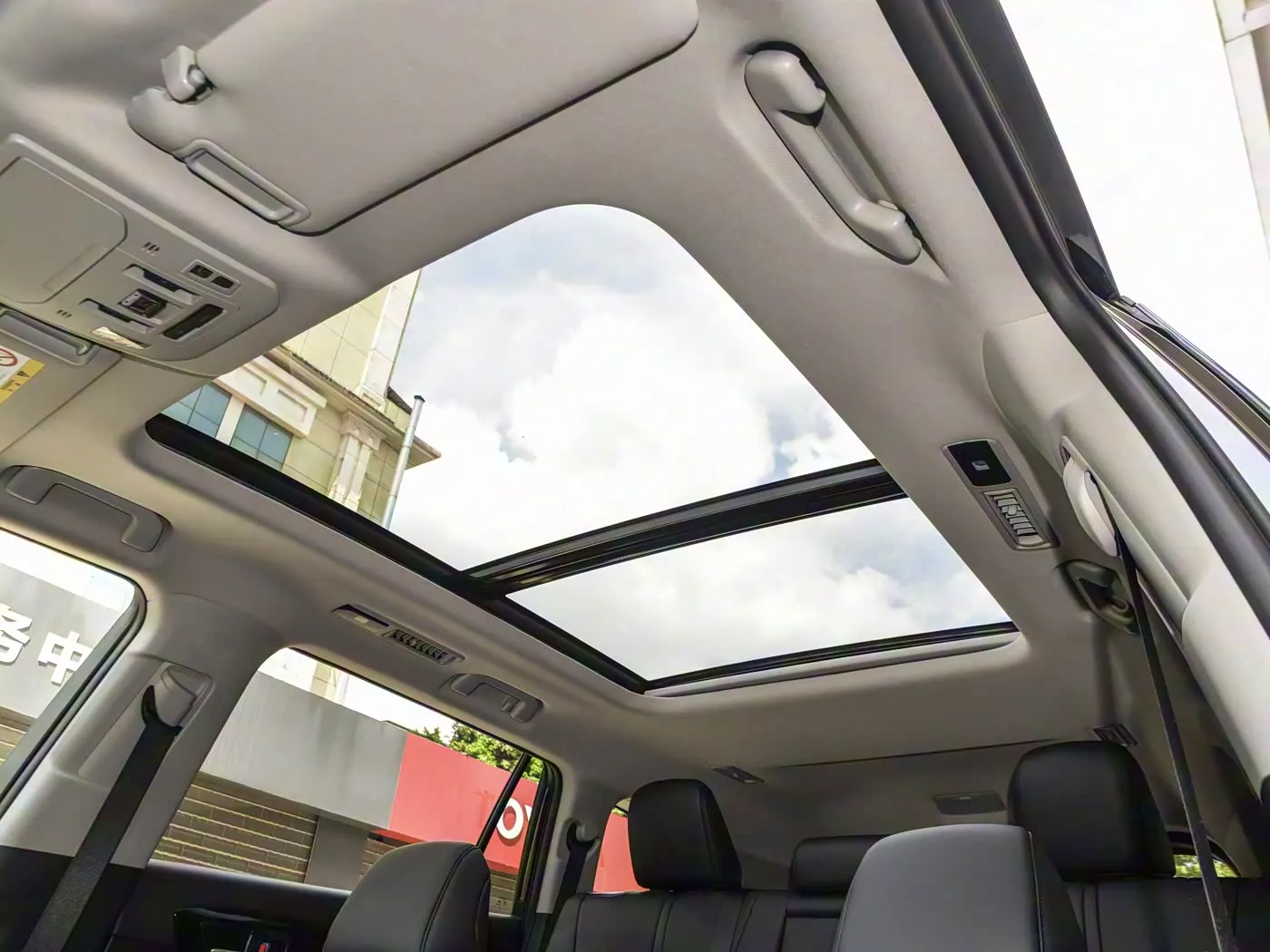
The interior condition gives strong clues about how the Land Cruiser was used. Inspect the seats, carpets,
dashboard, ceiling liner, door trims, steering wheel, center console, switches, and seat belts. Look for tears,
stains, water damage, cracks, faded surfaces, or strong odors such as mold, smoke, or fuel.
If the vehicle includes third-row seating, climate control, infotainment, or premium trim features, verify that
they work properly. Interior wear does not always affect drivability, but it does affect resale value and buyer
satisfaction, especially in the used Land Cruiser export market.
Electrical inspection should include headlights, brake lights, indicators, reverse lights, dashboard displays,
power windows, central locking, mirrors, wipers, horn, air conditioning, and charging system performance.
Modern Land Cruiser models may also include parking sensors, cameras, traction control, navigation, and
multiple drive mode features.
A weak battery, faulty alternator, or malfunctioning sensor can create complications during loading and customs
processing. Because shipping can involve long transit times, verify that the battery is secure and that the
vehicle can be started reliably before departure.
Tires should be checked for tread depth, sidewall cracking, puncture repairs, uneven wear, and manufacturing
age. Uneven wear may indicate alignment problems, suspension issues, or aggressive use. Wheels should be
inspected for cracks, bends, corrosion, and missing wheel nuts or center caps.
For shipping, tires do not need to be brand new, but they should be safe enough to roll on and move during
port handling. Confirm that the spare tire is present and usable, especially for older Land Cruiser models
used in remote areas or off-road settings.
A used Land Cruiser inspection should include a close review of maintenance condition. Check whether the engine
oil, coolant, brake fluid, transmission fluid, and differential fluid appear clean and at proper levels.
Dirty or low fluids can suggest neglect, leaks, or overdue servicing.
If service records are available, review them for oil changes, belt replacements, brake work, suspension repairs,
and major maintenance milestones. A complete maintenance history improves confidence in the vehicle’s condition
and supports better shipping decisions.
Buyers and exporters should be alert to the following warning signs during inspection:
| Warning Sign | Possible Meaning | Suggested Action |
|---|---|---|
| Rust on frame or suspension mounts | Corrosion risk or structural weakness | Inspect carefully and document severity |
| Engine smoke at startup | Oil burning, wear, or mechanical fault | Run a deeper engine evaluation |
| Transmission slipping | Internal transmission wear | Repair before shipping if possible |
| Uneven tire wear | Alignment or suspension issue | Check suspension and steering components |
| Water stains inside cabin | Leak, flood exposure, or poor sealing | Inspect roof, doors, and floor areas |
| Warning lights remaining on | Electrical or mechanical fault | Scan diagnostic codes and verify systems |
| Paint mismatch | Possible accident repair | Confirm repair quality and document history |
| Strong odor in cabin | Mold, smoke, or water damage | Assess interior thoroughly |
Recording the Land Cruiser’s core specifications before shipping creates a reliable reference for buyers,
exporters, importers, and customs agents. The exact specifications vary by model year and market, but the
following table shows the most commonly documented items.
| Specification | Typical Information to Record |
|---|---|
| Make | Toyota |
| Model | Land Cruiser |
| Body Style | SUV, wagon, pickup-based variant depending on market |
| Model Year | Year of manufacture or registration year |
| Chassis Number / VIN | Unique vehicle identification number |
| Engine Type | Diesel or gasoline engine specification |
| Transmission | Automatic or manual |
| Drivetrain | 2WD or 4WD / AWD depending on version |
| Odometer Reading | Total distance traveled |
| Exterior Color | Factory or current body color |
| Interior Color | Seat and trim color |
| Fuel Type | Diesel, gasoline, or hybrid in some markets |
| Seating Capacity | Number of passenger seats |
| Export Status | Ready for shipping, pending repair, or non-shippable |
After inspection, the vehicle should be prepared for export and transport. A Land Cruiser that is ready for
shipping should be clean, documented, and safe to load. The preparation process generally includes the following:
Proper shipping preparation reduces the likelihood of port delays, handling damage, and loading errors. It also
makes the export process more efficient from the origin point to final destination.
Documentation is as important as the physical inspection. Incomplete documents can delay customs clearance
or create legal issues. Before shipping, confirm the following records where applicable:
| Document | Purpose |
|---|---|
| Title or ownership certificate | Proves legal ownership |
| Export declaration | Supports legal export processing |
| Sales invoice or purchase agreement | Confirms transaction details |
| Inspection report | Documents the vehicle condition before shipping |
| Chassis/VIN record | Ensures identity matching |
| Bill of lading details | Used by the shipping carrier and receiver |
| Maintenance records | Supports condition and service history claims |
| Customs paperwork | Required for legal import/export clearance |
A used Land Cruiser inspection before shipping is a high-value process for anyone involved in vehicle export,
international auto trade, or used SUV import. It protects buyers from hidden damage, supports accurate pricing,
improves shipping readiness, and reduces the chance of disputes after delivery. For a durable and valuable
vehicle like the Toyota Land Cruiser, inspection is essential because condition differences can significantly
affect reliability, resale value, and destination compliance.
By following a structured inspection checklist, recording key specifications, reviewing documents, and preparing
the SUV properly for transport, buyers and exporters can create a safer and more transparent transaction.
Whether the Land Cruiser is a classic model, a newer diesel SUV, or a high-mileage 4WD vehicle, the same
principle applies: inspect thoroughly before shipping to avoid expensive surprises later.
| Checklist Item | Status |
|---|---|
| Vehicle identity verified | Completed / Pending |
| Exterior body inspected | Completed / Pending |
| Frame and undercarriage checked | Completed / Pending |
| Engine tested | Completed / Pending |
| Transmission and 4WD confirmed | Completed / Pending |
| Suspension and steering reviewed | Completed / Pending |
| Interior condition documented | Completed / Pending |
| Electrical systems tested | Completed / Pending |
| Tires and wheels inspected | Completed / Pending |
| Documents verified | Completed / Pending |
| Shipping preparation completed | Completed / Pending |
In short, learning how to inspect a used Land Cruiser before shipping is essential for safe, transparent, and
profitable international vehicle handling. A careful inspection process improves trust, protects value, and helps
ensure that the vehicle arrives in the expected condition.
```
This website uses cookies to ensure you get the best experience on our website.



 Phone
Comment
(0)