

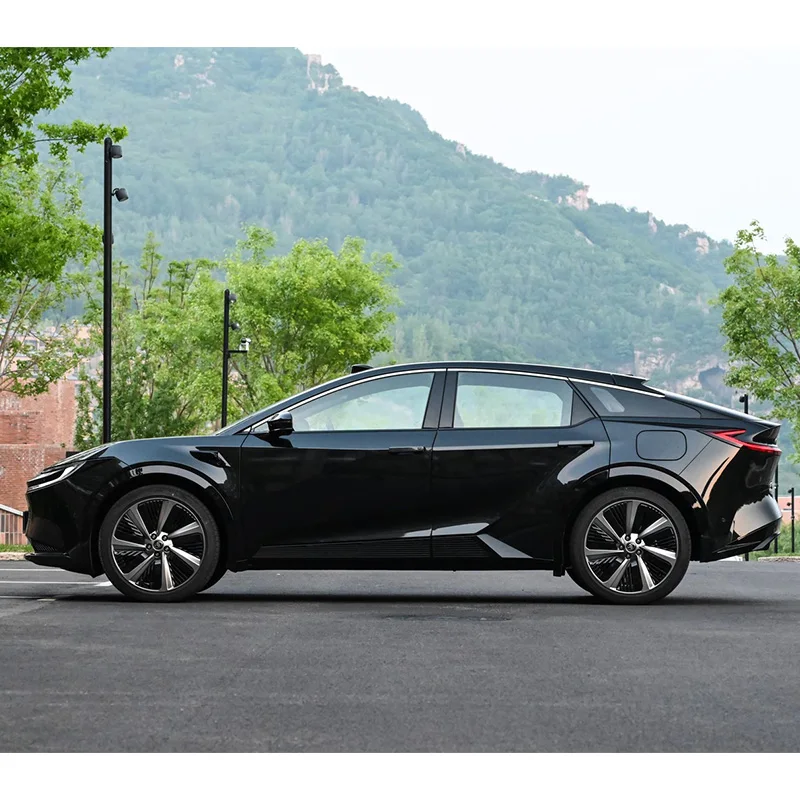
Negotiating a used Toyota wholesale quote safely requires a clear process, strong market knowledge, and
disciplined documentation. Whether you are buying for resale, fleet use, export, or inventory expansion, the wholesale
market rewards informed buyers who understand pricing, inspection standards, vehicle history, title conditions, and
transaction controls. A safe negotiation strategy is not about pushing the lowest number at all costs. It is about
building a fair deal, minimizing risk, and verifying the condition and legitimacy of the vehicle before committing.
This guide is designed for SEO-friendly publishing and can be used on a blog, directory page, or industry resource page.
It provides general information only, without company-specific recommendations. You will find practical definitions,
negotiation tips, safety checks, wholesale pricing factors, common vehicle specifications, and structured tables that help
explain the process in a clear and search-friendly format.
A used Toyota wholesale quote is the price offered for a pre-owned Toyota vehicle in a business-to-business
or trade-level transaction. Unlike retail pricing, wholesale pricing is usually lower because it reflects market movement,
reconditioning needs, transport costs, dealer margins, and the risk associated with buying before retail presentation.
Wholesale quotes are common in dealer auctions, trade channels, fleet disposals, export markets, and direct inventory
acquisition.
In simple terms, the wholesale quote represents what a buyer should pay today if the vehicle is being purchased for
resale or commercial use. Since used Toyota vehicles are widely recognized for durability, strong resale value, and broad
market demand, they often attract active wholesale interest. However, a strong brand name does not eliminate risk. A safe
negotiation must still account for mileage, accident history, mechanical condition, service records, title status, and
regional demand.
Toyota vehicles are frequently searched in wholesale markets because they are known for reliability, fuel economy, parts
availability, and stable resale performance. Buyers often value Toyotas because they can be easier to move after purchase,
especially when the model has broad consumer appeal. This does not mean every Toyota is a good wholesale buy. Rather, it
means the brand usually benefits from higher liquidity and stronger trust in many markets.
Common reasons wholesale buyers focus on Toyota include:
Safe negotiation begins before the first offer. A buyer should know the market, inspect the vehicle properly, define the
target price range, and understand the full landed cost. Safety in wholesale vehicle acquisition includes both financial
safety and transaction safety. In other words, the goal is not only to avoid overpaying but also to avoid fraud, title
issues, hidden damage, undisclosed repairs, and contract ambiguity.
| Principle | What It Means | Why It Matters |
|---|---|---|
| Market Awareness | Know current wholesale ranges, demand, and seasonal trends. | Prevents overpaying and improves offer accuracy. |
| Vehicle Verification | Check VIN, mileage, title, service history, and inspection results. | Reduces the chance of buying a problematic unit. |
| Cost Clarity | Calculate transport, taxes, repairs, auction fees, and reconditioning. | Shows the true total cost before negotiation. |
| Document Control | Use written records for quotes, disclosures, and contract terms. | Helps prevent disputes and misunderstandings. |
| Risk Management | Set a maximum buy number and walk away if terms are unsafe. | Protects cash flow and inventory quality. |
A successful negotiation depends on the quality of your research. Wholesale vehicle pricing changes based on model year,
trim level, mileage, condition, region, fuel type, and demand cycle. The same Toyota model can have very different values
depending on whether it is a clean-title sedan with low mileage or a high-mileage SUV with repair history.
Before negotiating, compare multiple data points. Look at recent transaction trends, vehicle condition reports, and local
market demand. Use comparable vehicles with similar year, mileage, trim, drivetrain, and title status. This helps avoid
relying on asking prices, which can be misleading in wholesale environments.
| Research Factor | What to Check | Negotiation Impact |
|---|---|---|
| Model Year | Current generation, refresh year, and depreciation curve | Affects baseline wholesale value and demand |
| Trim Level | LE, SE, XLE, XSE, Limited, hybrid, off-road, or base spec | Higher trims may hold value better, but may also need more explanation in pricing |
| Mileage | Actual odometer reading and mileage consistency | Lower mileage usually supports a higher quote |
| Condition | Mechanical, cosmetic, frame, tires, brakes, and interior quality | Directly influences repair costs and your final offer |
| Title Status | Clean, salvage, rebuilt, flood, lien, or branded title | Can materially reduce value and affect resale eligibility |
| Regional Demand | Popularity in your target market or export destination | Strong demand may justify a higher buy price |
The safest used Toyota wholesale quote negotiation starts with a full evaluation. Even if the vehicle appears clean in
photos, hidden issues can change the economics of the deal. A buyer should assess the exterior, interior, engine bay,
underbody, tires, brakes, electronics, suspension, and any visible signs of prior repair.
When possible, use an inspection checklist. If the vehicle is purchased remotely or through a broker, ask for detailed
photos, walkaround videos, cold-start video, dashboard warning light confirmation, undercarriage images, and documentation
of any disclosures. In wholesale buying, incomplete information increases risk, so every missing detail should be reflected
in the quote.
| Area | What to Inspect | Possible Quote Adjustment |
|---|---|---|
| Exterior | Paint match, dents, scratches, panels, glass, lights | Minor cosmetic damage may reduce the quote slightly |
| Interior | Seat wear, odor, dashboard condition, electronics, infotainment | Heavy wear can require reconditioning deductions |
| Engine | Oil leaks, noises, smoke, start quality, fluid levels | Mechanical concerns may lower the quote significantly |
| Transmission | Shift quality, hesitation, fluid condition, warning lights | Transmission risk should be priced conservatively |
| Suspension | Noise, alignment, shocks, steering response | Suspension repairs can materially affect total cost |
| Brakes and Tires | Brake pad life, rotor condition, tread depth, tire age | Wear items should be included in reconditioning math |
| Frame and Undercarriage | Rust, bends, welds, flood evidence, impact marks | Structural concerns can alter eligibility and value |
| Electronics | Camera systems, sensors, AC, heating, warning lights | Electrical faults can be costly and should be discounted |
A safe negotiation is based on a disciplined buy formula. The quote should not be driven only by the seller’s asking
price. Instead, it should be based on expected resale value minus total costs and risk buffer. This approach protects
margin and reduces the chance of negative equity after purchase.
One common method is:
Maximum Wholesale Offer = Expected Resale Value - Reconditioning Costs - Transport Costs - Fees - Risk Buffer
The risk buffer accounts for uncertainty, unexpected repairs, market volatility, and time-to-sell. For higher-mileage or
less-documented vehicles, the buffer should be larger. For well-documented clean Toyota models with strong demand, the
buffer may be smaller, but it should never be zero.
| Cost Component | Description | Why It Matters in Negotiation |
|---|---|---|
| Purchase Price | The actual wholesale quote paid for the vehicle | Main item being negotiated |
| Reconditioning | Detailing, mechanical repair, tires, brakes, cosmetics | Can sharply reduce your maximum offer |
| Transport | Shipping, towing, delivery, or freight charges | Important for remote or cross-border deals |
| Administrative Fees | Processing, title transfer, auction, or document fees | Often overlooked, but they affect total cost |
| Holding Cost | Time, floorplan interest, storage, and inventory expense | Longer holding periods reduce profitability |
| Risk Buffer | Extra allowance for hidden issues and market shifts | Protects against surprise losses |
Safe negotiation is professional, data-driven, and calm. Aggressive lowballing without justification may damage trust and
reduce deal quality. Instead, support your offer with facts: comparable sales, condition findings, title status, repair
estimates, and logistical costs. A credible buyer is more likely to secure a favorable quote while maintaining good
transaction relationships.
It is also important to separate price from risk. For example, a Toyota with a clean exterior but incomplete service history
may appear attractive. However, if the vehicle has no proof of major maintenance, your offer should reflect uncertainty.
Likewise, a model with strong demand may justify a faster decision, but not an inflated quote if condition issues are
present.
A safe buyer must recognize warning signs early. Red flags do not always mean you should cancel the deal, but they should
trigger deeper inspection and a lower offer. The most expensive wholesale mistakes often happen when buyers ignore small
inconsistencies. In many cases, those inconsistencies are clues to larger problems.
| Red Flag | What It May Indicate | Suggested Buyer Response |
|---|---|---|
| Missing service records | Unknown maintenance history | Lower offer and request more evidence |
| Title irregularities | Possible lien, salvage, or branding issue | Verify documents before proceeding |
| Inconsistent mileage | Possible odometer issue or reporting mismatch | Investigate all history records carefully |
| Fresh paint in isolated areas | Possible accident repair | Inspect panels, frame, and paint depth |
| Warning lights on dashboard | Electrical or mechanical fault | Do not quote blindly; diagnose first |
| Flood odor or moisture | Possible water damage | Reject or discount heavily |
| Seller pressure tactics | May hide missing information or urgency problems | Slow down and verify everything |
A safe wholesale purchase should follow a structured process from inquiry to payment. Skipping steps to “move fast” can
expose the buyer to title issues, payment disputes, or misrepresented inventory. The most reliable method is to build a
repeatable workflow that applies to every used Toyota wholesale quote.
Different Toyota categories behave differently in the wholesale market. Sedans may move quickly due to broad affordability,
while SUVs and trucks may command stronger prices in specific regions. Hybrids may attract buyers focused on fuel economy,
while work-oriented models may appeal to fleet users and export buyers. Understanding the category helps you negotiate a
safer and more realistic quote.
| Toyota Category | Typical Market Appeal | Wholesale Negotiation Note |
|---|---|---|
| Compact Sedan | Fuel efficiency, lower ownership cost, broad demand | Good liquidity, but price must reflect mileage and condition |
| Midsize Sedan | Family use, comfort, general reliability | Often stable in resale, especially with clean history |
| Hybrid | Efficiency, low fuel use, city driving appeal | Battery health and system diagnostics are crucial |
| SUV | Space, utility, weather confidence, family demand | Condition, drivetrain, and tire wear heavily affect value |
| Pickup Truck | Work use, towing, utility, export demand | Frame and suspension condition matter more than cosmetic wear |
| Minivan | Family transport, passenger capacity, budget practicality | Interior wear and sliding-door function are key price drivers |
Buyers should verify core specifications before approving a used Toyota wholesale quote. These details affect the vehicle’s
value, compliance, and marketability. While exact specs vary by model and year, the following table shows common
specification categories that should be checked in any wholesale transaction.
| Specification | Why It Matters | Examples of What to Confirm |
|---|---|---|
| VIN | Identifies the vehicle and verifies history | Match title, photos, and history report |
| Year | Affects depreciation and parts compatibility | Confirm exact build year and registration year if relevant |
| Trim | Determines features and market positioning | Check base, sport, premium, hybrid, or off-road trim |
| Engine Type | Impacts performance, fuel economy, and maintenance | Gasoline, hybrid, turbo, or other configuration |
| Transmission | Influences driving behavior and repair costs | Automatic or manual, and whether shifts are smooth |
| Drive Type | Affects traction and regional demand | FWD, AWD, or 4WD depending on model |
| Mileage | Major factor in condition and value | Confirm odometer and history consistency |
| Title Status | Determines resale eligibility and risk level | Clean, salvage, rebuilt, or branded |
Fraud prevention is one of the most important parts of safe wholesale buying. A vehicle may be described as clean, but
the photos, documents, or behavior of the seller may tell a different story. Protecting yourself means confirming the
identity of the vehicle, verifying the seller’s authority to sell, and validating the transaction paperwork.
Best practices include comparing the VIN across all documents, reviewing title status carefully, and checking whether the
seller has disclosed any structural repairs, flood exposure, airbag deployment, or odometer discrepancies. If the deal is
remote, request time-stamped photos and current-condition videos. Never rely on a single image set when the purchase value
is significant.
Clear language helps reduce confusion. In wholesale negotiations, you should use phrases that emphasize documentation,
transparency, and conditional approval. This helps keep the conversation professional while maintaining leverage.
One of the safest negotiation skills is knowing when not to buy. Walking away is often the best decision when the risk
outweighs the potential margin. This is especially true when records are missing, the title is unclear, the vehicle has
structural damage, or the seller refuses reasonable verification. Good wholesale buyers preserve capital for better
opportunities rather than forcing a deal that does not meet standards.
Consider walking away if:
If you are publishing this content on a website, the following keyword themes support search visibility and topical
relevance. Use them naturally in headings, body copy, image alt text, metadata, and related articles. Avoid keyword stuffing.
Instead, focus on semantic relevance and user intent.
| Primary Keyword Theme | Supporting Search Intent | Example Usage |
|---|---|---|
| used Toyota wholesale quote | Users looking for wholesale pricing guidance | “How to evaluate a used Toyota wholesale quote safely” |
| used Toyota wholesale negotiation | Users seeking price negotiation strategies | “Used Toyota wholesale negotiation tips for buyers” |
| buy used Toyota wholesale | Commercial buyers and resellers | “Buy used Toyota wholesale with a safe process” |
| wholesale car inspection checklist | Inspection and due diligence searches | “Wholesale car inspection checklist for Toyota vehicles” |
| used car wholesale pricing | General pricing research intent | “How used car wholesale pricing is calculated” |
| Toyota wholesale market | Industry and market analysis searches | “Toyota wholesale market trends and safe buying methods” |
Understanding industry terminology helps buyers make better decisions and negotiate with confidence. These terms are
commonly used in wholesale listings, valuation discussions, and purchase contracts.
| Term | Simple Definition |
|---|---|
| Wholesale Quote | The business-level price offered for a vehicle before retail markup |
| Clean Title | A title with no major branding such as salvage or flood |
| Reconditioning | Repairs and preparation needed before resale or use |
| Market Value | The price the vehicle is likely to achieve in the current market |
| Comparable Vehicle | A similar vehicle used to estimate fair price |
| Title Branding | An official label indicating damage or prior status |
| Odometer Verification | Checking that mileage readings are accurate and consistent |
Negotiating a used Toyota wholesale quote safely requires preparation, verification, and discipline. The
best buyers do not chase the lowest price blindly. They evaluate condition, compare market data, calculate the total
landed cost, and protect themselves with clear documentation. Because Toyota vehicles often have strong wholesale demand,
the opportunity for profit can be attractive, but only when the underlying risk is controlled.
A safe approach includes researching comparable prices, inspecting the vehicle thoroughly, confirming title and mileage,
estimating reconditioning costs, and keeping a firm maximum buy number. When the facts do not support the deal, walking
away is a smart business decision. By following a structured wholesale process, buyers can negotiate more confidently,
reduce costly mistakes, and improve long-term inventory performance.
```
如果你需要,我还可以继续为你补充以下任一版本,仍然保持纯英语、SEO友好、可直接嵌入HTML:
1. 更适合博客文章的版本(加入FAQ、结尾CTA、meta description建议)
2. 更适合目录页/行业页的版本(更偏概览型,结构更短更利于落地页)
3. 更强SEO版本(增加H2/H3层级、LSI关键词、FAQ Schema文本)
4. 围绕特定Toyota车型的版本(如 Camry / Corolla / RAV4 / Tacoma / Prius,但不含公司推荐)
This website uses cookies to ensure you get the best experience on our website.



 Phone
Phone
Comment
(0)