

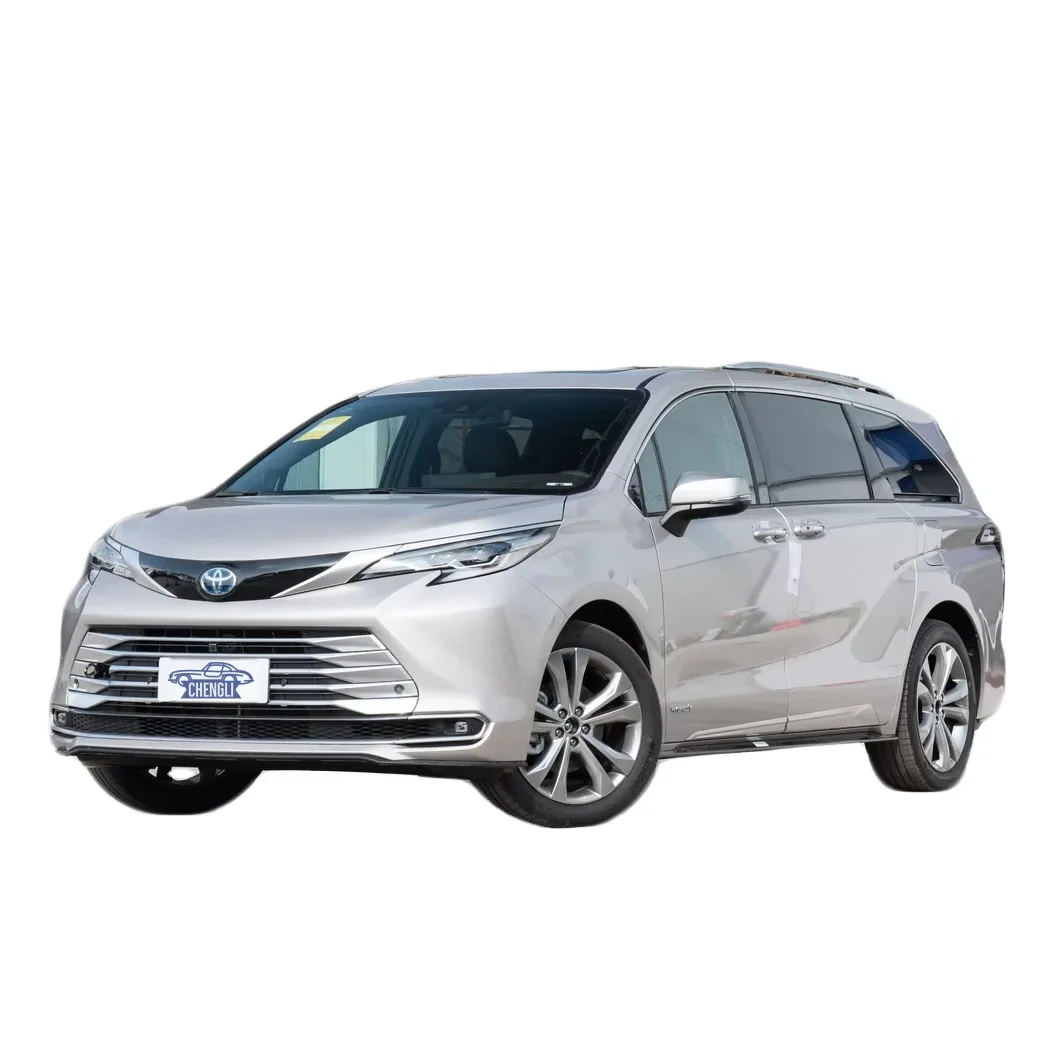
For buyers researching a used Toyota import, one of the most important questions is whether
a third-party inspection is actually worth the extra cost. In most cases, the answer is yes.
A proper inspection can reduce risk, reveal hidden issues, support better pricing decisions, and help buyers
avoid expensive surprises after purchase. This is especially important in the used import market, where
vehicles may come from different countries, climates, road conditions, and maintenance standards.
Toyota vehicles are known for reliability, fuel efficiency, and strong resale value, which is exactly why
they are so popular in the imported used car market. But even the most dependable brand can have problems
if a car has been heavily used, poorly repaired, flood-damaged, accident-repaired, or maintained on an
inconsistent schedule. A third-party inspection helps evaluate the real condition of the vehicle before
money changes hands.
This guide explains what third-party inspection means, why it matters for used Toyota imports, what it usually
checks, how much it can save buyers in the long run, and which factors should be included in an inspection
report. It is written for general informational use and can be inserted directly into a blog, category page,
service page, or industry landing page.
A third-party inspection is an independent evaluation of a vehicle performed by a qualified
inspector or inspection service that is not the seller, dealer, exporter, or auction platform. The purpose is
to provide an unbiased assessment of the car’s condition, including mechanical performance, body condition,
accident history indicators, interior wear, engine health, transmission behavior, and safety-related issues.
For used Toyota imports, this independent review is especially valuable because vehicles may be
sold across borders, and buyers often cannot physically inspect them before purchase. Photos and seller
descriptions can be useful, but they rarely tell the full story. A third-party inspection adds a layer of
verification and helps close the information gap.
In many cases, the inspection includes a written report, photographs, checklists, measurement results, and
sometimes video evidence. This makes it easier to compare vehicles, negotiate price, and make a confident
buying decision.
Toyota has a strong reputation for durability, but imported used vehicles still carry risk. A vehicle may look
clean on the surface while hiding issues such as oil leaks, worn suspension components, rust, electrical faults,
poor repairs, odometer inconsistencies, or drivetrain wear. A third-party inspection helps identify these
problems before purchase.
This matters even more for import buyers because:
For many buyers, the inspection cost is far lower than the potential repair bill for an overlooked defect. In
other words, a relatively small inspection fee can help avoid a much larger financial loss.
| Benefit | What It Means | Why It Matters for Used Toyota Imports |
|---|---|---|
| Independent condition verification | Neutral assessment of the vehicle’s actual state | Reduces reliance on seller claims and listing photos |
| Hidden defect detection | Finds issues that are not visible in images or short descriptions | Helps identify accident damage, rust, leaks, and mechanical wear |
| Better value assessment | Shows whether the asking price matches the real condition | Supports smarter negotiation and buying decisions |
| Risk reduction | Lowers the chance of buying a problematic vehicle | Important for imports where return options are limited |
| Maintenance planning | Identifies service items that may need attention soon | Helps buyers budget for post-purchase repairs and upkeep |
| Confidence before purchase | Provides evidence-based buying support | Useful for both private buyers and dealers |
These benefits are especially relevant in the used import segment, where distance, time pressure, and cross-border
paperwork can make buyers more vulnerable to incomplete information.
A good inspection for a used Toyota import should be detailed and practical. While the exact scope can vary by
service provider, most professional inspections include a combination of visual checks, operational testing, and
report documentation.
| Inspection Area | What Is Checked | Common Issues Found |
|---|---|---|
| Exterior condition | Paint, panels, gaps, dents, scratches, trim, glass | Repainting, repaired damage, misaligned body panels |
| Interior condition | Seats, dashboard, controls, electronics, odor, wear | Heavy use, water damage, electrical faults |
| Engine condition | Leaks, noise, smoke, vibration, fluid condition | Oil leaks, overheating signs, wear, poor maintenance |
| Transmission and drivetrain | Shifting behavior, clutch or gearbox function, axle condition | Hard shifting, slipping, abnormal noise, wear |
| Suspension and steering | Shock absorbers, bushings, steering play, alignment clues | Worn suspension, pulling, uneven tire wear |
| Braking system | Brake pads, rotors, fluid, ABS indicators | Reduced braking performance, wear, warning lights |
| Undercarriage and rust | Frame, floor, mounts, corrosion, impact marks | Rust, flood damage, impact repair, structural concerns |
| Electrical system | Lights, battery, switches, dashboard alerts, sensors | Fault codes, malfunctioning electronics, warning lights |
| Odometer and records | Mileage consistency, document cross-checks, wear patterns | Possible odometer discrepancies or record inconsistencies |
| Road test | Acceleration, braking, steering, noise, ride quality | Problems that only appear under real driving conditions |
The most useful inspections combine visual evidence with functional testing. A car may look acceptable in photos
but reveal mechanical or structural issues once it is examined closely.
A common misconception is that because Toyota is a reliable brand, a used Toyota import does not need a careful
inspection. This is not true. Reliability does not eliminate the effects of age, mileage, accidents, corrosion,
or poor upkeep. Even a highly dependable model can become expensive to own if it has hidden damage or neglected
maintenance.
Toyota models are often chosen for long-term ownership, family use, ride-hailing, fleet use, and daily commuting.
This means some vehicles may have been driven heavily before export. High usage does not automatically make a
car bad, but it does increase the importance of checking condition accurately.
Used Toyota imports may also come from environments with:
A third-party inspection is not about doubting Toyota quality. It is about confirming the actual condition of
the specific vehicle being considered.
In most import-buying situations, yes, third-party inspection is worth it. The value comes from risk management.
If the inspection prevents one major mistake, it can pay for itself many times over. This is particularly true
when the buyer is importing from another market, where shipping, taxes, port fees, registration, and compliance
expenses can already be substantial.
The inspection fee is usually minor compared with:
Buyers should think of inspection as a form of insurance against expensive uncertainty. It does not guarantee a
perfect car, but it significantly improves decision quality.
| Situation | Why Inspection Is Valuable |
|---|---|
| High-value vehicle | The higher the price, the more important it is to confirm condition |
| Buyer cannot view the car in person | Remote purchases need independent verification |
| Limited seller documentation | Inspection fills gaps left by incomplete records |
| Imported vehicle with unknown history | Cross-border background is often harder to verify |
| Older model with high mileage | Wear and tear are more likely and should be checked carefully |
| Suspicion of previous damage | Inspection can identify signs of repair or hidden structural issues |
One of the biggest reasons buyers choose third-party inspection is to uncover problems that may not be obvious
from listing photos or brief descriptions. Below are some of the most common issues that inspections can reveal
on used Toyota imports.
These are precisely the kinds of defects that can turn a seemingly good deal into a costly ownership problem.
A useful inspection report should be easy to read, structured, and detailed enough for real decision-making. It
should not rely only on general statements like “good condition” or “acceptable.” Buyers need measurable and
descriptive information.
| Report Element | Description | Why It Helps |
|---|---|---|
| Vehicle identification | Make, model, year, mileage, VIN or chassis number | Confirms the exact vehicle being inspected |
| Exterior overview | Condition of paint, panels, glass, lights, and trim | Reveals cosmetic condition and repair signs |
| Interior overview | Seat condition, dashboard wear, control function, odors | Shows actual use and possible damage |
| Mechanical summary | Engine, transmission, suspension, brakes, and steering | Identifies performance and safety concerns |
| Undercarriage notes | Rust, leaks, damage, repair marks, frame condition | Important for detecting structural issues |
| Diagnostic findings | Warning lights, fault codes, electronic irregularities | Helps spot hidden system problems |
| Photo evidence | Images from multiple angles and close-up areas | Allows buyers to visually verify findings |
| Inspector conclusion | Summary with condition rating or purchase recommendation | Makes the report easier to act on |
The best reports provide enough detail to compare multiple vehicles side by side. This is useful for buyers
shopping across different listings or markets.
Seller-provided information is still useful, but it should not be treated as the final word. Sellers naturally
focus on the positives, while an independent inspection aims to examine both strengths and weaknesses.
| Aspect | Seller Information | Third-Party Inspection |
|---|---|---|
| Objectivity | May be promotional or selective | Independent and neutral |
| Detail level | Often basic or marketing-focused | Usually more technical and structured |
| Damage disclosure | May omit minor or major defects | Designed to identify visible problems and warning signs |
| Buyer's risk | Higher if relying only on description | Lower due to evidence-based review |
| Negotiation support | Limited | Strong support for pricing discussion |
In the used import market, a buyer should always assume that seller information is part of the picture, not the
full picture. Third-party inspection completes that picture.
A detailed inspection is not only about avoiding bad vehicles. It can also help buyers determine whether a
vehicle is fairly priced. A Toyota import with excellent condition may justify a higher asking price, while a
car with visible wear, mechanical issues, or structural concerns should generally cost less.
Inspection results can help buyers:
In short, inspection improves negotiation power. Instead of guessing, buyers can base their decisions on visible
condition and documented findings.
When evaluating whether inspection is worth it, buyers should look beyond the purchase price and consider the
full ownership cost. This includes repairs, maintenance, downtime, parts replacement, fuel efficiency, and
resale value.
A used Toyota import with a clean inspection may offer lower long-term costs because the buyer starts with a
healthier vehicle. By contrast, an uninspected car can create unexpected expenses soon after purchase, which can
erase any savings from a lower buying price.
Common cost areas influenced by inspection findings include:
For import buyers planning to keep the car for several years, this long-term cost perspective is extremely
important.
Not all inspections are equally useful. Buyers should look for a process that is thorough, transparent, and
relevant to imported used Toyota vehicles. A strong inspection process should include the following elements:
Buyers should avoid vague summaries with no evidence. A meaningful inspection should show what was checked, what
was found, and how serious the findings may be.
Third-party inspection is highly valuable, but it is not a magic solution. Some issues may be hidden, intermittent,
or impossible to detect without full disassembly. In addition, a vehicle can still develop future problems after a
clean inspection if it is later driven aggressively or poorly maintained.
For that reason, inspection should be used together with:
The best buying decisions combine multiple sources of evidence.
Third-party inspection is valuable for almost any used import buyer, but some groups benefit even more:
In these cases, the inspection is not just helpful—it is often one of the most practical steps in the buying
process.
For anyone asking, “Is third-party inspection worth it for used Toyota imports?”, the answer
is usually yes because it helps reduce risk, identify hidden issues, support fair pricing, and protect the
buyer’s investment. A used Toyota import may be a smart purchase, but only if its true condition is understood
before purchase.
In a market where photos, listings, and seller claims may not tell the whole story, a third-party inspection
provides independent, structured, and evidence-based information. That makes it one of the most useful tools
for evaluating a used Toyota import.
Whether the goal is reliability, safety, better resale value, or lower long-term ownership cost, a professional
inspection can be well worth the investment.
These SEO-focused keyword phrases are commonly associated with this topic and can be used naturally throughout a
page:
Using these terms naturally in headings, body copy, tables, and FAQ-style content can improve relevance for
search engines while keeping the page useful for readers.
```
This website uses cookies to ensure you get the best experience on our website.



 Phone
Phone
Comment
(0)