

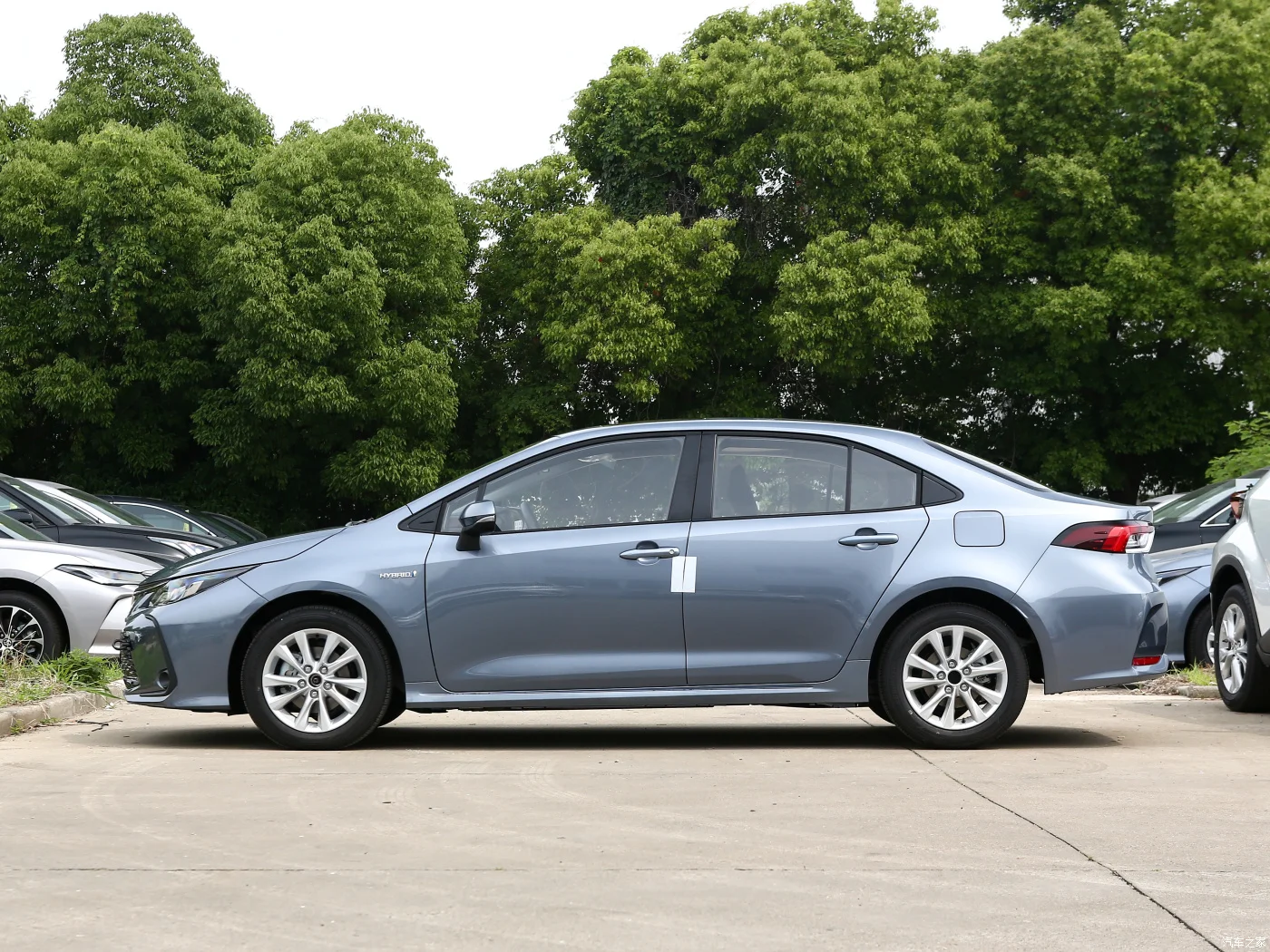
Low-mileage used Toyota cars continue to attract strong interest from buyers who want reliability, long-term value, and lower ownership risk without paying the full price of a brand-new vehicle. In today’s used car market, low-mileage Toyota models often sell at a premium because they combine the brand’s reputation for durability with the appeal of a vehicle that has seen limited road use. For many shoppers, the main question is simple: are low-mileage used Toyota cars worth the extra money?
The answer depends on how “low mileage” is defined, what condition the car is in, how much of the manufacturer warranty remains, and how the vehicle was maintained. While mileage is one of the most important factors in used car value, it is not the only factor. Service history, ownership pattern, accident records, model year, trim level, and market demand all influence the final price. In many cases, low-mileage used Toyota cars can be an excellent purchase because they often offer a strong balance of depreciation savings and remaining lifespan. However, not every low-mileage car is automatically a smart buy, and buyers should evaluate the vehicle carefully before paying a premium.
This guide provides a detailed, SEO-friendly overview of low-mileage used Toyota cars, including definitions, benefits, pricing factors, inspection points, value comparisons, and common buyer questions. It is designed for use in blogs, directory pages, automotive content hubs, dealership education pages, or industry resource sections.
A low-mileage used Toyota is typically a pre-owned Toyota vehicle with significantly fewer miles than average for its age. While there is no universal industry rule, many shoppers and sellers consider a used car “low mileage” when it has traveled less than the typical annual average of around 12,000 to 15,000 miles per year. For example, a 3-year-old Toyota with 18,000 to 30,000 miles may be considered low mileage depending on its usage, condition, and maintenance history.
Low mileage is especially important in the used Toyota market because Toyota models are already known for reliability, fuel efficiency, and long-term performance. A Toyota with low mileage may still have most of its mechanical life ahead of it, making it more desirable to buyers seeking dependable transportation and lower repair risk.
| Vehicle Age | Typical Average Mileage | Common Low-Mileage Range |
|---|---|---|
| 1 year | 12,000–15,000 miles | Under 10,000 miles |
| 3 years | 36,000–45,000 miles | Under 30,000 miles |
| 5 years | 60,000–75,000 miles | Under 50,000 miles |
| 7 years | 84,000–105,000 miles | Under 70,000 miles |
Toyota vehicles have a strong reputation for reliability, low cost of ownership, and broad market demand. These traits help used Toyota cars retain value better than many competitors. Buyers often search specifically for used Toyota sedans, SUVs, hybrids, and trucks because they trust the brand’s engineering and long-term dependability.
Low-mileage Toyota models often command higher resale prices for several reasons:
In many situations, yes—low-mileage used Toyota cars can absolutely be worth the premium. The premium is often justified when the vehicle has a clean history, regular maintenance, minimal wear, and a desirable model year or trim. A lower-mileage Toyota may offer a longer remaining service life, fewer immediate repair needs, and a better chance of preserving resale value later.
However, the premium is not always justified if the mileage is low but the car has been neglected, stored improperly, or involved in damage. A low-mileage Toyota that has sat unused for long periods can have issues such as dry seals, battery degradation, flat-spotted tires, or fluid problems. In other words, mileage alone does not guarantee quality.
Buyers often find the premium worthwhile when they want:
Lower mileage usually means less wear on the engine, transmission, suspension, brakes, and steering components. This can translate into fewer repairs and smoother performance, especially if the car has been properly maintained. For Toyota vehicles, which already have a strong mechanical reputation, low mileage can further increase confidence in the vehicle’s condition.
Buyers who want to keep a car for many years often prefer low-mileage used Toyotas because they may have more usable life remaining. This can be particularly appealing for people who want a long-term commuter car, family vehicle, or second car.
A low-mileage used Toyota often maintains better resale value because future buyers also value the same characteristics: reliability, lower wear, and a clean history. If you plan to sell or trade in the vehicle later, the premium paid upfront may be partially recovered.
Depending on age and mileage, a used Toyota may still have portions of the original factory warranty remaining. This can reduce ownership risk and add peace of mind. Some low-mileage vehicles may also qualify for certified pre-owned programs in certain markets, though terms vary by region and seller.
A lower-mileage vehicle is often less likely to require immediate replacement of wear items such as shocks, belts, brake components, or suspension parts. This makes budgeting easier and can lower the cost of ownership during the first years of use.
Although low-mileage used Toyota cars are appealing, there are also drawbacks to consider before paying extra.
The most obvious downside is cost. Low-mileage used Toyota vehicles can be priced close to new-car territory, especially if the model is in high demand or if inventory is tight. In some cases, the price difference between a very low-mileage used model and a new one may be smaller than expected.
A low-mileage car is not always a young car. Some vehicles accumulate few miles because they were driven infrequently. Even if the odometer is low, an older vehicle may have aging rubber components, electronics, fluids, and interior materials. Time-related wear can matter almost as much as mileage.
Cars that sit unused for long periods may experience issues such as battery drain, tire deterioration, fuel aging, corrosion, or seals drying out. These problems are not always visible during a quick inspection, so service records and a professional inspection remain important.
Sometimes a slightly higher-mileage Toyota with excellent maintenance records provides better value than a very low-mileage example with a large price premium. Buyers should compare total condition, not just mileage.
When comparing low-mileage used Toyota cars with higher-mileage alternatives, the best choice depends on budget, ownership goals, and risk tolerance. Low-mileage vehicles often cost more upfront but may offer more immediate reliability and lower near-term repair risk. Higher-mileage vehicles are usually more affordable and may still be excellent purchases if they have strong maintenance records.
| Factor | Low-Mileage Used Toyota | Higher-Mileage Used Toyota |
|---|---|---|
| Purchase price | Higher | Lower |
| Wear and tear | Usually lower | Usually higher |
| Immediate repair risk | Often lower | Often higher |
| Resale value | Typically stronger | Typically lower |
| Value for budget buyers | May be less attractive | Often more attractive |
| Long-term ownership appeal | High | Can still be high with proper care |
Mileage should never be the only factor in a used car purchase. Before buying a low-mileage used Toyota, inspect and review the following:
Used Toyota car pricing is influenced by a combination of factors, but mileage remains one of the most significant. Lower mileage often means higher value because it suggests less wear and a longer potential lifespan. However, the pricing effect varies based on model popularity, age, trim level, and overall condition.
In general, the market places a premium on:
If a Toyota has exceptionally low mileage for its age, it may command a stronger asking price. Still, buyers should evaluate whether that premium is proportional to the additional value received. In some cases, the market premium can be justified by the vehicle’s condition and future resale potential. In other cases, a moderate-mileage Toyota may offer better overall value.
Low-mileage used Toyota vehicles are available in several body styles, each serving a different buyer need. While the exact models vary by market and year, the following categories are often in demand:
| Body Style | Typical Buyer Need | Why Low Mileage Matters |
|---|---|---|
| Sedan | Commuting, fuel efficiency, everyday use | Lower wear can improve long-term reliability and resale |
| Hatchback | Urban driving, versatility, compact size | Low mileage may preserve drivetrain and interior condition |
| SUV | Family transport, cargo space, road confidence | Lower mileage can reduce suspension and drivetrain wear |
| Hybrid | Fuel savings, efficiency, daily commuting | Low mileage may help preserve battery and hybrid system longevity |
| Pickup | Towing, work use, utility | Reduced usage can mean less stress on powertrain and frame components |
To decide if a low-mileage used Toyota is worth the premium, compare the asking price against similar vehicles with slightly higher mileage, similar age, and similar condition. Ask yourself the following questions:
A fair premium is one that reflects real value, not just a marketing claim. If the mileage difference is small but the price difference is large, the deal may not be attractive. If the vehicle is exceptionally well kept and priced in line with the market, the premium may be reasonable.
Different buyers benefit from low-mileage used Toyota cars in different ways. The table below summarizes common buyer priorities.
| Buyer Type | Main Priority | Why Low-Mileage Toyota Appeals |
|---|---|---|
| Daily commuters | Reliability and low running costs | Lower chance of near-term repairs and breakdowns |
| Families | Safety, dependability, and value | Less wear can improve confidence and long-term use |
| First-time buyers | Predictability and ease of ownership | Low mileage reduces uncertainty and maintenance concerns |
| Long-term owners | Maximum vehicle lifespan | More remaining life supports extended ownership |
| Resale-conscious buyers | Future trade-in value | Low mileage may help retain value longer |
A low-mileage used Toyota is more likely to be a strong purchase if it shows the following characteristics:
These indicators suggest the vehicle has been cared for properly and may justify the higher asking price.
Buyers should be cautious if a low-mileage used Toyota has any of the following warning signs:
When searching for low-mileage used Toyota cars, buyers should focus on more than the odometer. The best purchase is usually a Toyota that combines low mileage with solid maintenance, clean history, strong condition, and fair market pricing. A low-mileage Toyota can be a smart choice for drivers who want dependable transportation, reduced near-term repair risk, and strong resale value. Still, the premium only makes sense when it aligns with real vehicle quality and long-term ownership benefits.
For shoppers comparing used Toyota cars with low mileage against slightly higher-mileage alternatives, the decision often comes down to value per dollar. A premium may be worthwhile if it brings added peace of mind, better condition, and longer usable life. On the other hand, a well-maintained higher-mileage Toyota may deliver better budget value if the price difference is too large.
The following keyword phrases are commonly associated with this topic and may help support search visibility when used naturally within educational or informational content:
Low-mileage used Toyota cars often deserve the attention they get in the market. Their combination of low wear, strong brand reputation, and good resale potential makes them attractive to many buyers. In many cases, paying a premium for a low-mileage Toyota can be a smart decision, especially when the car has been well maintained and priced fairly. However, the premium is only worthwhile if the vehicle’s condition, history, and long-term value support the higher cost.
The best approach is to compare mileage, maintenance, age, history, and market pricing together. When these factors align, a low-mileage used Toyota can be one of the most practical and dependable purchases in the used car market.
```
This website uses cookies to ensure you get the best experience on our website.



 Phone
Comment
(0)