

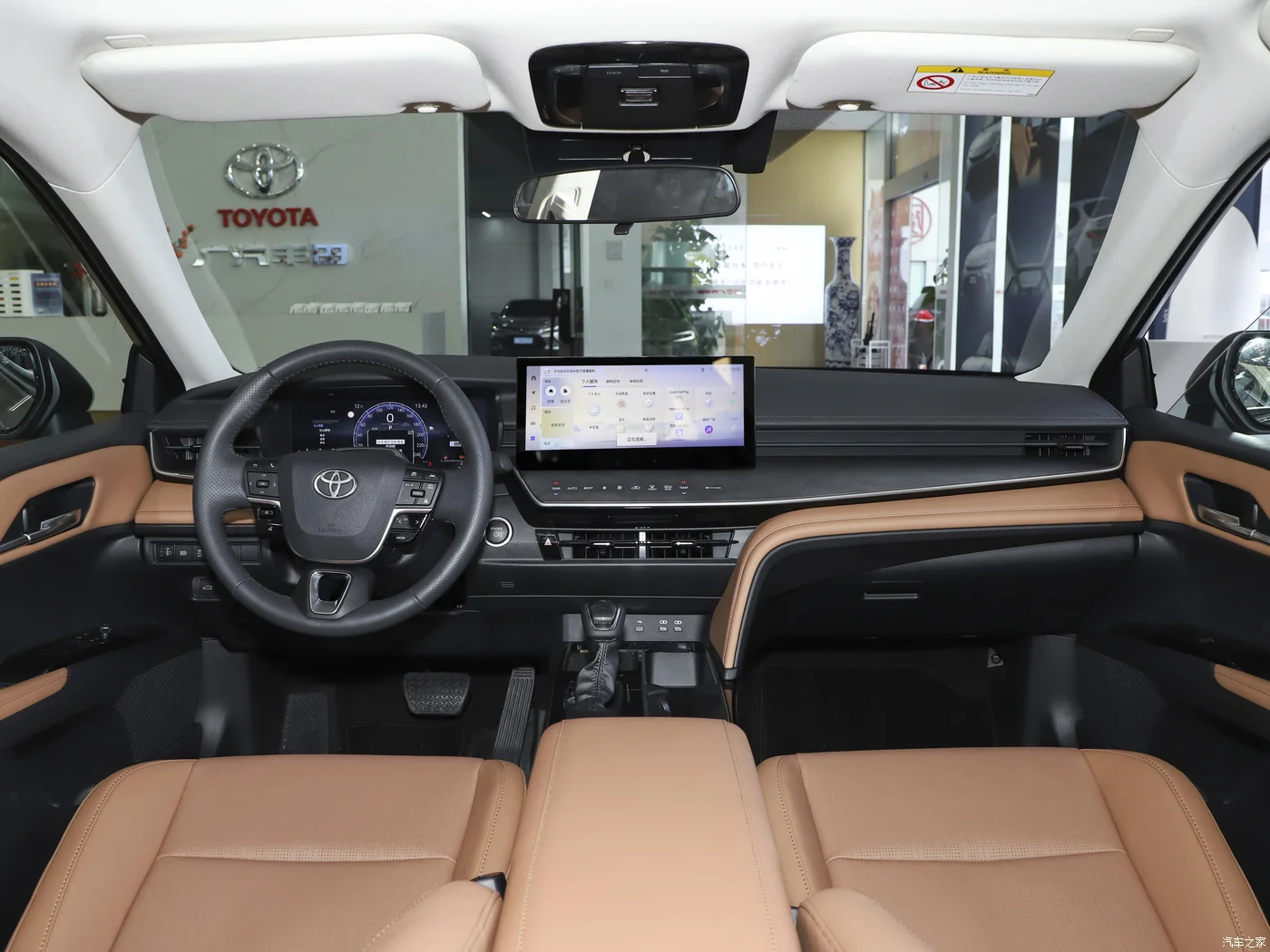
Toyota hybrid vehicles are popular in the global used-car trade because they combine fuel efficiency, reliability,
and strong resale demand. For importers, however, the real value of a Toyota hybrid is not only in the model year,
mileage, or body condition. The most important factor is often Toyota hybrid battery health.
A hybrid battery directly affects driving performance, fuel economy, warranty risk, buyer confidence, and long-term
ownership cost. For this reason, importers should request clear battery health documentation before purchasing,
shipping, or listing any Toyota hybrid vehicle.
This guide explains what Toyota hybrid battery health means, why it matters for importers, what documents to request,
how battery condition is measured, and which specifications should appear in an inspection report. The content below
is designed for SEO, directory pages, industry pages, and blog use. It is written in plain English, structured for
search visibility, and focused on general industry information without company recommendations.
Toyota hybrid battery health refers to the overall condition, capacity, performance, and stability of the high-voltage
battery pack used in Toyota hybrid systems. This battery stores and delivers electrical energy to support the gasoline
engine, power the electric motor, and improve fuel efficiency. In a well-functioning hybrid system, the battery helps
reduce fuel consumption, lowers emissions, and supports smooth acceleration and regenerative braking.
Battery health is not simply whether the vehicle starts or drives. A Toyota hybrid battery may still operate while
showing reduced capacity, weak cell balance, abnormal voltage variation, or early signs of degradation. Importers should
understand that a battery can appear “working” while still being below the ideal standard for export, resale, or long-term
use. That is why hybrid battery health inspection is essential.
For importers, battery condition affects almost every stage of the business model. A weak battery can increase returns,
reduce customer satisfaction, and create unexpected repair costs. In many markets, buyers specifically ask about the
battery status of imported Toyota hybrids such as Prius, Aqua, Corolla Hybrid, Camry Hybrid, RAV4 Hybrid, and other
hybrid variants. A vehicle with verified battery health usually has stronger market value and easier sales conversion.
Toyota hybrid systems use a high-voltage battery to store energy captured during braking and to assist the gasoline engine
during acceleration, low-speed driving, and other power-demand situations. Depending on the model and generation, the battery
may be nickel-metal hydride (NiMH) or lithium-ion (Li-ion). Each chemistry has different characteristics, but both require
careful health evaluation before import.
The battery does not work alone. It connects to an inverter, control modules, cooling systems, sensors, and the vehicle’s
hybrid ECU. A battery may be affected by heat, age, mileage, poor maintenance, or internal cell imbalance. Because of this,
importers should request both a visual inspection and an electronic battery health report.
A healthy Toyota hybrid battery should show stable voltage, balanced cell readings, normal charge and discharge behavior,
and no warning lights. The battery should also support efficient fuel consumption and smooth hybrid operation. While some
signs can be observed on the road, many battery issues require scan tool data or professional testing.
| Health Indicator | What It Means | Why It Matters |
|---|---|---|
| Stable voltage | Battery voltage remains within normal range under load | Suggests consistent energy delivery and less degradation |
| Low cell imbalance | Cells or modules show similar values | Indicates battery pack balance and healthier performance |
| No warning lights | No hybrid system or battery fault indicators | Reduces risk of hidden issues |
| Normal fan activity | Battery cooling fan works without unusual noise or overuse | May signal proper thermal control |
| Good fuel economy | Vehicle performs close to expected hybrid efficiency | Indirectly reflects battery support quality |
| Quick charge/discharge response | Battery accepts and releases energy without lag | Supports smooth hybrid driving |
Importers should be aware of common battery-related problems that can affect used Toyota hybrids. Some issues may not be
visible during a basic inspection, which is why documented battery testing is important. When these problems are detected
early, the importer can make better purchasing and pricing decisions.
| Common Problem | Description | Impact on Importers |
|---|---|---|
| Capacity loss | Battery stores less energy than it did when new | Lower fuel economy, weaker performance, reduced resale value |
| Cell imbalance | Individual cells or modules show uneven performance | Can cause warning lights and premature battery failure |
| Voltage fluctuation | Voltage rises and falls too quickly or unevenly | May indicate internal battery wear |
| Overheating | Battery temperature becomes abnormally high | Can shorten battery life and trigger system faults |
| Corrosion or leakage | Signs of damage around terminals or battery components | May require expensive repair or replacement |
| Fault codes | Hybrid ECU stores battery-related diagnostic trouble codes | Signals existing or historical battery problems |
To reduce risk, importers should request a complete battery health documentation package. A simple statement such as
“battery okay” is not enough for professional used-vehicle importing. The best practice is to ask for test results,
scan data, and clear photographs or videos when available.
A strong Toyota hybrid battery health report should include measurable data. These figures help importers compare vehicles
and estimate long-term reliability. While acceptable ranges may vary by model, generation, and battery type, the following
metrics are widely used in the industry.
| Metric | What It Shows | Why Importers Need It |
|---|---|---|
| Voltage | Electrical output level of the battery pack or modules | Helps detect weak or unstable battery sections |
| Capacity | How much energy the battery can store | Indicates remaining usable battery life |
| Internal resistance | How much the battery resists electrical flow | Higher resistance often means aging or wear |
| Cell balance | How evenly cells or modules perform | Important for stable hybrid operation |
| Temperature | Heat level during use or testing | Overheating may indicate cooling or battery issues |
| Error codes | Stored system faults or alerts | Useful for identifying hidden battery problems |
| State of charge | Current battery energy level at the time of test | Helps interpret other readings accurately |
Different inspection methods provide different levels of confidence. Importers should prefer reports that combine several
methods rather than relying on a single quick check. A more complete inspection improves decision-making and lowers the
chance of purchasing a vehicle with hidden battery degradation.
A professional battery report should be easy to read, date-stamped, and linked to the correct vehicle. Importers should
look for consistency, clarity, and measurable results. Reports that only say “pass” without numbers are less useful for
pricing and risk evaluation.
| Report Element | Preferred Detail | Importance |
|---|---|---|
| Vehicle identification | VIN, model, year, mileage | Confirms report belongs to the correct unit |
| Test date | Recent inspection date | Ensures information is current |
| Battery type | NiMH or lithium-ion | Clarifies chemistry and expected behavior |
| Measured values | Voltage, capacity, temperature, resistance | Supports objective evaluation |
| Fault status | Active, pending, or stored codes | Reveals system issues |
| Inspector comments | Plain-language summary of results | Helps non-technical importers interpret findings |
| Evidence | Photos, screenshots, or scan data | Adds trust and transparency |
Toyota hybrid battery health should be treated as a pricing factor, not a minor technical detail. When a battery shows
strong results, the vehicle usually commands a higher price and moves faster in the market. When the battery is weak,
the vehicle may require a discount, reconditioning, or replacement planning. For importers, this affects landed cost,
sales margin, and inventory turnover.
In many cases, the battery condition determines whether a hybrid is a “ready-to-sell” unit or a “repair-risk” unit.
This is especially important for high-volume importers who manage stock across multiple grades, auction sources, or
export markets. Good battery documentation can also support premium listings and reduce negotiation pressure from buyers.
Resale value is strongly connected to trust. Buyers of imported Toyota hybrids often compare battery condition before
making a purchase decision. If the battery health is unknown, buyers may assume higher risk and request a lower price.
If the battery is verified, they are more likely to pay closer to market value.
A healthy battery can improve:
Different Toyota hybrid models may show different battery patterns based on weight, usage, climate, and battery design.
Importers should not assume that every Toyota hybrid has the same battery condition standards. Instead, the condition
should be assessed individually.
| Model Category | General Battery Consideration | Importer Note |
|---|---|---|
| Compact hybrids | Often used in high-mileage city driving | Check for frequent charge cycles and wear |
| Sedan hybrids | May offer balanced battery performance | Review fuel economy and scan data together |
| SUV hybrids | Battery supports heavier vehicle load | Inspect thermal condition and power delivery carefully |
| Older-generation hybrids | Higher chance of age-related battery decline | Request deeper inspection and history if possible |
| Low-mileage units | Battery may still age even with low use | Ask about storage conditions and recent use patterns |
Battery performance is influenced by climate, usage habits, storage conditions, and age. Importers should understand these
factors because a vehicle imported from one region may face different battery risks than a similar vehicle from another
region.
The following checklist can help importers standardize their sourcing process. It is useful for auctions, dealer purchases,
direct exports, and pre-shipment inspections. Using a checklist also improves consistency across different suppliers and
inspection teams.
| Checklist Item | Request Status | Notes |
|---|---|---|
| Battery health report | Required | Should include date and vehicle identity |
| Diagnostic scan data | Required | Look for hybrid ECU and battery codes |
| Voltage readings | Required | Useful for finding weak sections |
| Temperature readings | Recommended | Helps detect overheating issues |
| Visual photos | Recommended | Supports transparency and review |
| Driving evidence | Recommended | Shows real-world hybrid behavior |
| Fault code explanation | Required if codes exist | Interpretation should be clear |
| Test result summary | Required | Should state pass, caution, or fail |
When reviewing battery documentation, importers often need a standardized set of specifications. These specifications
make comparison easier and help classify vehicles for sale, repair, or further testing.
| Specification | Typical Format | Purpose |
|---|---|---|
| Vehicle model | Example: Toyota Prius | Identifies the hybrid platform |
| Model year | Example: 2018 | Provides age context |
| Mileage | Example: 85,000 km | Helps estimate usage and wear |
| Battery chemistry | NiMH or Li-ion | Indicates battery type |
| Voltage range | Measured volts | Shows electrical condition |
| Capacity result | Percentage or rated value | Shows remaining energy storage |
| Resistance result | Measured ohms or relative value | Indicates internal wear |
| Fault status | Clear / pending / active | Shows system health level |
For content planning, directory pages, and blog optimization, the following phrases are commonly associated with
Toyota hybrid battery health. Including them naturally can help improve topical relevance and search visibility.
To improve sourcing quality, importers should standardize battery-related questions and make them part of every purchase
inquiry. This reduces misunderstandings and helps suppliers know exactly what information is required.
For businesses publishing industry pages or blog content, Toyota hybrid battery health is a high-intent topic with strong
search demand. Buyers, importers, and used-car dealers often search for battery testing, battery life, hybrid diagnosis,
and inspection criteria before making a purchase decision. Well-structured content around this topic can help attract
qualified traffic and build trust.
Pages that explain hybrid battery testing, battery report formats, and importer requirements often perform well because
they answer practical questions. Search engines also prefer content that is comprehensive, clearly organized, and rich
in semantically related phrases. That makes this subject especially suitable for HTML blog sections, category pages, and
industry resource pages.
Toyota hybrid battery health is one of the most important factors importers should request before buying used hybrid
vehicles. It influences pricing, resale value, risk control, customer satisfaction, and long-term profitability. A
vehicle may look excellent on the outside and still contain a weak or unbalanced battery pack. For that reason, importers
should always request a battery health report, diagnostic scan data, voltage readings, fault code details, and recent
inspection evidence.
By making Toyota hybrid battery health a standard part of the sourcing process, importers can reduce hidden risks and
improve inventory quality. Whether the target market is focused on fuel efficiency, reliability, or affordable used
hybrids, verified battery condition remains a major selling point. In the competitive used hybrid market, battery
transparency is not just a technical advantage—it is a commercial advantage.
| Topic | Importer Takeaway |
|---|---|
| Toyota hybrid battery health | Core factor in value, reliability, and resale |
| Best request | Recent battery health report with scan data |
| Most important metrics | Voltage, capacity, resistance, temperature, fault codes |
| Risk of weak battery | Lower fuel economy, reduced value, higher repair risk |
| Best practice | Standardize requests before purchase and shipment |
This website uses cookies to ensure you get the best experience on our website.



 Phone
Phone
Comment
(0)