

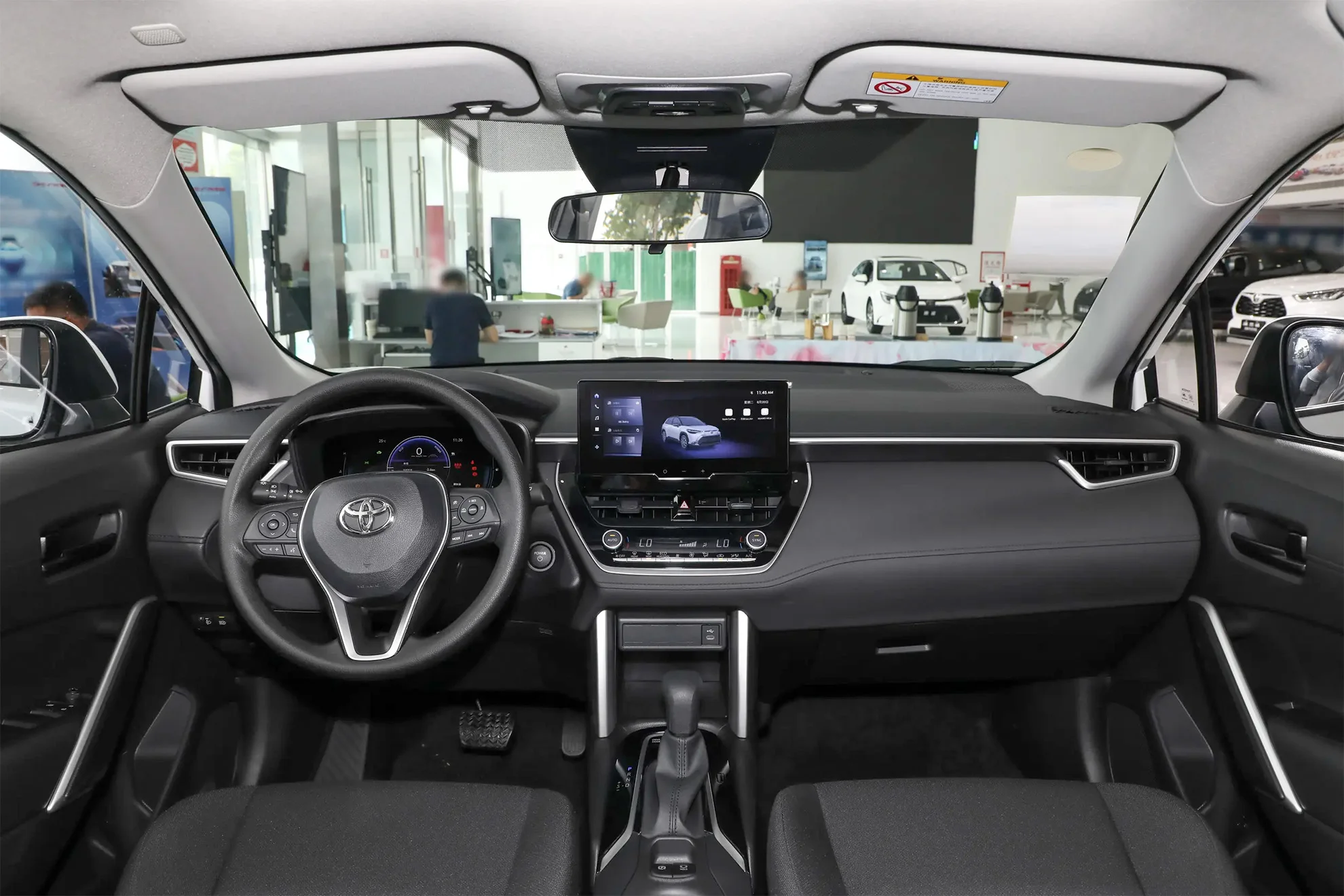
Buying a used Toyota RAV4 Hybrid can be a smart choice for drivers who want fuel efficiency, strong resale value, and everyday reliability.
However, one of the most important parts of any pre-owned RAV4 Hybrid purchase is the battery inspection. The hybrid battery pack is a critical
component, and understanding how to evaluate it before buying can help reduce risk, avoid costly surprises, and support a better long-term ownership experience.
This guide provides an SEO-friendly, industry-focused overview of used RAV4 Hybrid battery inspection, including a buyer checklist,
key inspection points, battery terminology, symptoms of wear, performance considerations, and a clear table of common specifications and evaluation
factors. It is written for blog pages, service directories, informational landing pages, and hybrid vehicle resource sections.
The hybrid battery in a RAV4 Hybrid supports the vehicle’s electric motor assist, regenerative braking, and fuel-saving operation. While Toyota hybrid
systems are known for durability, a used vehicle may still show battery degradation, inconsistent charging behavior, or past repair history. Because the
battery pack is one of the most expensive hybrid components, a careful inspection is essential before purchase.
A proper RAV4 Hybrid battery inspection helps a buyer:
In short, the battery is not just another component; it is a core part of hybrid functionality. A detailed inspection supports better buying decisions and
helps protect the total cost of ownership.
A hybrid battery is a high-voltage energy storage system that works with the gasoline engine and electric motor. In the RAV4 Hybrid, the battery stores
energy captured through regenerative braking and assists the powertrain when acceleration, efficiency, or low-speed electric support is needed.
Unlike a conventional 12V starter battery, a hybrid battery is designed for repeated charge-and-discharge cycling. It is engineered for long service life,
but like all batteries, it gradually loses capacity over time. Heat, age, mileage, driving habits, and storage conditions can all affect battery health.
A used RAV4 Hybrid buyer should understand a few core terms:
| Term | Meaning | Why It Matters |
|---|---|---|
| Battery Capacity | The amount of energy the battery can store and deliver. | Lower capacity can reduce electric assist and efficiency. |
| State of Health (SOH) | A measure of how well the battery performs compared with original condition. | Useful for estimating remaining battery life. |
| State of Charge (SOC) | The current charge level of the battery. | Shows how the battery is charged at a specific time. |
| Voltage Imbalance | A difference in voltage between battery modules or cells. | Can indicate wear, weak modules, or potential failure. |
| Thermal Management | The system that controls battery temperature. | Overheating can shorten battery life. |
A battery does not always fail suddenly. In many cases, it shows warning signs that a buyer can observe during a test drive, visual inspection, or diagnostic
scan. Recognizing these signs early can make the difference between a good purchase and an expensive repair.
If the vehicle’s fuel economy is noticeably worse than expected for a RAV4 Hybrid, the battery may not be assisting as effectively. While mileage alone does
not prove battery damage, it can be an early indicator of reduced hybrid system efficiency.
A healthy hybrid system typically balances engine and electric operation smoothly. If the gasoline engine starts and stops too often or seems to run more
than expected, the battery may not be supplying enough support.
Slow response during acceleration, poor low-speed electric assist, or a general lack of smooth power delivery may point to battery wear or related hybrid
system issues.
Hybrid warning lights, check engine lights, battery system alerts, or master warning indicators should never be ignored. Even if the vehicle still drives,
the issue may need diagnostic attention before purchase.
An unusually loud battery cooling fan can suggest high internal temperatures or a cooling system working harder than normal. This may happen due to dust,
blockage, heavy battery use, or internal battery stress.
If the charge level appears to rise or fall quickly, or if the battery gauge behaves erratically, the pack may be weak or unbalanced.
Hybrid batteries are especially important in city driving and traffic conditions. If the vehicle feels less efficient or more dependent on the engine in
these conditions, battery condition should be checked carefully.
The following checklist is designed for buyers, used car shoppers, and anyone evaluating a pre-owned RAV4 Hybrid. It covers the most important battery
inspection steps and can be used before purchase or during a pre-sale evaluation.
| Inspection Item | What to Check | Pass / Concern Indicator |
|---|---|---|
| Dashboard Warning Lights | Look for hybrid system alerts, check engine light, or battery warnings. | Any warning light requires deeper inspection. |
| Start-Up Behavior | Observe whether the system starts smoothly without unusual hesitation. | Smooth start is normal; delays or instability may be a concern. |
| Idle and Low-Speed Operation | Check whether the vehicle transitions properly between electric and engine power. | Frequent engine running may suggest battery weakness. |
| Battery Cooling Fan | Listen for excess fan noise or continuous high-speed operation. | Normal background sound is acceptable; loud or constant noise is a concern. |
| Charging/Discharging Pattern | Observe how quickly the battery charges and discharges during driving. | Stable, gradual changes are typical; erratic swings are a concern. |
| Diagnostic Scan | Check for hybrid-related fault codes and battery data. | No codes is a better sign; stored codes need review. |
| Battery Housing Condition | Look for damage, corrosion, leaks, or evidence of repair. | Clean and intact housing is preferred. |
| Service Records | Review maintenance and repair history related to the hybrid system. | Documented service is a positive indicator. |
| Cabin Air Intake Area | Inspect for blockage around battery cooling airflow paths. | Clear airflow supports better battery temperature control. |
| Road Test Performance | Test acceleration, regeneration, and steady driving behavior. | Consistent performance suggests healthier battery operation. |
Begin with the vehicle’s background. Check mileage, age, accident history, maintenance records, and whether any hybrid repairs have been performed.
A battery in a high-mileage vehicle may still be serviceable, but history helps estimate wear and risk.
Inspect the visible battery-related areas for signs of damage, corrosion, water intrusion, loose connections, or poor previous work. Although the hybrid
battery pack is not always fully visible, associated wiring, vents, and access points can provide useful clues.
Turn the vehicle on and look for warning lights or unusual system messages. A healthy hybrid should not display battery-related faults. If warning lights
appear, the vehicle should be scanned for diagnostic trouble codes.
During a test drive, note how often the engine runs, how the battery charge changes, and whether the system feels smooth. A healthy battery should support
normal hybrid operation without obvious hesitation or instability.
A hybrid-specific scan tool can reveal valuable battery data such as voltage readings, module balance, fault codes, temperature values, and charge/discharge
behavior. This is one of the most important steps in a serious pre-purchase inspection.
Battery temperature has a major impact on long-term health. Confirm that cooling vents are unobstructed and that the cooling fan operates properly. Dust,
pet hair, or blockage may reduce cooling performance and accelerate battery wear.
Compare what you see with normal hybrid operation. A RAV4 Hybrid should transition smoothly between EV assist and engine power, maintain steady battery
behavior, and avoid repeated warning signals. If the battery seems unstable, a deeper inspection is recommended.
Not all battery issues are easy to see. In many cases, buyers must rely on measurable indicators of health. These indicators help determine whether a used
RAV4 Hybrid battery is in acceptable condition or starting to decline.
| Indicator | What It Shows | Interpretation |
|---|---|---|
| State of Health (SOH) | Battery condition relative to new performance. | Higher SOH generally means better remaining life. |
| Module Balance | Consistency among battery modules. | Good balance suggests healthier battery performance. |
| Internal Resistance | How easily the battery delivers power. | Higher resistance can mean aging or wear. |
| Temperature Spread | Difference between battery temperature readings. | Large differences may signal cooling or module issues. |
| Fault Code History | Past and present hybrid system errors. | Recurring codes may indicate an ongoing problem. |
Battery longevity depends on several variables. Two used RAV4 Hybrid vehicles with similar mileage can have very different battery conditions depending on
how they were driven and maintained.
Hot climates can place more thermal stress on hybrid batteries. Extreme heat often accelerates aging, while very cold conditions can temporarily reduce
performance and charging efficiency.
Frequent hard acceleration, repeated short trips, and constant stop-and-go driving can increase battery workload. Smooth driving and regular use often
support more stable hybrid performance.
Long periods of inactivity, especially in poor environmental conditions, can affect battery balance and long-term health. Proper storage and regular
operation are generally beneficial.
Clean cooling systems, timely service, and attention to warning signs all contribute to better battery life. A vehicle with consistent maintenance records
is usually a safer buy.
Both matter. A lower-mileage older vehicle may still show age-related battery decline, while a higher-mileage vehicle with excellent maintenance may perform
better than expected. Buyers should evaluate both time and usage.
When inspecting a used RAV4 Hybrid battery, professional or advanced diagnostic methods provide the most reliable results. These methods help identify
problems that are not visible from the outside.
These methods are especially useful when a buyer wants more than a basic visual check. Diagnostic results can support a clearer understanding of battery
health and help estimate remaining service life.
The following table summarizes common battery inspection specifications and evaluation points for used RAV4 Hybrid buyers. Exact values may vary by model
year, battery design, and diagnostic tool used.
| Specification / Factor | Typical Buyer Focus | Why It Matters |
|---|---|---|
| Battery Type | Hybrid traction battery | Core energy source for electric assist and regeneration. |
| Operating System | Hybrid-electric powertrain | Battery works with engine and electric motor together. |
| Inspection Type | Visual, diagnostic, and road test | Combines physical and electronic evaluation. |
| Primary Risk | Capacity loss and imbalance | These issues can reduce performance and fuel efficiency. |
| Key Warning Signs | Lights, codes, weak assist, unusual fan noise | These may indicate wear or fault conditions. |
| Important Data Points | SOH, SOC, voltage, temperature, resistance | Useful for evaluating battery condition. |
| Inspection Priority | High | Battery condition strongly affects vehicle value and reliability. |
| Buyer Recommendation | Always inspect before purchase | Reduces risk of unexpected repair costs. |
Asking the right questions can reveal whether a used RAV4 Hybrid has been properly cared for. Buyers should consider the following:
Clear answers and documented maintenance history can improve buyer confidence. If answers are vague or incomplete, a more detailed inspection becomes even
more important.
A thorough inspection offers several practical benefits. It helps buyers understand the true value of the vehicle and avoid assuming that all hybrid systems
are in perfect condition simply because the car runs normally.
For many shoppers, the inspection is not just a technical step. It is part of making an informed financial decision. In the used hybrid market, knowledge
of battery condition can be just as important as exterior condition or mileage.
The following warning signs do not always mean battery failure, but they do justify deeper investigation before buying.
| Red Flag | Possible Meaning | Buyer Action |
|---|---|---|
| Repeated warning lights | Stored or active hybrid system fault | Scan the vehicle and review codes. |
| Strong fan noise | Cooling system stress or heat load | Check cooling vents and temperature data. |
| Slow electric assist | Battery may not be delivering full support | Perform road testing and battery diagnostics. |
| Rapid SOC swings | Weak or imbalanced battery pack | Inspect module balance and battery health metrics. |
| Unknown repair history | Possible previous battery or hybrid damage | Request records and inspect carefully. |
A buyer can use this guide at several stages of the purchase process. During online research, it helps identify which questions to ask. During physical
inspection, it helps spot obvious battery-related issues. During a test drive, it helps observe performance under real conditions. Before final purchase,
it helps support a decision based on actual battery condition rather than appearance alone.
For best results, combine three layers of review:
This layered approach offers a more complete picture than any single check by itself.
The following keyword themes are commonly associated with this topic and can support search visibility when used naturally in page content:
When building SEO content, it is best to use these phrases in a natural, helpful way. Search engines prefer content that answers real questions clearly,
supports user intent, and includes structured information such as checklists, tables, and definitions.
A used RAV4 Hybrid battery inspection is one of the most important steps in evaluating a pre-owned hybrid SUV. Even a well-maintained vehicle should be
checked for battery health, cooling performance, system codes, and driving behavior. Because the battery plays a central role in hybrid operation, its
condition directly affects reliability, fuel economy, and ownership cost.
Buyers who use a structured checklist, ask the right questions, and review diagnostic data are better prepared to make an informed decision. Whether the
vehicle is being considered for daily commuting, family travel, or long-term ownership, battery inspection should be treated as a priority, not an
afterthought.
In the used vehicle market, knowledge creates value. A careful used RAV4 Hybrid battery inspection helps buyers compare vehicles accurately,
avoid unnecessary risk, and choose a hybrid SUV with stronger confidence.
This website uses cookies to ensure you get the best experience on our website.



 Phone
Phone
Comment
(0)