

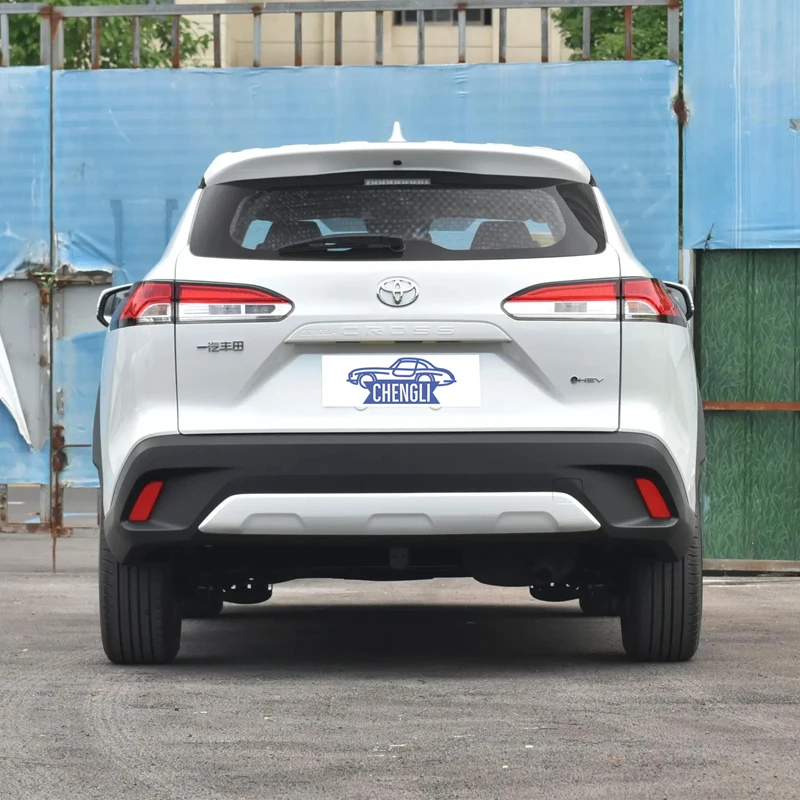
If you are searching for used Toyota cars for Nigeria, you are not alone. Toyota remains one of the most trusted vehicle brands in the Nigerian market because of its durability, fuel efficiency, affordable maintenance, and strong resale value. Whether you are an individual buyer, car dealer, fleet operator, or importer, understanding the right Toyota models for Nigeria, the required documents, and the shipping process is essential for a smooth purchase and import experience.
This guide provides clear, SEO-friendly, and industry-focused information about used Toyota cars for Nigeria. It covers popular models, import documents, inspection requirements, shipping methods, customs considerations, and key specifications in a format that can be used directly for blogs, directory pages, or automotive industry pages. The content is general and does not recommend any specific company.
Toyota vehicles are widely preferred in Nigeria for several reasons. First, the brand is known for reliability and long-term durability, which is especially important for roads and driving conditions common in many Nigerian cities and highways. Second, Toyota models typically have widely available spare parts, making repairs and maintenance easier and more affordable. Third, used Toyota cars often retain strong resale value, which is attractive for both personal users and car dealers.
Another major advantage is the variety of Toyota models available in the used-car market. Buyers can choose from compact sedans, family SUVs, commercial vans, and luxury options depending on budget and purpose. This flexibility makes Toyota one of the most searched brands for anyone looking for used cars for Nigeria.
| Key Advantage | Why It Matters in Nigeria |
|---|---|
| Durability | Built to last and suitable for frequent use |
| Easy Maintenance | Parts and mechanics are widely available |
| Fuel Efficiency | Helps reduce daily running costs |
| Strong Resale Value | Useful for future selling or trade-in |
| Model Variety | Options for personal, family, and commercial use |
Below are some of the most popular Toyota used car models for Nigeria. These models are commonly imported because they balance affordability, reliability, fuel economy, and performance. The best choice depends on your budget, purpose of use, passenger capacity needs, and preference for sedan, SUV, or commercial vehicle.
The Toyota Corolla is one of the most widely imported sedans into Nigeria. It is popular because of its low fuel consumption, simple maintenance, and dependable performance. Many Nigerian buyers choose the Corolla for personal transportation, ride-hailing, and daily commuting.
The Toyota Camry is another highly sought-after model in the Nigerian used-car market. It offers a comfortable cabin, strong engine options, and excellent resale value. The Camry is often preferred by families, professionals, and buyers looking for a mid-size sedan with a premium feel.
The Toyota RAV4 is a compact SUV that has become increasingly popular in Nigeria. It provides a good balance between passenger comfort, cargo space, and road presence. It is a strong choice for buyers who need an SUV suitable for city and highway driving.
The Toyota Highlander is a midsize SUV favored by families and business users. It offers more space than the RAV4 and is suitable for those who need a comfortable vehicle for larger groups. Its durability and reputation make it a common option in the used Toyota market.
The Toyota Venza combines style, comfort, and efficiency. It appeals to buyers who want a crossover with modern features and a smooth driving experience. It is commonly selected by urban buyers who prefer a refined vehicle design.
The Toyota Sienna is a minivan known for its passenger capacity and practicality. It is often used by large families, transport businesses, and organizations that need reliable people-mover vehicles. The Sienna is valued for comfort, space, and dependable operation.
The Toyota Hilux is a pickup truck that is highly respected in Nigeria for its strength and ruggedness. It is commonly used for commercial work, site operations, transport of goods, and off-road tasks. It is one of the most dependable choices for buyers needing a utility vehicle.
| Model | Vehicle Type | Main Strengths | Best For |
|---|---|---|---|
| Toyota Corolla | Sedan | Fuel economy, low maintenance | Daily commuting, first-time buyers |
| Toyota Camry | Sedan | Comfort, resale value, engine performance | Families, professionals |
| Toyota RAV4 | Compact SUV | Versatility, road clearance | Urban and highway driving |
| Toyota Highlander | Midsize SUV | Space, comfort, reliability | Families, group travel |
| Toyota Venza | Crossover | Style, efficiency, smooth drive | Modern lifestyle buyers |
| Toyota Sienna | Minivan | Passenger space, practicality | Large families, transport use |
| Toyota Hilux | Pickup | Strength, cargo capacity, durability | Commercial and utility use |
Before purchasing any used Toyota car for Nigeria, it is important to review the vehicle condition carefully. A good-looking car does not always mean it is mechanically sound. Buyers should inspect the mileage, service history, accident records, body condition, engine performance, transmission type, and interior wear. These checks help reduce the risk of costly repairs after import or local purchase.
Buyers should also confirm whether the vehicle is right-hand drive or left-hand drive depending on the destination market rules. For Nigeria, right-hand drive vehicles are generally preferred under local driving conditions and import expectations. It is also wise to verify the model year, trim level, and whether the car has been flood-damaged, rebuilt, or heavily modified.
| Inspection Item | What to Look For | Why It Matters |
|---|---|---|
| Mileage | Reasonable usage relative to age | Helps estimate wear and remaining lifespan |
| Engine Condition | Smooth start, no unusual noises | Affects performance and repair cost |
| Transmission | Clean gear changes, no slipping | Transmission repairs can be expensive |
| Body and Frame | No major dents, rust, or accident damage | Important for safety and resale value |
| Interior Condition | Seats, dashboard, electronics, A/C | Impacts comfort and vehicle quality |
| Service History | Records of oil changes and repairs | Shows how well the vehicle was maintained |
Importing used Toyota cars into Nigeria requires proper documentation. Missing or incomplete documents can delay customs clearance, increase storage charges, or cause compliance issues. While exact requirements may vary by shipping route and regulatory updates, the following documents are commonly used in the import process.
It is important to keep copies of every document and verify that the chassis number, engine number, make, model, and year listed on the paperwork match the actual vehicle. Any mismatch can cause customs delays or penalties.
When shipping a used Toyota car to Nigeria, buyers typically choose between two main shipping methods: container shipping and RoRo shipping (Roll-on/Roll-off). Each method has advantages depending on budget, protection needs, and vehicle type.
Container shipping places the vehicle inside a sealed container for transport. This method offers higher protection against weather, handling damage, and theft. It is often preferred for high-value cars, multiple-vehicle shipments, or buyers who want extra security during transit.
RoRo shipping involves driving the vehicle onto a cargo ship and unloading it at the destination port. It is usually more cost-effective than container shipping and is suitable for standard used cars that are in working condition.
| Shipping Method | Advantages | Disadvantages | Best For |
|---|---|---|---|
| Container Shipping | Better protection, secure transport | Usually more expensive | High-value vehicles, added safety |
| RoRo Shipping | Lower cost, simple process | Less protection from external elements | Standard driveable vehicles |
The shipping process for used Toyota cars for Nigeria usually follows a standard sequence. First, the buyer selects the vehicle and confirms availability. Next, payment is completed and export documents are prepared. After that, the vehicle is inspected and delivered to the shipping terminal. Once shipped, the bill of lading is issued and the vehicle moves to the destination port in Nigeria.
After arrival, the vehicle goes through customs clearance, document verification, duties assessment, and final release. Buyers should plan for possible port charges, terminal fees, inland transport, and local registration costs. These are all part of the total landed cost of importing a used car.
| Step | Description |
|---|---|
| 1. Vehicle Selection | Choose the right Toyota model, year, and condition |
| 2. Document Preparation | Collect title, invoice, export papers, and other records |
| 3. Export Inspection | Confirm the car is ready for shipment |
| 4. Shipping | Send the vehicle by RoRo or container |
| 5. Arrival in Nigeria | Vehicle arrives at the port for processing |
| 6. Customs Clearance | Pay duties and complete release formalities |
| 7. Delivery | Move the car to its final destination |
Anyone importing used Toyota cars to Nigeria should understand that customs rules, import duties, and valuation procedures can change. Importers should stay updated on current Nigerian import regulations, port charges, and vehicle age restrictions if applicable. Compliance is important to avoid delays, penalties, or seizure.
The vehicle’s year of manufacture, engine size, and declared value can all affect the final cost. Buyers should budget for customs duty, levy, inspection charges, shipping cost, insurance, and local logistics. Since these charges can add up quickly, it is advisable to calculate the total landed cost before purchase.
The price of a used Toyota car depends on many factors. These include the model, trim level, mileage, condition, fuel type, year of manufacture, accident history, and market demand. Popular models such as the Corolla, Camry, RAV4, and Highlander may command different prices based on how clean and well-maintained they are.
Shipping method also affects cost. Container shipping usually costs more than RoRo shipping, while insurance and customs charges can vary based on declared value and port regulations. Buyers looking for a budget-friendly import should compare total landed cost rather than only the vehicle purchase price.
| Price Factor | Effect on Final Cost |
|---|---|
| Model Popularity | High-demand models may cost more |
| Vehicle Condition | Cleaner cars usually sell at higher prices |
| Mileage | Lower mileage can increase value |
| Shipping Method | Container shipping generally costs more |
| Customs Duties | Can significantly raise landed cost |
| Market Demand | Popular models may be priced higher in Nigeria |
When evaluating used Toyota cars for Nigeria, many buyers compare technical specifications to determine whether a vehicle fits their needs. Key points include engine size, fuel type, drivetrain, seating capacity, transmission, and body style. These details help buyers choose between a fuel-saving sedan and a larger SUV or utility model.
| Specification | What Buyers Often Check | Why It Matters |
|---|---|---|
| Engine Size | 1.3L, 1.8L, 2.0L, 3.5L, etc. | Affects power and fuel use |
| Fuel Type | Petrol or hybrid | Impacts running cost |
| Transmission | Automatic or manual | Influences driving comfort |
| Body Style | Sedan, SUV, crossover, pickup | Determines practicality and use case |
| Seating Capacity | 5, 7, or more seats | Important for family or business use |
| Drivetrain | FWD, AWD, or 4WD | Relevant for road conditions and stability |
Many buyers make avoidable mistakes when searching for used Toyota cars for Nigeria. One common mistake is focusing only on the purchase price and ignoring shipping, customs, and delivery costs. Another mistake is buying a vehicle without checking service records, accident history, or export eligibility. Some buyers also fail to confirm the car’s actual condition before payment.
To reduce risk, always compare total cost, inspect the documents, verify the chassis number, and understand the shipping and customs process before committing to a purchase. This is especially important for first-time importers.
Search demand for used Toyota cars for Nigeria often centers around a few high-demand models. These vehicles are frequently researched because they combine practicality, availability, and strong market acceptance in Nigeria. While preferences can vary by region and buyer type, the following models are consistently in demand:
Used Toyota cars for Nigeria continue to be a smart choice for buyers who value reliability, fuel efficiency, strong resale value, and easy maintenance. With the right model selection, proper documentation, and a clear understanding of the shipping process, importing a Toyota can be a practical and profitable decision. Whether you are looking for a sedan, SUV, minivan, or pickup, Toyota offers a wide range of used vehicles that fit different budgets and needs in the Nigerian market.
For the best results, always review the vehicle condition, confirm the paperwork, compare shipping methods, and calculate the full landed cost before purchase. This approach helps ensure a smooth import process and long-term satisfaction with your vehicle.
```
This website uses cookies to ensure you get the best experience on our website.



 Phone
Comment
(0)