

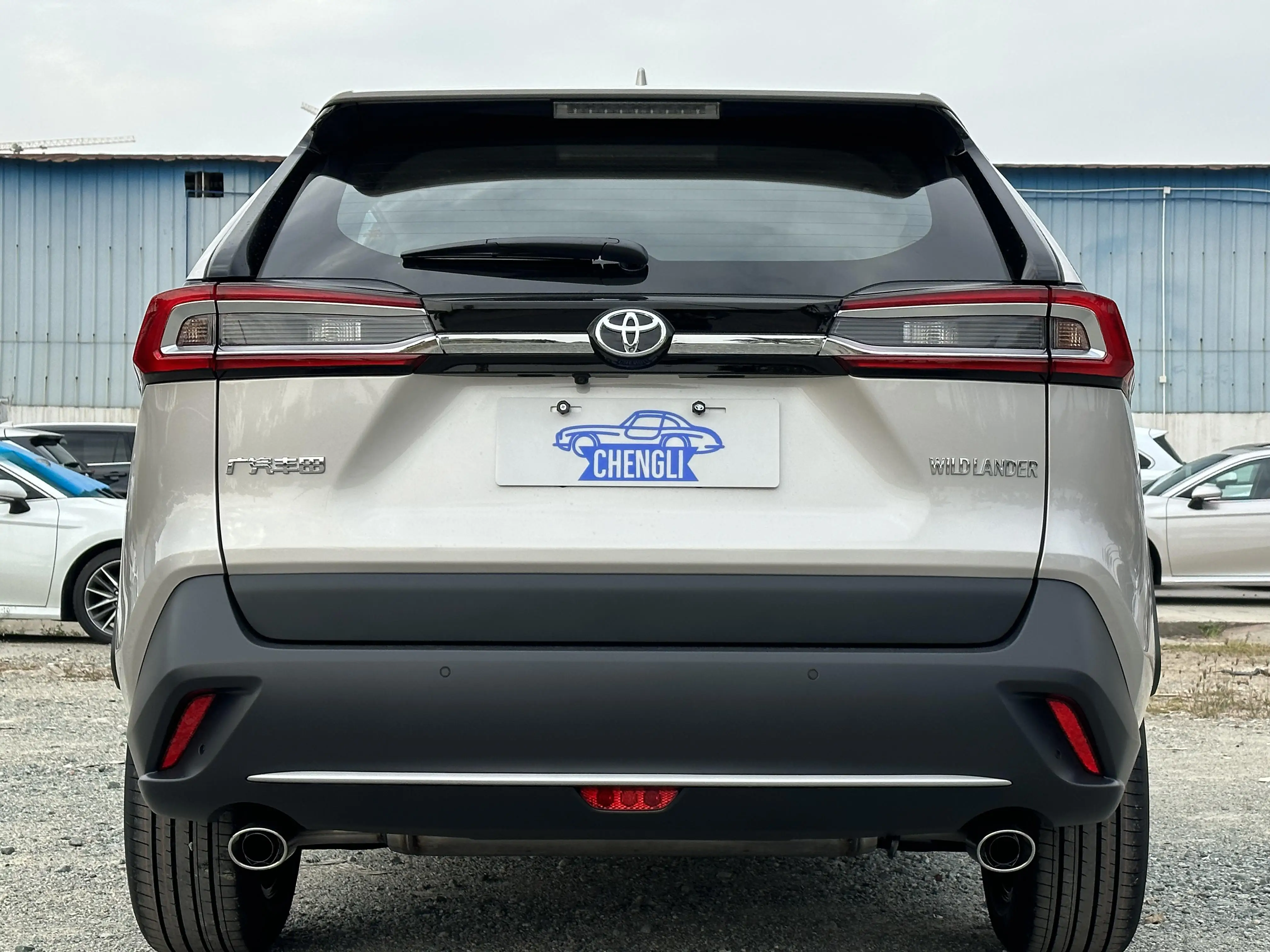
The used Toyota Corolla for export remains one of the most searched and traded vehicles in the global pre-owned car market.
Dealers, wholesalers, importers, and export brokers value the Corolla because it is known for low operating costs, strong reliability, easy maintenance, and broad international demand.
For businesses involved in vehicle export, the Toyota Corolla is more than just a popular model—it is a consistently liquid asset that can move quickly across markets when sourced, inspected, priced, and documented correctly.
This dealer buying guide provides industry-focused information about the used Toyota Corolla for export, including key benefits, common specifications, buying criteria, inspection points, shipping considerations, and market-positioning tips.
It is written for export-related pages, SEO blog content, dealership resource pages, and automotive directory listings.
The content is general and does not recommend any specific company, keeping the focus on universal export knowledge that can support search visibility and buyer education.
The Toyota Corolla has built a strong international reputation over multiple generations. Its popularity in the export market comes from a combination of mechanical simplicity, fuel efficiency, affordable parts availability, and proven durability.
In many importing countries, buyers prefer vehicles that are easy to maintain, economical to run, and reliable for daily use. The Corolla meets these expectations in a wide range of trims and model years.
For export dealers, the Corolla offers several practical advantages. It is widely recognized by end users, which supports faster resale. It is available in large quantities in many markets, which improves sourcing flexibility.
It also comes in numerous configurations, allowing dealers to match vehicle condition and specification to the target country’s demand profile. Whether the market prefers compact sedans, automatic transmissions, or low-mileage gasoline models, the Corolla often fits the requirement.
From a commercial standpoint, the used Toyota Corolla for export is often considered a low-risk inventory option. The model is broadly accepted across regions such as Africa, the Caribbean, the Middle East, Southeast Asia, and parts of Latin America.
This cross-border demand helps reduce holding time and improves turnover potential for dealers.
| Dealer Advantage | Why It Matters in Export Trade |
|---|---|
| High global demand | Supports faster resale and easier market placement |
| Affordable maintenance | Appeals to end users seeking low total ownership cost |
| Widely available parts | Improves confidence among importers and local mechanics |
| Fuel efficiency | Strong selling point in markets where fuel prices matter |
| Multiple model years and trims | Allows dealers to tailor stock to different buyer segments |
| Brand trust | Reduces buyer hesitation and supports repeat purchases |
The export market for the Toyota Corolla is geographically diverse. Different regions prioritize different model years, engine sizes, and transmission types, but the Corolla remains broadly accepted because it is dependable and familiar.
Dealers typically assess destination-country preferences before purchasing inventory for export.
In many African markets, buyers focus on durability, ground clearance, and fuel economy. In the Caribbean and Central America, compact size and easy maintenance are often important.
In the Middle East and some Asian markets, newer model years, cleaner interiors, and automatic transmissions may be more desirable. Understanding these patterns is essential when buying a used Toyota Corolla for export.
The Corolla has evolved across many generations, so export specifications vary by year and region. However, dealers often work with a general set of features that appear repeatedly in the used vehicle market.
The following table summarizes common specification categories that buyers and exporters review when evaluating a used Toyota Corolla for export.
| Specification Category | Typical Export Range | Dealer Notes |
|---|---|---|
| Body style | Sedan, hatchback, wagon in some markets | Sedan is the most widely exported configuration |
| Engine size | 1.2L to 2.0L, depending on model year and market | Smaller engines often attract fuel-conscious buyers |
| Transmission | Manual or automatic | Automatic models are often easier to place in urban markets |
| Fuel type | Petrol/gasoline, with some diesel or hybrid variants in select markets | Gasoline models remain the most universally accepted |
| Drive type | Front-wheel drive | Common across most Corolla variants |
| Seating | 5 seats | Standard family and commercial use capacity |
| Fuel economy | Generally strong, model-dependent | One of the main selling points in export listings |
| Condition grades | Clean title, used, refurbished, or auction-grade | Condition transparency is critical for export trust |
Dealers buying a used Toyota Corolla for export should evaluate more than just price. A successful export purchase requires a balance of mechanical condition, market suitability, documentation quality, and shipping readiness.
Because export customers often compare multiple listings, the dealer who presents the most accurate and well-documented inventory usually has a competitive advantage.
The first factor is vehicle condition. Exterior appearance matters, but the mechanical condition is more important for long-term satisfaction.
Buyers in export markets often cannot inspect vehicles in person, so exporters must rely on detailed reporting, photos, and honest condition descriptions.
The second factor is demand matching. Even a good Corolla can be difficult to sell if it does not meet the requirements of the destination market.
The third factor is documentation. Export vehicles should have clean, verifiable paperwork whenever possible.
The fourth factor is shipment efficiency. A car that is easy to load, store, and transport may reduce logistical costs and improve profit margins.
When sourcing a used Toyota Corolla for export, inspection should be systematic. The following checklist helps dealers identify issues before purchase and reduce post-sale disputes.
| Inspection Area | What to Check | Why It Matters |
|---|---|---|
| Engine | Start-up behavior, noise, leaks, smoke | Indicates mechanical health and maintenance quality |
| Transmission | Shifting smoothness, hesitation, fluid condition | Transmission repairs can be costly in export markets |
| Suspension | Noise, bounce, uneven tire wear | Impacts ride comfort and driving safety |
| Brakes | Pad wear, rotor condition, response | Essential for safe road use after import |
| Body condition | Rust, dents, repainting, frame alignment | Influences cosmetic value and structural reliability |
| Interior | Upholstery, dashboard, odor, electronics | Impacts buyer perception and resale value |
| Odometer | Mileage consistency and service records | Helps verify usage and expected wear |
| Tires and wheels | Tread depth, matching set, wheel damage | Can affect landing cost and reconditioning expenses |
| Electrical systems | Lights, windows, locks, AC, infotainment | Important for comfort and full vehicle functionality |
The Corolla has been produced in multiple generations, and each generation has different export appeal.
Older models may be attractive in price-sensitive markets where simplicity and affordability are the main priorities. Newer models may command higher prices due to improved safety features, better styling, and stronger fuel economy.
Export dealers should not assume that newer automatically means better for every market. In some destinations, buyers prefer older Corolla models because they are easier to repair and are already familiar to local mechanics.
In other markets, strict emissions requirements or consumer expectations may favor later model years. The ideal buying strategy depends on destination demand, not just year of production.
End users around the world often choose the Corolla for practical reasons. These motivations are useful for dealers because they help shape listing descriptions, sales copy, and inventory selection.
| Buyer Priority | How the Corolla Fits |
|---|---|
| Low fuel consumption | Corolla models are generally efficient for daily transport |
| Reliability | Known for durable engineering and long service life |
| Easy maintenance | Common parts and broad repair knowledge simplify ownership |
| Affordability | Used Corolla units often sit in an accessible price range |
| Comfort | Offers practical seating and a smooth everyday driving experience |
| Resale value | Brand recognition supports future resale potential |
Proper documentation is essential in the export trade. Dealers handling a used Toyota Corolla for export should ensure the vehicle’s paperwork is complete, consistent, and compliant with the destination market’s import rules.
Documents vary by country, but exporters commonly need ownership records, export certificates, inspection reports, and shipping documents.
Documentation helps reduce delays, customs problems, and buyer disputes. It also supports trust. In online export trade, where many deals are made remotely, document accuracy can be just as important as vehicle condition.
A Corolla with clear paperwork is easier to market and usually easier to sell.
Exporting a used Toyota Corolla requires attention to shipping method, vehicle preparation, and port handling. Most units are shipped in containers or via roll-on/roll-off services, depending on the destination and deal structure.
The chosen method affects cost, risk exposure, and transit time.
Before shipping, exporters typically remove personal items, verify fuel levels, secure the battery if required, and confirm the vehicle is clean and drive-ready.
Some buyers prefer container shipping because it offers more protection, while others choose RoRo for lower cost and faster processing.
Either way, the dealer should account for transportation, port fees, insurance, and destination charges when setting export prices.
The export price of a used Toyota Corolla is shaped by several variables. Understanding these variables helps dealers buy better and quote more accurately.
| Pricing Factor | Impact on Export Value |
|---|---|
| Model year | Newer units usually sell at a higher price |
| Mileage | Lower mileage generally improves market value |
| Condition | Clean, well-maintained vehicles attract stronger bids |
| Trim level | Better-equipped versions may command premiums in certain markets |
| Transmission type | Automatic or manual preference varies by destination |
| Market demand | High demand in the destination country supports stronger pricing |
| Shipping costs | Higher logistics costs affect landed pricing and buyer affordability |
| Paperwork status | Complete, clean documentation improves buyer confidence |
To maximize success with the used Toyota Corolla for export, dealers should focus on inventory quality, transparency, and market alignment. Buying the cheapest vehicle is not always the best strategy if it increases reconditioning costs or causes post-sale issues.
Dealers often benefit from building a clear sourcing checklist. This includes preferred model years, mileage thresholds, engine preferences, and acceptable cosmetic standards.
A defined buying strategy makes inventory more predictable and helps maintain reputation in the export market.
Accurate descriptions, clear photos, and realistic condition grading also improve conversion rates.
For directory pages, blog articles, and export landing pages, keyword variety helps support organic visibility. The following phrases are relevant to industry content about the used Toyota Corolla for export.
| Primary Keyword | Related Search Terms |
|---|---|
| used Toyota Corolla for export | Toyota Corolla export cars, used Corolla dealers, Corolla shipping, Corolla import vehicle |
| Toyota Corolla export buyer guide | export used Corolla, Corolla wholesale, Corolla inspection checklist |
| used Toyota Corolla dealer guide | Corolla buying tips, export inventory, Corolla market demand |
| Toyota Corolla used car export | used sedan export, reliable export cars, Toyota export market |
Why is the used Toyota Corolla popular in export markets?
Because it combines reliability, affordability, strong fuel economy, and easy maintenance with broad international brand recognition.
Which Corolla body style is most common for export?
The sedan is generally the most common export body style, although hatchback variants may also be requested in some markets.
What should dealers inspect before exporting a Corolla?
Dealers should review the engine, transmission, body, suspension, brakes, interior, mileage, tires, and documentation.
Does the best export model year depend on the destination?
Yes. Market preference, import regulations, and local demand can all influence which model year is most suitable.
The used Toyota Corolla for export continues to be one of the strongest choices in the global used car trade.
Its appeal comes from a rare combination of reliability, affordability, easy maintenance, and broad buyer trust.
For dealers and exporters, this makes the Corolla a practical inventory option with strong resale potential when sourced correctly and positioned for the right destination market.
Successful export trade depends on more than brand recognition. Dealers should evaluate vehicle condition, demand patterns, documentation, logistics, and pricing structure before purchase.
When those factors are managed carefully, the Corolla can remain a steady, profitable, and marketable export vehicle across multiple regions.
```
If you want, I can also provide:
1. a more keyword-optimized version for stronger SEO,
2. a directory-page version with shorter paragraphs and more tables,
3. or a full 3000+ word version with H2/H3 structure and FAQ schema-ready formatting.
This website uses cookies to ensure you get the best experience on our website.



 Phone
Phone
Comment
(0)