

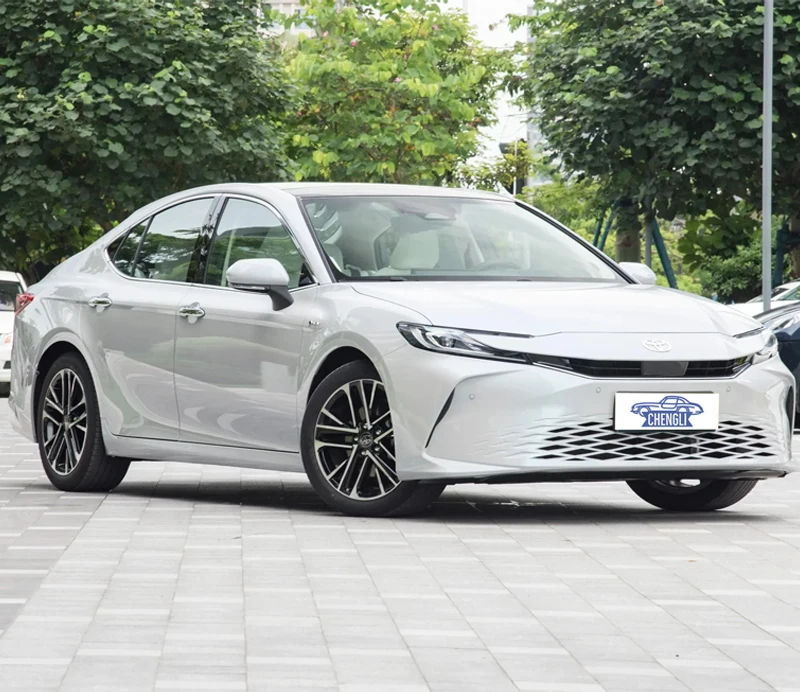
Buying a used Toyota for export can be a smart, cost-effective decision for importers, dealers, fleet buyers, and private customers.
However, the vehicle itself is only part of the process. The most important part of a successful export transaction is the documentation.
Proper used Toyota export documents help buyers verify ownership, confirm vehicle identity, meet customs requirements,
clear port inspections, and register the car in the destination country without avoidable delays.
This complete buyer checklist explains the essential paperwork, document definitions, common export requirements, and practical
best practices for purchasing and shipping a used Toyota. The guide is written for general industry use and does not recommend any
specific company or service provider. It is designed to support SEO-friendly publishing, blog use, directory pages,
and informational automotive content.
Used Toyota export documents are the official records required to prove a vehicle’s identity, ownership history,
de-registration status, inspection condition, and eligibility for international shipment. These documents are used by exporters,
freight forwarders, customs brokers, import agents, and registration offices to process a used Toyota legally and efficiently.
In most export transactions, documentation is just as important as the vehicle condition report. A Toyota can be mechanically sound,
but if the export paperwork is incomplete, inconsistent, or missing key details, the transaction may face delays, higher costs, or
rejection at customs. For that reason, buyers should treat paperwork as a core part of the purchasing decision.
Export documents are essential because they establish trust, traceability, and compliance. For used Toyota exports, these records
help confirm that the car is legitimate, not stolen, not wrongly described, and ready for shipment abroad. They also support buyer
protection, especially when purchasing remotely or through cross-border trade channels.
In short, the right paperwork protects the buyer, the seller, and the shipping process. For anyone searching for
used Toyota export documents, understanding the checklist below is the best way to reduce risk.
The following checklist covers the most commonly requested documents in the used Toyota export process. Requirements vary by country,
shipping route, vehicle age, and local import regulations, but these items form the foundation of a well-prepared export file.
| Document | Purpose | Buyer Should Check | Common Risk if Missing |
|---|---|---|---|
| Commercial Invoice | Shows sale price, vehicle description, and transaction details | Seller name, buyer name, VIN/chassis number, amount, currency | Customs delays, valuation issues |
| Export Certificate / De-registration Certificate | Proves the vehicle is legally removed from domestic registration | Chassis number, date of de-registration, official stamp | Import rejection, ownership problems |
| Vehicle Inspection Report | Confirms condition, mileage, and visible defects | Body condition, odometer reading, photos, grades | Misrepresentation disputes |
| Bill of Lading | Shipping contract and proof the vehicle was loaded | Port of loading, destination, consignee, container or vessel details | Release problems at destination |
| Packing List / Vehicle Details Sheet | Summarizes shipment contents and specifications | Vehicle dimensions, weight, model, color, chassis number | Incorrect freight handling |
| Title or Ownership Record | Supports legal transfer of the vehicle | Matching names, no liens, valid signature | Title disputes, clearance delays |
| Inspection/Emissions Records | May be required for destination compliance | Emission class, inspection date, test results | Registration refusal |
| Photographs and Condition Evidence | Documents visible condition before export | Front, rear, sides, interior, odometer, engine bay | Hidden damage claims |
Buyers often encounter different names for similar paperwork depending on the origin country, auction channel, or shipping route.
The following definitions explain the most important terms used in used Toyota export documents.
A commercial invoice is the primary sales document for an exported vehicle. It identifies the buyer and seller, describes the Toyota,
states the purchase price, and may include terms of sale such as FOB, CIF, or EXW. Customs authorities often use the invoice to assess
duties, taxes, and declared value.
An export certificate, sometimes called a de-registration certificate, proves that the vehicle has been removed from the domestic
vehicle registry and is approved for export. This is one of the most important documents in a used Toyota export transaction because
it helps confirm that the car is not still tied to local registration requirements.
The bill of lading is issued by the shipping carrier or freight forwarder. It acts as a receipt for the vehicle, a contract for
shipment, and a document of title in many logistics processes. Buyers need to make sure that the consignee details, destination port,
and vehicle identification match the rest of the paperwork.
Inspection sheets describe the vehicle’s visible condition, mileage, and mechanical or cosmetic observations at the time of sale.
For used Toyota exports, these reports are especially valuable because buyers often rely on them when purchasing without an in-person
inspection.
A packing list may sound more relevant to boxed goods, but it is also used in vehicle exports to identify the shipment contents and
relevant physical details. It can include dimensions, gross weight, chassis number, engine capacity, and additional export notes.
Depending on the country of origin, the vehicle may have a title, registration card, or ownership certificate. This document shows
legal ownership and supports transfer to the buyer. Buyers should confirm that any liens, holds, or ownership inconsistencies are
resolved before shipment.
To make the export process easier to review, the documentation can be divided into four practical categories: sales documents,
ownership documents, condition documents, and shipping documents. This format helps buyers confirm whether the file is complete.
| Category | Documents Included | Buyer Objective |
|---|---|---|
| Sales Documents | Commercial invoice, proforma invoice, payment receipt | Verify transaction value and payment status |
| Ownership Documents | Title, export certificate, de-registration certificate | Confirm legal right to export and transfer |
| Condition Documents | Inspection sheet, mileage record, photos, service history | Check the vehicle’s actual condition before shipment |
| Shipping Documents | Bill of lading, packing list, booking confirmation, port release papers | Track the vehicle during international transport |
Before sending payment for a used Toyota export, the buyer should review every document carefully. Even if the vehicle appears to be
a good deal, incomplete paperwork can create costly delays later. Use the checklist below as a practical pre-payment review.
Many export problems are caused not by the vehicle itself, but by document errors. Buyers who understand common mistakes can avoid
delays and unnecessary costs. The most frequent issues include mismatched vehicle details, missing signatures, and unclear title status.
| Mistake | Why It Matters | Best Practice |
|---|---|---|
| Chassis number mismatch | Causes customs and registration issues | Cross-check all paperwork before payment |
| Incorrect vehicle year or model | May affect import eligibility and duty calculation | Use VIN/chassis decoding and inspection records |
| Missing export certificate | May block import clearance | Request proof of de-registration early |
| Unclear ownership transfer | Can create legal disputes | Verify title history and authorized seller status |
| Invoice undervaluation or overvaluation | May trigger customs penalties or reassessment | Declare a realistic, supportable transaction value |
| Wrong consignee details | Can delay cargo release | Confirm spelling and destination country requirements |
Customs authorities use used Toyota export documents to determine whether the vehicle can legally enter the destination market.
The invoice may establish the value of the vehicle, the export certificate may prove de-registration, and the bill of lading may
show that the vehicle has arrived under a legitimate transport contract. If any document is inconsistent, customs may request
clarification, additional evidence, or revised paperwork.
For importers, the safest approach is to prepare a complete file before the vehicle ships. Doing so helps reduce storage charges,
demurrage, inspection delays, and administrative revisions. A well-organized documentation package is one of the most effective ways
to improve speed, predictability, and compliance.
The table below summarizes the typical contents found in a complete used Toyota export file. While exact requirements vary by route,
these details are commonly requested by buyers, customs teams, and registration offices.
| File Item | Typical Data Fields | Why It Is Important |
|---|---|---|
| Vehicle Identity | Chassis number, VIN, engine number, model code, body type | Confirms the exact vehicle being sold and shipped |
| Transaction Data | Buyer name, seller name, invoice number, date, currency, amount | Supports accounting and customs valuation |
| Condition Data | Mileage, inspection grade, damage notes, photos, service notes | Helps assess quality and avoid disputes |
| Shipping Data | Port of loading, port of discharge, vessel name, booking number | Enables cargo tracking and release procedures |
| Ownership Data | Title status, export certificate number, de-registration date | Proves legal right to export the vehicle |
| Compliance Data | Emissions notes, inspection date, destination restrictions, age limits | Supports import approval and registration |
A complete documentation package creates measurable advantages for buyers and traders. These benefits are especially important in
competitive international vehicle markets where speed, certainty, and compliance matter.
While this article focuses on general industry information, buyers should understand that export document requirements are not the
same everywhere. Some countries require original titles, translated documents, notarized copies, import permits, or age-compliance
evidence. Others may need emissions certificates, roadworthiness reports, or special customs forms.
Because of these differences, a buyer should never assume that a document package suitable for one destination will work for another.
The correct approach is to match the paperwork to the destination market before shipment. This reduces the risk of arrival delays and
avoids expensive corrections after the vehicle has already left port.
If you are purchasing a used Toyota for export, use the following best practices to protect your purchase and maintain a smooth process.
The most important document may vary by destination, but the export certificate, title, and bill of lading are often considered
core records. Together they help prove ownership, de-registration, and shipping status.
In some cases, yes, but it is not recommended. An inspection report strengthens buyer confidence and helps prevent disputes over
mileage, condition, and visible defects.
The chassis number is one of the main identifiers for a Toyota vehicle. It connects the car to its title, invoice, inspection
report, and shipping records. If it does not match, clearance problems are likely.
Not always, but many destinations prefer or require original ownership and export records. Buyers should confirm the exact rules
for their destination market before shipping.
Incomplete paperwork can lead to customs holds, additional storage charges, delayed release, re-documentation, or even shipment
rejection. The cost of correcting paperwork is often higher than preparing it properly at the beginning.
Before buying a used Toyota for export, make sure you have checked the following:
A complete and accurate document set is one of the strongest indicators of a successful international vehicle purchase. Whether you
are an importer, dealer, or individual buyer, understanding used Toyota export documents helps you reduce risk, speed
up customs processing, and protect your investment from avoidable mistakes.
Used Toyota exports are popular around the world because Toyota vehicles are widely trusted for durability, fuel economy, and long-term
value. But success in cross-border vehicle trade depends on more than brand reputation. The export paperwork must also be complete,
accurate, and properly matched to the vehicle. By using this buyer checklist, reviewing the key document definitions, and verifying
every detail before payment and shipment, buyers can approach the export process with greater confidence.
In the used vehicle trade, document accuracy is not optional. It is the foundation of legal export, smooth customs clearance, and
successful registration. For that reason, any buyer searching for used Toyota export documents should treat the paperwork
checklist as seriously as the vehicle inspection itself.
```
This website uses cookies to ensure you get the best experience on our website.



 Phone
Phone
Comment
(0)