

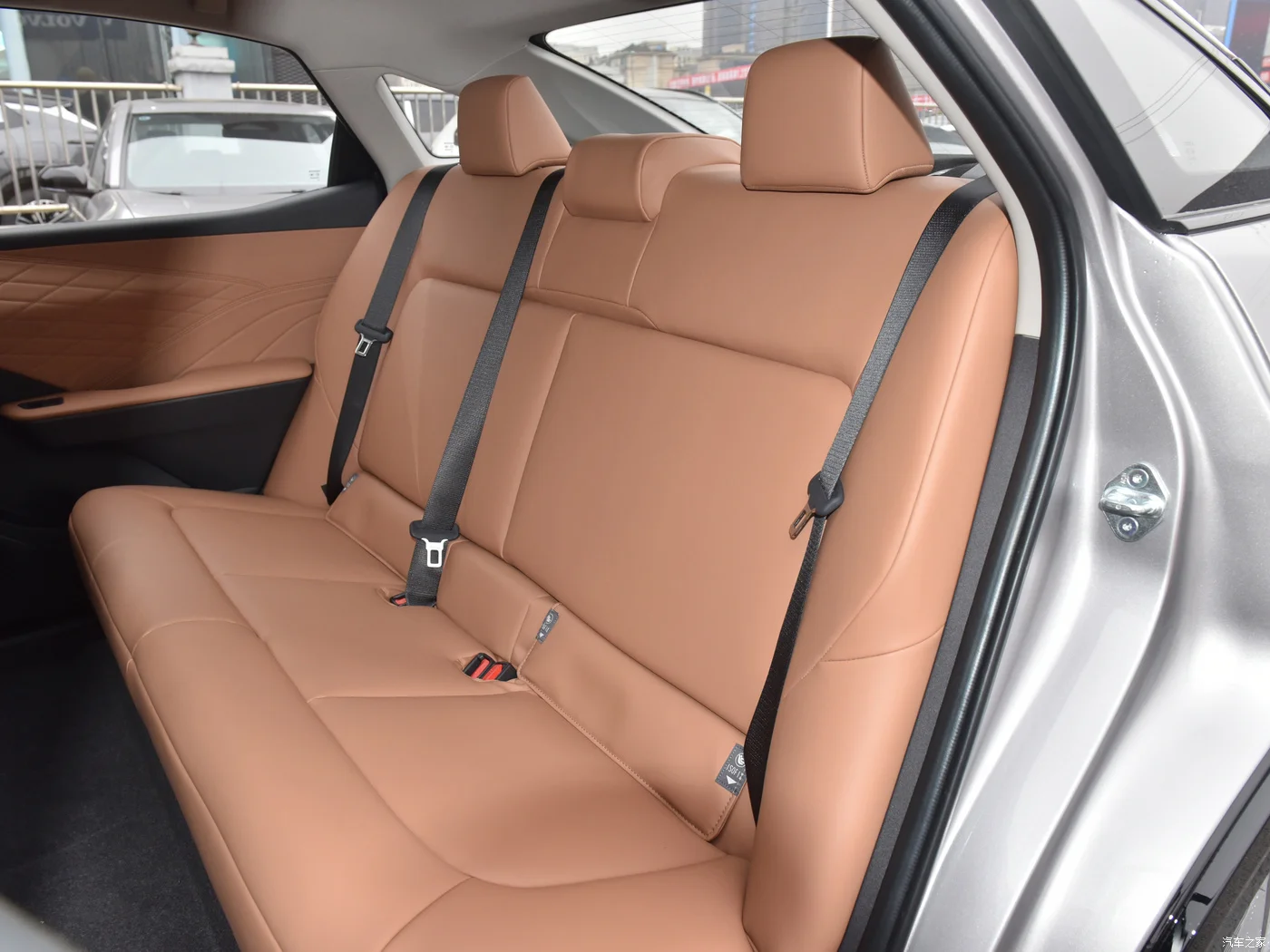
Used Toyota shipping time from China depends on multiple logistics factors, including the vehicle’s
origin city, export documentation, port congestion, vessel schedule, destination country, customs clearance, and the
selected shipping method. For buyers, dealers, wholesalers, and importers, understanding these variables is essential
for planning inventory, managing delivery expectations, and estimating total landed time.
China is a major source market for used vehicles, including popular Toyota models such as the Corolla, Camry, RAV4,
Highlander, Prado, Land Cruiser, Alphard, Vellfire, and Hilux. Because used Toyota vehicles are often exported
through major Chinese ports, shipping time can vary significantly depending on whether the vehicle is shipped by
RoRo (roll-on/roll-off), container, or bulk cargo. In addition,
inland transport from the dealership or auction yard to the export port is part of the total transit timeline.
This guide explains the major factors that affect used Toyota shipping time from China, the typical
transit process, common delays, shipping method differences, destination influences, and practical planning
considerations. The content below is written for SEO use and is suitable for blog pages, directory pages, industry
pages, and informational landing pages.
Used Toyota shipping time refers to the total period required to move a used Toyota vehicle from the
seller’s location in China to the arrival port or final destination in another country. This timeline usually
includes several stages:
In many cases, importers only focus on ocean transit, but the full shipping time from China is usually longer because
pre-shipment preparation and destination clearance can add several days or even several weeks. That is why buyers
searching for used Toyota shipping time from China should always consider the complete logistics
cycle rather than the sailing schedule alone.
Shipping time directly affects pricing, stock planning, customer delivery promises, and inventory turnover. For
automotive importers, a shorter and more predictable transit time can improve cash flow and reduce storage costs.
For end buyers, knowing the expected used Toyota shipping time from China helps set realistic
expectations for arrival.
It is also important for time-sensitive purchase decisions. For example, certain markets have seasonal demand for
SUVs, family sedans, or commercial pickups. A delayed shipment can cause missed sales opportunities. For this reason,
transit time is not just a shipping issue; it is a business planning issue.
There is no single fixed timeline for shipping a used Toyota from China. The following are the most common factors
that influence the total transit time.
| Factor | Impact on Shipping Time | Typical Effect |
|---|---|---|
| Departure port | Different ports have different vessel schedules and congestion levels | Can shorten or extend transit by several days |
| Shipping method | RoRo, container, and bulk shipping have different loading timelines | Container may take longer to arrange, RoRo may be faster when schedules are frequent |
| Destination country | Customs rules, route distance, and port efficiency vary by destination | Transit can range from a few days to several weeks |
| Export documentation | Incomplete paperwork delays customs clearance | May add days or more if corrections are needed |
| Port congestion | Busy ports can delay vessel booking and loading | Common during peak seasons |
| Vehicle condition and inspection | Some vehicles require additional checks before export | Can increase pre-shipment time |
| Weather and sea conditions | Severe weather may affect vessel operations | Temporary delays possible |
| Destination customs | Inspection and tax clearance affect release time | Can significantly impact total arrival time |
The following table provides a general timeline for used Toyota shipping from China. Actual transit
time may differ by model, route, port schedule, and destination procedures.
| Stage | Typical Duration | Description |
|---|---|---|
| Purchase and order confirmation | 1-3 days | Buyer confirms the used Toyota and shipping plan |
| Document preparation | 2-7 days | Export paperwork, vehicle details, and customs forms are prepared |
| Inland transport to port | 1-5 days | Vehicle is moved from seller location to departure port |
| Export customs clearance | 1-5 days | Chinese export procedures and inspections are completed |
| Vessel waiting / booking | 3-14 days | Waiting for available vessel space depending on route demand |
| Ocean transit | 3-35 days | Time at sea depends on destination and route distance |
| Destination customs clearance | 2-14 days | Import inspection, duties, and release procedures |
| Final pickup or inland delivery | 1-7 days | Vehicle collected from port or delivered inland |
Different shipping methods create different timelines for used Toyota vehicles. The best option depends on budget,
route, vehicle quantity, and cargo protection requirements.
| Shipping Method | How It Works | Transit Time Profile | Common Use Case |
|---|---|---|---|
| RoRo shipping | The vehicle is driven onto the vessel and driven off at destination | Often faster for standard vehicle routes with frequent sailings | Single vehicles or standard used Toyota exports |
| Container shipping | The vehicle is loaded into a container, often with parts or spare items | May take longer due to stuffing, scheduling, and handling | Higher-value vehicles or shipments needing extra protection |
| Bulk / multipurpose cargo | Vehicles are shipped with general cargo depending on vessel type | Varies based on vessel availability and cargo operations | Special routes or mixed cargo requirements |
For most importers, RoRo shipping time from China is competitive because loading and unloading are
straightforward. However, not all routes offer the same frequency, and not all destination ports support RoRo
operations. Container shipping may be preferred when additional protection is required or when shipping parts together
with the vehicle. Still, container export can add handling time, especially if consolidation is needed.
China has several export gateways, and each port has different processing speed, vessel frequency, and route network.
The departure port can strongly influence the overall used Toyota shipping time from China.
Common port-related factors include:
If a port has frequent sailings to the destination region, the waiting period may be short. If the route is less
common, the vehicle may wait longer for the next available vessel. In practical terms, a good port match can reduce
total transit time even before the ship departs.
The destination country is one of the biggest determinants of total arrival time. Even if the ocean transit is fast,
customs procedures at the destination can extend the full timeline.
Destination-related influences include:
For nearby destinations, the transit may be relatively short. For distant markets, especially where transshipment is
required, the shipping time may be longer. In addition, some countries have strict import rules for used vehicles,
which may add inspection time after arrival.
Documentation is a critical part of used car export logistics. Missing or inconsistent paperwork is a common cause
of delay. When buyers search for used Toyota shipping time from China, document readiness should be
part of the estimate.
| Document Type | Purpose | Possible Delay if Missing |
|---|---|---|
| Export declaration | Officially records the vehicle for export | Customs clearance may be blocked |
| Vehicle ownership record | Shows legal ownership and transfer status | Shipment cannot proceed without proof |
| Commercial invoice | States vehicle value and transaction details | May cause customs review issues |
| Packing list / cargo details | Lists cargo contents and shipment data | Documentation correction may be required |
| Bill of lading information | Confirms vessel and shipment terms | Can delay release and arrival processing |
| Destination import documents | Needed for local clearance | Vehicle may remain at port until completed |
Even when the shipping process is well organized, delays can still happen. Understanding the most common causes helps
importers reduce risk and plan buffer time.
These issues do not always cause major problems, but they are common enough that professional import planning should
always include extra time allowance.
Different Toyota models can have different shipping considerations, mainly because of size, height, condition, and
loading method. While the brand name does not always change the transport duration, the vehicle type can affect
handling efficiency.
| Toyota Model Type | Transit Consideration | Shipping Impact |
|---|---|---|
| Sedan models such as Corolla or Camry | Compact size makes loading simpler | Often easier to schedule and handle |
| SUV models such as RAV4, Highlander, Prado | Larger dimensions may affect space planning | May require more careful vehicle stacking or loading arrangement |
| Luxury MPVs such as Alphard or Vellfire | Higher value cargo may require additional care | Container shipping is sometimes preferred |
| Pickup models such as Hilux | Length and deck height can affect RoRo positioning | Usually manageable, but route availability matters |
| Land Cruiser and larger off-road models | Weight and size can influence vessel placement | May require more planning on certain routes |
Accurate shipping estimates depend on route analysis rather than a single generic number. To estimate
used Toyota shipping time from China, importers should review the following:
A realistic estimate usually includes both the fastest likely scenario and a conservative backup timeline. This is
especially important for buyers coordinating resale orders, fleet renewals, or project-based delivery deadlines.
Shipping used Toyota vehicles from China can offer several practical advantages, especially for buyers seeking
variety, sourcing flexibility, and route options. One major advantage is access to a wide export network and a broad
selection of vehicle types. Another advantage is the potential for efficient logistics when the vehicle is already
close to a major port.
These advantages make China a practical source for used Toyota exports, particularly for importers who value route
flexibility and broad model selection. However, successful shipping still depends on timely paperwork, port
coordination, and proper route selection.
Although used Toyota vehicles are usually shipped as complete units, certain specifications can influence handling
time and loading method. The following table summarizes common specification points relevant to export logistics.
| Specification Item | Logistics Relevance | Possible Shipping Effect |
|---|---|---|
| Vehicle length | Affects slot allocation and placement | May influence vessel loading arrangement |
| Vehicle height | Important for stacking clearance in containers | Can affect whether container shipping is suitable |
| Vehicle weight | Relevant for lift and deck load limits | May affect route and vessel acceptance |
| Drivable condition | Needed for RoRo boarding | Non-drivable vehicles may need container shipment |
| Exterior condition | Impacts inspection and documentation | May require additional handling notes |
| Accessories or attachments | Need to be declared if included | Can affect customs details and loading preparation |
Importers who want to reduce used Toyota shipping time from China should focus on preparation and
route planning. While some delays cannot be controlled, many can be minimized through organized logistics.
These simple practices help reduce avoidable delays and make transit time more predictable. For large orders, a
structured shipping plan is especially important because even small delays can create inventory gaps.
If you are building an industry page or informational blog, it helps to use the common logistics terms associated
with used Toyota shipping from China.
| Term | Definition |
|---|---|
| Transit time | The total time from departure to arrival |
| Lead time | The time needed before shipment actually begins |
| RoRo | Roll-on/roll-off vessel shipping method for drivable vehicles |
| Container shipping | Shipping method where the vehicle is loaded into a container |
| Customs clearance | Official approval from customs authorities to export or import cargo |
| Transshipment | Transfer of cargo from one vessel to another at a hub port |
| Port congestion | Delay caused by heavy traffic or crowded port operations |
Used Toyota shipping time from China is shaped by a combination of route distance, shipping method,
port efficiency, customs procedures, and documentation readiness. There is no universal fixed answer, because every
shipment is affected by departure location, destination requirements, and vessel availability. In general, faster
processing comes from better document preparation, efficient port selection, and a shipping method that matches the
vehicle and route.
For buyers, dealers, and importers, the best approach is to treat shipping time as a full logistics cycle rather
than a simple ocean voyage. By understanding the key transit factors, common delays, and typical handling
requirements, you can plan more accurately and reduce surprises during the import process.
If used properly on an SEO page, the topic of used Toyota shipping time from China can attract
search traffic from importers looking for transit estimates, shipping guidance, and route planning information.
The most effective pages combine clear definitions, structured tables, practical timelines, and keyword-rich
explanations that help users quickly find the information they need.
```
This website uses cookies to ensure you get the best experience on our website.



 Phone
Comment
(0)