

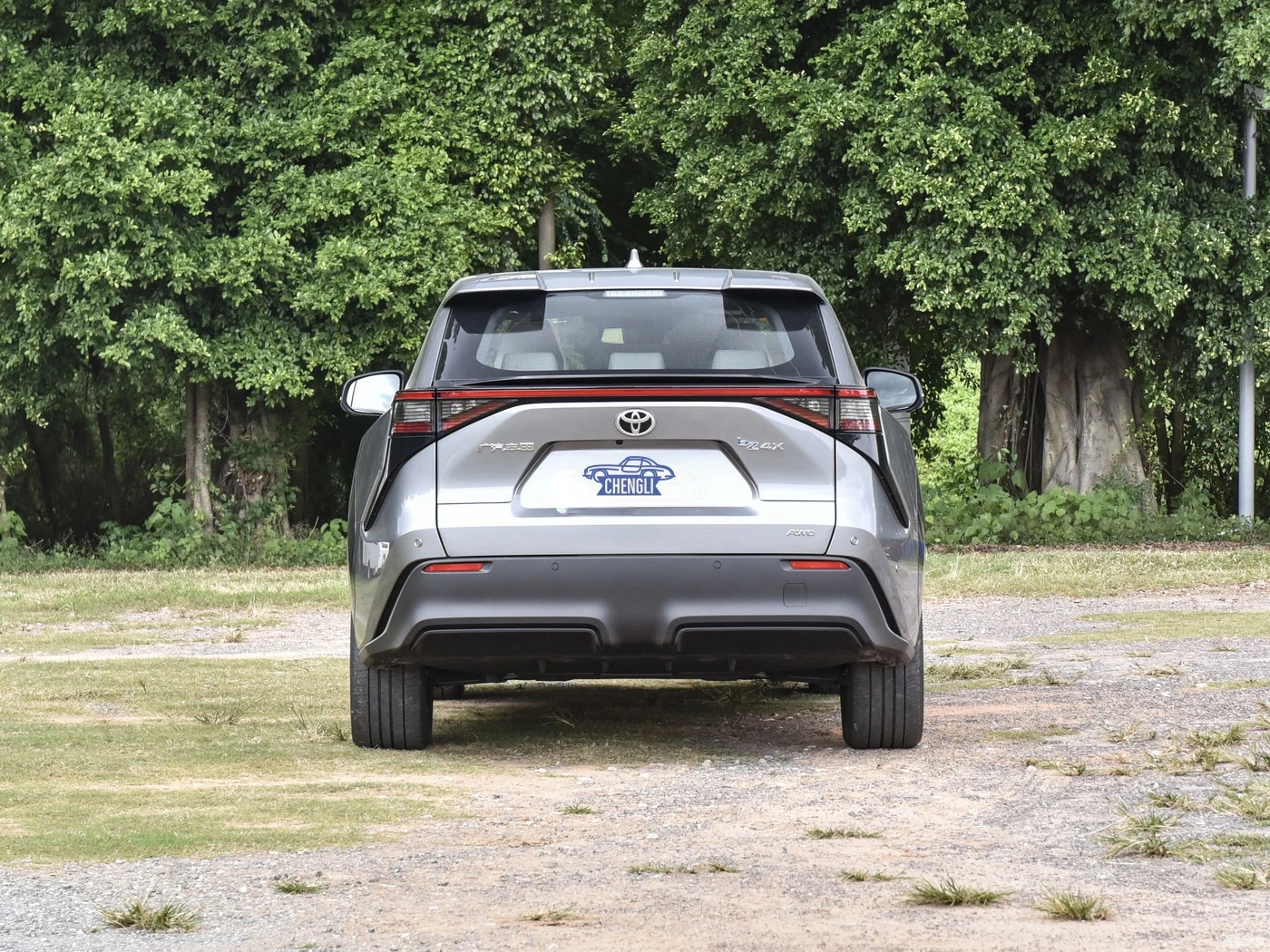
When importing used Toyota vehicles, a structured inspection process is one of the most important steps for reducing risk, improving buyer confidence, and protecting profit margins. A 150-point used Toyota inspection checklist for importers helps verify vehicle condition, identify hidden defects, support pricing decisions, and improve export quality control before shipment. For importers, dealers, wholesalers, and online car marketplaces, a detailed inspection system is not just a best practice—it is a core part of successful used Toyota sourcing.
Toyota vehicles are known globally for reliability, resale value, fuel efficiency, and long service life. However, even a popular model with strong market demand can become a costly problem if it is shipped without proper verification. A thorough used Toyota inspection checklist helps ensure the vehicle meets expected standards for engine performance, structural integrity, accident history, safety systems, interior quality, and export readiness.
This page provides an original, SEO-friendly, and industry-focused guide to the 150-point used Toyota inspection checklist for importers. It is designed for use in blogs, category pages, service pages, or industry landing pages. The content below focuses on universal inspection logic, general standards, benefits, and checklist specifications without recommending any specific company.
A 150-point used Toyota inspection checklist is a detailed vehicle evaluation framework that divides the inspection process into many small, measurable checks. Each point covers a specific part of the vehicle, such as the exterior, chassis, engine bay, transmission, suspension, brakes, electronics, cabin condition, safety systems, and roadworthiness. The goal is to create a clear and repeatable inspection standard for used Toyota importers.
Unlike a simple visual review, a 150-point checklist uses a systematic format that helps inspectors document condition in a standardized way. This is especially valuable in the used vehicle import business, where buyers often depend on inspection reports, auction sheets, grading data, and pre-shipment verification to make purchasing decisions.
The checklist can also support communication between exporters, inspection teams, brokers, and importers. When the condition of a Toyota vehicle is documented point by point, there is less room for misunderstanding, dispute, or overlooked damage.
Importing used cars involves more risk than buying domestic inventory, because the buyer may not physically inspect the vehicle before purchase. This makes a used Toyota inspection checklist especially important. It helps importers evaluate whether a car is suitable for their target market, tax structure, repair strategy, and resale channel.
For Toyota importers, the checklist is especially useful because many models are widely traded across markets. Popular vehicles such as sedans, hatchbacks, vans, SUVs, and commercial units may appear similar on paper but differ significantly in real condition. A consistent inspection system helps separate high-quality stock from risky inventory.
The value of a used Toyota inspection checklist for importers goes beyond technical verification. It also improves business performance and customer satisfaction. Below are the major benefits of using a structured checklist.
A standardized checklist ensures every Toyota vehicle is inspected using the same criteria. This reduces human error and makes reports easier to compare across different units, suppliers, and batches.
Importers can use inspection results to understand the true condition of the vehicle before committing to a purchase. Transparency is particularly important for online sales and wholesale distribution.
By identifying clean, mechanically sound vehicles, importers can build a stronger inventory mix with fewer costly repairs. This is especially important in competitive used car markets.
Inspection before shipping helps avoid importing vehicles with major hidden problems. Reducing surprise repairs can protect profit margins and shorten reconditioning time.
When inspection reports are detailed and professional, downstream buyers are more likely to trust the imported Toyota unit. This can improve conversion rates and repeat business.
Many markets require clear documentation for imported vehicles. A detailed checklist supports customs handling, internal records, and quality assurance workflows.
A used Toyota inspection checklist can be applied to many body types and model categories. Importers often evaluate the following types of Toyota vehicles:
| Model Category | Common Use Case | Inspection Focus |
|---|---|---|
| Sedan | Private buyers, taxi fleets, business users | Engine health, suspension, interior wear, mileage consistency |
| Hatchback | Urban commuting, budget retail | Body condition, fuel system, electrical systems, rust |
| SUV | Family transport, mixed-use customers | Drivetrain, 4WD system, underbody wear, safety features |
| Van / MPV | Passenger transport, commercial fleet | Seat condition, load wear, sliding doors, suspension fatigue |
| Pickup / Light Commercial | Work use, trade, utility | Chassis strength, cargo bed condition, drivetrain, towing wear |
The following checklist is organized into major inspection categories. Each point can be marked as pass, fail, or needs attention. Importers can use this format for internal evaluation, auction verification, export reports, or third-party inspection documents.
The inspection checklist above is presented in a practical format for SEO and industry use. In real operations, some importers may customize the 150 points depending on Toyota model, destination country, vehicle age, mileage range, and retail target. For example, a Toyota Prius may require deeper hybrid system checks, while a Toyota Hilux may require additional underbody and suspension inspection. A Toyota van may need more attention to cargo wear and seat condition.
| Inspection Category | What It Covers | Why It Matters |
|---|---|---|
| Identity Verification | Chassis, engine, registration, documents | Prevents fraud and mismatch issues |
| Exterior Condition | Panels, paint, glass, rust, dents | Affects appearance and retail value |
| Structural Integrity | Frame, welds, pillars, floor pan | Supports safety and accident assessment |
| Mechanical Systems | Engine, transmission, drivetrain | Impacts reliability and repair cost |
| Running Gear | Tires, brakes, suspension, steering | Ensures drivability and safety |
| Interior Condition | Seats, trim, smell, wear, cleanliness | Influences resale appeal |
| Electrical Equipment | Lights, AC, windows, locks, warnings | Supports daily usability and customer satisfaction |
Importers typically use a used Toyota inspection checklist in several stages of the sourcing workflow. First, the checklist helps during pre-purchase evaluation. Second, it helps confirm the vehicle before export loading. Third, it serves as a reference during arrival inspection and reconditioning planning.
In a typical workflow, the inspector reviews auction information, visual condition, mechanical function, and structural indicators. Then the findings are recorded in a report that may include photos, notes, and pass/fail ratings. This information is used to decide whether to buy, reject, repair, or reprice the vehicle.
If this content is being used for search optimization, the following keyword themes are naturally relevant:
These keywords can be included naturally in headings, body text, image alt tags, meta descriptions, FAQ sections, and internal links to improve topical relevance for search engines.
For a blog page, category page, or service landing page, structure matters as much as keyword usage. Search engines often reward pages that are organized, useful, and specific. A strong inspection page should include clear headings, scannable paragraphs, tables, and industry terminology. It should also answer common user intent: what the checklist is, why it matters, what it includes, and how it is used.
The purpose is to evaluate a used Toyota vehicle in a structured way before import. It helps identify mechanical, structural, cosmetic, and documentation issues before purchase or shipment.
While not legally required in every case, a detailed inspection is highly recommended for importers because it reduces risk and improves vehicle selection.
Yes. It is especially useful for auction vehicles because it helps validate auction sheet information and reveal condition issues that may not be obvious from photos alone.
Yes, but hybrid vehicles may need additional checks related to battery condition, electric system performance, and hybrid drive behavior.
Yes. The checklist can be adjusted based on market requirements, model type, budget, and target customer expectations.
A 150-point used Toyota inspection checklist for importers is one of the most effective tools for improving buying decisions, reducing import risk, and protecting long-term profitability. By checking identity, exterior condition, structural integrity, mechanical systems, suspension, interior quality, and electrical features, importers can build a more reliable sourcing process and deliver better vehicles to their market.
For any business involved in used Toyota imports, a structured inspection system provides clarity, consistency, and confidence. Whether the vehicle is a sedan, SUV, van, hatchback, or commercial model, a detailed inspection checklist supports better inventory selection and stronger resale performance.
If you are creating an SEO page, category page, or industry blog post, this content can be used directly in the middle section of your HTML page and expanded with images, schema markup, internal links, and model-specific subpages for even stronger search visibility.
This website uses cookies to ensure you get the best experience on our website.



 Phone
Comment
(0)