

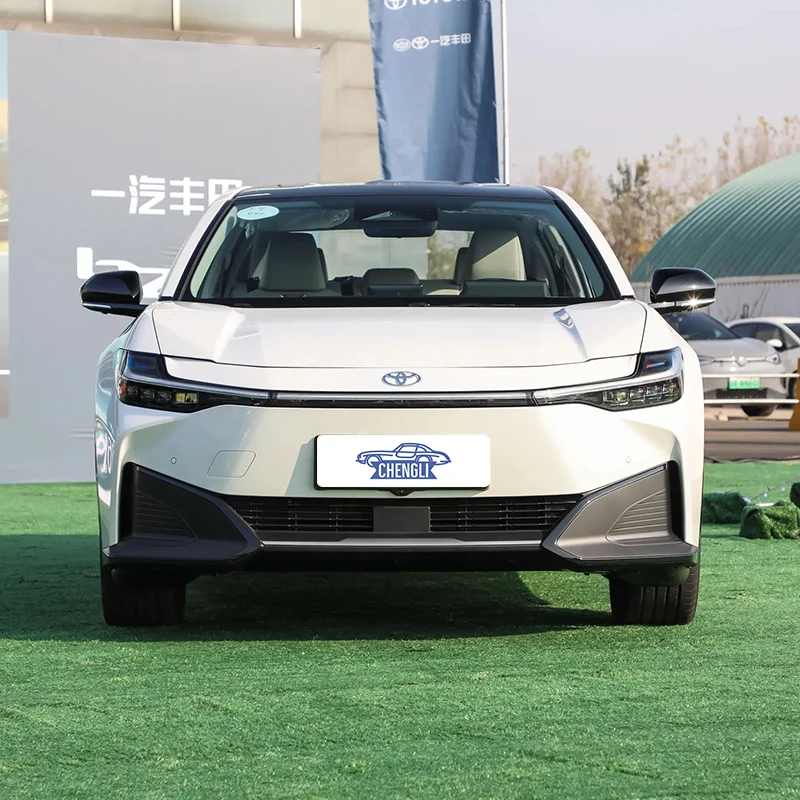
Buying a used car overseas can open the door to better prices, wider model selection, rare trims, and access to vehicles that may not be available in your local market. However, the international used-car market also contains risks that buyers must understand before sending money or signing any agreement. Used-car import scams can involve falsified documents, hidden accident history, odometer rollback, title washing, shipping fraud, fake sellers, and unexpected customs problems. If you are searching for how to avoid used-car import scams when buying overseas, the most important strategy is to combine research, document verification, payment protection, and independent inspection into one careful buying process.
This guide is designed for blogs, directory pages, and industry pages that need original, SEO-friendly, and structured content about used-car import scams, overseas vehicle buying, import car fraud prevention, and related search terms. It does not recommend any specific company. Instead, it provides general information, definitions, practical benefits, red flags, and comparison tables that help buyers make safer decisions when purchasing a vehicle from another country.
A used-car import scam is any deceptive practice used to trick an overseas buyer during the purchase, export, shipping, customs, or delivery process of a pre-owned vehicle. These scams can happen at any stage of the transaction. Some are obvious, such as a fake seller asking for a deposit. Others are subtle, such as a legitimate-looking listing that hides flood damage, structural repairs, mileage tampering, or incomplete export documents.
In cross-border car purchases, scams are especially dangerous because the buyer may not be able to inspect the vehicle in person, check the local registration records directly, or easily recover funds once money is transferred abroad. This makes due diligence essential.
| Scam Type | Definition | Typical Risk to Buyer |
|---|---|---|
| Odometer Rollback | Changing mileage records to make the car appear less used than it really is. | Overpaying for a worn vehicle and facing expensive repairs sooner. |
| Title Washing | Hiding damage history by moving a vehicle through different jurisdictions to clean its title status. | Buying a car with serious accident, flood, or salvage history. |
| Fake Seller Scam | Using fake identities, copied photos, and false listings to collect deposits. | Full loss of deposit or total payment. |
| Document Fraud | Providing forged export papers, registration documents, or customs forms. | Seizure, delays, penalties, or inability to register the vehicle. |
| Hidden Damage Scam | Concealing flood, fire, frame, or collision damage. | Unsafe car purchase and expensive restoration costs. |
| Shipping Fraud | Charging for freight or insurance that is never booked or incorrectly described. | Delays, added costs, or vehicle loss during transport. |
International used-car transactions are attractive to fraudsters because they often involve remote communication, multiple intermediaries, different legal systems, language barriers, and long payment chains. Buyers may feel pressure to act quickly because a “good deal” appears to be in high demand. Scammers often exploit urgency, unfamiliarity with import rules, and trust in professional-looking websites or documents.
Common scam conditions include:
Understanding these risk factors is the first step in building a secure buying process.
Despite the risks, buying a used car overseas can offer strong advantages when handled correctly. Many buyers look internationally because they want a specific model, better condition, lower price, or unique factory options that are rare in their home market. A safe overseas purchase can provide excellent value.
| Benefit | Description | Why It Matters |
|---|---|---|
| Wider Selection | Access to more makes, trims, engine types, and configurations. | Helps buyers find the exact vehicle they want. |
| Better Pricing | Some overseas markets offer lower used-car prices due to local supply and demand. | May reduce the overall purchase cost. |
| Special Editions | Rare trims, export-only models, or region-specific versions may be available. | Useful for collectors and enthusiasts. |
| Condition Advantages | Certain markets have stricter maintenance habits or better climate conditions. | Can result in cleaner vehicles with less wear. |
| Higher Specification | Imported vehicles may include premium options not common in local inventory. | Improves comfort, safety, and resale appeal. |
If you want to avoid used-car import scams, you need to recognize warning signs early. Fraudulent sellers often use a combination of emotional pressure, vague details, and inconsistent paperwork. A legitimate overseas seller should be able to answer basic questions, provide real records, and allow independent verification.
| Red Flag | What It Looks Like | Why It Is Dangerous |
|---|---|---|
| Too-Good-to-Be-True Price | Price is far below market average for the same model and year. | Often used to attract quick deposits from unsuspecting buyers. |
| Urgent Payment Demand | Seller insists you pay immediately or lose the car. | Creates pressure that reduces time for due diligence. |
| Missing VIN or Chassis Number | Listing avoids sharing vehicle identification data. | Makes history and registration checks impossible. |
| Stock Photos Only | Images appear generic, repeated, or taken from another website. | Suggests the vehicle may not exist or may not match the listing. |
| Inconsistent Mileage | Different documents show different odometer readings. | Possible odometer fraud or false record keeping. |
| Refusal of Third-Party Inspection | Seller blocks any independent inspection or video verification. | Often indicates hidden defects or non-existent inventory. |
| Strange Payment Methods | Request for cryptocurrency, gift cards, or direct transfer to an unrelated person. | Hard to trace or recover funds if fraud occurs. |
| Incomplete Export Paperwork | Seller cannot provide proper registration, deregistration, or export certificates. | Can create customs delays and import rejection. |
The safest way to buy a used car overseas is to follow a structured verification process. Below is a practical framework that can reduce the risk of fraud, improve document accuracy, and help you identify legitimate listings before making a financial commitment.
Start by confirming who is actually selling the car. Ask for the seller’s full legal name, business registration details if applicable, phone number, physical address, and proof that they are authorized to sell the vehicle. Cross-check contact information across multiple sources. A reliable seller should have a consistent identity and be willing to verify basic details.
The Vehicle Identification Number, chassis number, or frame number is essential for checking history records. Without it, you cannot confidently confirm mileage, ownership, recalls, or accident history. If a seller refuses to share the number before payment, treat this as a major warning sign.
Use the VIN to check accident history, title status, previous registration, service records, and mileage progression. Look for inconsistencies such as sudden mileage drops, repeated ownership transfers, or salvage indicators. Even when a report is available, compare it with physical photos, maintenance receipts, and seller statements.
High-quality images should show the car from multiple angles, including interior, engine bay, dashboard, tires, underbody, and vehicle identification plates. Ask for live video if possible. Look for signs of image editing, mismatched shadows, repeated backgrounds, or blurred areas covering damage. Zoom in on door edges, panels, wheel arches, and glass for signs of repair.
Whenever possible, hire a local third-party inspector, mechanic, or vehicle verifier. Independent inspection is one of the best ways to prevent used-car import scams because it confirms the car’s real condition before shipment. The inspector should check body panels, mechanical condition, electronics, rust, leaks, frame alignment, and signs of flood or fire damage.
Before payment, verify that the seller has the legal right to export the car. Ask for registration documents, export certificate, deregistration proof, sales invoice, and any required customs papers. The exact document names vary by country, but the goal is the same: prove legal ownership and export eligibility.
Avoid sending money through unprotected channels. Use payment structures that offer some level of traceability, escrow, or release-on-verification when available. Never send funds to a different name than the seller without a documented reason. Keep all receipts and transaction records.
Clarify whether the vehicle price includes shipping, insurance, inland transport, port fees, and destination charges. Some scams start with a low car price and grow through hidden logistics costs. Request a written breakdown of every fee and confirm who is responsible at each stage of transport.
A car that is legal to export may still be difficult or impossible to import into your country due to age restrictions, emissions standards, safety rules, taxes, or left-hand/right-hand drive regulations. Verify local import laws before buying. This prevents expensive surprises at customs.
Save emails, chat logs, invoices, photos, inspection reports, and payment confirmations. If fraud happens, detailed records improve your chances of dispute resolution, customs clarification, or legal action.
A complete document trail is one of the strongest defenses against import fraud. Missing or inconsistent paperwork should always be investigated before proceeding.
| Document | Purpose | What to Check |
|---|---|---|
| Vehicle Title / Ownership Certificate | Proves who owns the car. | Name consistency, title status, liens, salvage marks. |
| Registration Certificate | Shows the car is legally registered in the origin country. | Matching VIN, owner name, dates, and vehicle details. |
| Export Certificate | Confirms the vehicle can be exported. | Government or customs approval, correct chassis number. |
| Bill of Sale / Invoice | Records the transaction details and purchase price. | Buyer name, seller name, price, date, vehicle description. |
| Inspection Report | Documents the condition of the vehicle before purchase. | Mechanical notes, damage notes, mileage, photos. |
| Shipping Documents | Tracks transport from origin to destination. | Bill of lading, container details, insurance, port info. |
| Customs Documents | Used for import clearance and tax assessment. | Declared value, tariff classification, compliance paperwork. |
The difference between a safe import transaction and a risky one often comes down to process, not luck. The table below shows how responsible buyers reduce exposure to scams.
| Category | Safe Buying Approach | High-Risk Buying Approach |
|---|---|---|
| Seller Verification | Identity checked, business details confirmed, contact information verified. | Seller identity accepted without proof. |
| Vehicle History | VIN checked, records reviewed, inconsistencies investigated. | History ignored or not available. |
| Inspection | Independent inspection or live verification completed. | No third-party inspection. |
| Payment | Secure, documented, traceable method used. | Unprotected transfer to unfamiliar account. |
| Documents | Ownership and export papers matched and reviewed. | Missing or inconsistent paperwork accepted. |
| Shipping | Freight terms, insurance, and destination costs confirmed in writing. | Shipping details vague or verbally promised only. |
| Import Compliance | Local import rules reviewed before purchase. | Buyer assumes the vehicle will automatically clear customs. |
Odometer fraud is one of the oldest used-car scams. The seller alters mileage to make a vehicle seem newer and less worn. In international transactions, this can be hidden by inconsistent service records or missing maintenance history. A lower odometer reading may make the car appear like a bargain, but the real ownership cost can be much higher due to wear on the engine, transmission, suspension, and brakes.
Flood-damaged vehicles may look acceptable in photos, but corrosion, electrical problems, mold, and hidden structural issues can appear later. Warning signs include water lines, musty odors, rust in unusual places, moisture under carpets, fogged headlights, and mineral residue in tight spaces. Always inspect under seats, inside the trunk, and around the fuse box.
Some vehicles have been in major collisions and then repaired cheaply to hide damage. The car may look fine from one angle but show panel mismatch, uneven paint thickness, misaligned doors, or welding marks underneath. A professional inspection helps detect frame damage and poor-quality repairs.
In this scam, the seller posts a car that does not exist or is not available for export. They may copy real photos from other listings and ask for a deposit to “reserve” the vehicle. If the buyer pays, the scammer disappears or invents more fees.
Some fraudulent operators underquote shipping, then add surprise fees later. Others misdescribe the vehicle to reduce freight or customs costs, which can create legal trouble when the car arrives. Buyers should insist on accurate documentation and a detailed written cost breakdown.
A well-prepared buyer should assess each listing using consistent criteria. Before committing, look at price, mileage, condition, location, paperwork, and shipping feasibility. A strong listing usually contains enough detail to verify the vehicle’s legitimacy.
| Evaluation Point | What Good Listings Include | What Suspicious Listings Often Omit |
|---|---|---|
| Price | Reasonable market-aligned price with explanation for condition or trim. | Extremely low price without justification. |
| Mileage | Clear mileage reading with supporting records. | No mileage data or inconsistent readings. |
| Photos | Real, current, multi-angle photos with detail shots. | Generic, reused, or low-quality images. |
| VIN / Chassis | Shared early for verification. | Withheld until after deposit or not shared at all. |
| Condition Notes | Clear disclosure of cosmetic and mechanical issues. | Only promotional claims with no specifics. |
| Documentation | Available ownership and export paperwork. | Vague promises to provide documents later. |
For blog and directory page optimization, this topic naturally connects to search phrases such as used-car import scams, how to avoid import car fraud, buying a used car overseas safely, overseas used car inspection, used vehicle export documents, international car buying tips, import car red flags, and secure used car purchase abroad. Repeating these concepts in a natural way can help search engines understand the page topic while still providing useful value to readers.
To improve ranking potential, pages about this subject should include:
A strong market does not eliminate risk. Even in countries with high vehicle turnover and large inventories, fake listings, odometer fraud, and document problems can still occur. Verification is always necessary.
Not always. Some vehicles are legitimately cheaper because of market conditions, older model years, minor cosmetic damage, or high supply. However, a price that is far below comparable listings should always be treated as a warning sign.
The safest option depends on the transaction structure, but buyers should prefer traceable, documented, and contract-based payment methods. Avoid unverified requests, especially if the seller asks for non-refundable payment without proof of inventory or ownership.
Because it provides independent confirmation of the car’s condition. Photos and seller descriptions can be misleading, while an inspection can reveal hidden damage, mechanical faults, or even non-existent inventory.
Stop the transaction until every mismatch is explained and corrected. Do not assume the issue is a simple clerical error. Mismatched names, VINs, dates, or mileage figures can indicate fraud or a serious compliance problem.
Learning how to avoid used-car import scams when buying overseas is essential for any buyer seeking value, rare inventory, or international options. The safest purchases come from a process that combines seller verification, VIN checks, vehicle history review, independent inspection, document validation, secure payment, and import compliance research. By identifying red flags early and refusing to rush, buyers can reduce risk dramatically and improve the chances of receiving the exact vehicle they expect.
Whether you are writing an industry page, a blog article, or a directory listing, this topic performs well when it is structured clearly, uses related keywords naturally, and offers genuinely useful information. Keep the focus on prevention, verification, and transparency, and your content will be both reader-friendly and SEO-friendly.
```
This website uses cookies to ensure you get the best experience on our website.



 Phone
Comment
(0)