

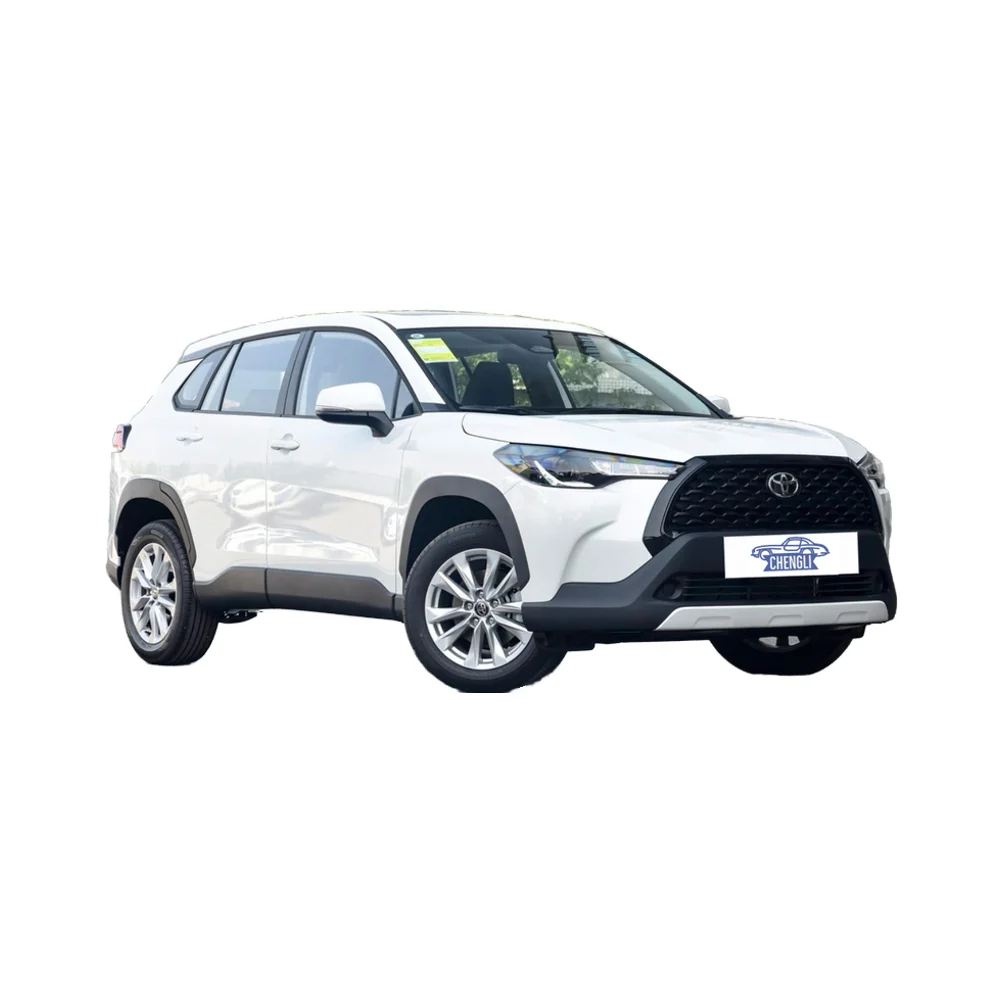
When shoppers search for accident-free used Toyota cars, they are usually looking for a vehicle that has
not been involved in any major collision, structural repair, airbag deployment event, or flood-related damage. In the used car
market, this term is highly valued because Toyota has a strong reputation for durability, long-term reliability, and lower
ownership costs. However, not every listing that says “accident-free” is automatically trustworthy. Buyers need to understand
how to verify condition, what documentation to request, and which physical and digital checks matter most.
This guide provides a clear, SEO-friendly overview of accident-free used Toyota cars, including definitions, benefits,
inspection methods, typical vehicle specifications, and buyer verification steps. The goal is to help readers make informed
decisions when evaluating a used Toyota sedan, SUV, hatchback, crossover, or hybrid model.
The phrase accident-free used Toyota cars generally refers to vehicles with no reported major accident history.
In practical terms, this may mean the car has not experienced:
It is important to note that “accident-free” does not always mean “never repaired.” A vehicle may have minor cosmetic work,
such as paint touch-ups, bumper scuffs, or windshield replacement, without being considered a major accident car. Buyers should
focus on condition verification rather than relying only on a label.
Toyota vehicles are widely favored in the used market because they often deliver dependable performance, fuel efficiency, strong
resale value, and relatively accessible maintenance. When a Toyota also has an accident-free history, it becomes even more
attractive to buyers who want confidence in the vehicle’s structure and long-term reliability.
Common reasons buyers prioritize accident-free used Toyota cars include:
| Advantage | What It Means for Buyers |
|---|---|
| Structural confidence | The vehicle is less likely to have hidden frame damage or compromised body integrity. |
| Better ride quality | Cars without major collision history are more likely to maintain proper alignment and handling. |
| Higher resale potential | Accident-free history often supports stronger market value in future resale or trade-in. |
| Lower repair risk | There is less chance of unresolved accident-related defects, such as sensor issues or bad repairs. |
| Easier financing and insurance | Clean-history cars are often simpler to insure and may be more appealing to lenders. |
| More buyer trust | Clear history reports can improve confidence during the purchase process. |
Verifying the condition of accident-free used Toyota cars requires a layered process. Buyers should combine paperwork review,
history report analysis, physical inspection, test driving, and, when possible, a professional pre-purchase inspection.
Relying on just one method is not enough.
A vehicle history report is one of the most important tools for buyers. It can reveal reported accidents, title branding,
odometer issues, ownership changes, service records, and sometimes insurance claims. While not every incident is recorded,
a detailed report is still an essential first step.
Exterior inspection can reveal signs of previous collision repair. Buyers should look for mismatched paint, uneven panel gaps,
overspray, repaired bumpers, different shades of body panels, or evidence that parts were replaced after impact.
Interior condition can also suggest whether the car has been properly maintained. Wear on the steering wheel, seat fabric,
pedals, dashboard buttons, and touch surfaces should match the mileage and age of the vehicle. A car with low mileage but
excessive interior wear may require further questioning.
A road test helps identify mechanical problems, steering irregularities, braking issues, suspension noise, or transmission
hesitation. For accident-free used Toyota cars, the test drive should feel smooth, stable, and predictable.
A certified mechanic or independent technician can identify issues that are not visible to the average buyer. This is especially
useful for verifying accident-free used Toyota cars, because a professional can inspect the frame, suspension, underbody,
engine bay, electronics, and repair quality.
Even when a listing claims “accident-free,” buyers should watch for warning signs that suggest prior damage or poor repairs.
These signs do not always confirm an accident, but they do indicate that further investigation is necessary.
| Warning Sign | Possible Meaning |
|---|---|
| Uneven panel gaps | May indicate previous body repair or misaligned body panels. |
| Different paint shades | Could suggest repainting after collision repair or panel replacement. |
| Overspray on trim | May point to body shop repaint work. |
| Warning lights on dashboard | Could relate to airbag, sensor, or electronic issues from previous damage. |
| Misaligned wheels or steering pull | May indicate suspension damage or frame alignment issues. |
| New parts on one side only | Suggests localized repair after impact. |
| Rust in unusual locations | Could be linked to prior flood exposure or poor repair quality. |
| Musty interior smell | May indicate water intrusion or flood damage. |
To verify the condition of a used Toyota, buyers should ask for all available records. The more documentation the seller can
provide, the easier it becomes to assess whether the car has a clean history and whether it has been properly maintained.
When reviewing paperwork, buyers should compare the VIN on every document to ensure consistency. A mismatch between the VIN
on the car and the records can be a serious red flag.
The Vehicle Identification Number, or VIN, is the unique identifier for the car. It is one of the best tools for verifying
accident-free used Toyota cars. Buyers should find the VIN in multiple locations and confirm that all numbers match.
Once the VIN is confirmed, buyers can use it to request history information and review title status, mileage patterns,
prior ownership, and any reported incidents. VIN verification is one of the strongest safeguards in used vehicle buying.
Buyers searching for accident-free used Toyota cars often compare specifications across different body styles. The table below
shows common specification categories that matter in the used car market.
| Specification Category | Why It Matters |
|---|---|
| Engine type | Affects power, fuel economy, and long-term reliability. |
| Transmission | Impacts driving comfort, durability, and maintenance needs. |
| Drivetrain | FWD, AWD, or 4WD can influence traction and road performance. |
| Mileage | Helps estimate wear level and remaining service life. |
| Service history | Shows whether the car received regular maintenance. |
| Title status | Indicates whether the vehicle has clean, salvage, rebuilt, or branded history. |
| Safety features | Includes airbags, lane assist, collision warning, and stability control. |
| Fuel economy | Important for daily commuting and overall ownership cost. |
Use the following checklist when evaluating a used Toyota. This type of structured review can help buyers compare multiple
accident-free used Toyota cars more efficiently.
| Inspection Area | What to Look For | Pass/Fail Notes |
|---|---|---|
| Exterior paint | Consistent color, no overspray, no mismatched panels | Good signs of original body condition |
| Body alignment | Even panel gaps and proper door closure | Can indicate no major structural repair |
| Engine bay | Clean layout, no broken mounts, no unusual weld marks | May reveal hidden repairs |
| Undercarriage | No heavy rust, no bent parts, no fresh undercoating | Important for impact or flood checks |
| Interior | Normal wear, no water damage, no warning lights | Suggests proper care and no major event |
| Road test | Straight driving, smooth shifts, quiet suspension | Helps confirm mechanical condition |
| Documentation | Clear title, matching VINs, available records | Supports accurate history verification |
Toyota vehicles are often associated with long service life, efficient engines, and predictable maintenance costs. That
reputation makes accident-free used Toyota cars especially attractive to budget-conscious buyers, first-time car owners,
commuters, families, and drivers who want practical transportation without excessive repair risk.
While reliability varies by model, year, mileage, and maintenance history, Toyota’s broad reputation supports strong demand in
the used market. Clean-history vehicles are usually favored because they preserve more of the original engineering and
factory-built structure.
When the condition of a used Toyota is carefully verified, buyers can reduce risk and make more confident decisions. Proper
verification helps identify whether the car is truly accident-free, whether maintenance has been performed regularly, and
whether the vehicle is mechanically sound for daily use.
It usually means the car has no reported major accident history, such as frame damage, airbag deployment, or structural
collision repairs. Buyers should still verify the condition through documents and inspection.
Check the VIN, review the vehicle history report, inspect the exterior and interior, test drive the car, and request an
independent pre-purchase inspection.
Not always, but they are usually easier to evaluate and may have fewer hidden risks than vehicles with accident history.
Condition, mileage, maintenance, and title status should still be reviewed carefully.
Yes. Minor repairs such as cosmetic paintwork, tire replacement, brake service, or windshield replacement may still exist even
when a vehicle is considered accident-free.
The VIN allows buyers to confirm the car’s identity, check history records, compare documentation, and verify whether the
vehicle has reported damage or title issues.
Accident-free used Toyota cars remain one of the most searched and trusted segments in the used vehicle market because they
combine Toyota’s reputation for reliability with the reassurance of a cleaner history. However, buyers should not depend on
marketing language alone. The best approach is to verify condition through a vehicle history report, VIN matching, visual
inspection, interior checks, test driving, and professional evaluation when possible.
For blogs, directory pages, and industry articles, this topic performs well because it addresses buyer intent, trust,
condition verification, and vehicle quality in a highly practical way. By focusing on accident-free used Toyota cars and the
methods buyers use to verify condition, publishers can create content that is informative, search-friendly, and useful to
readers researching their next used car purchase.
This website uses cookies to ensure you get the best experience on our website.



 Phone
Phone
Comment
(0)