

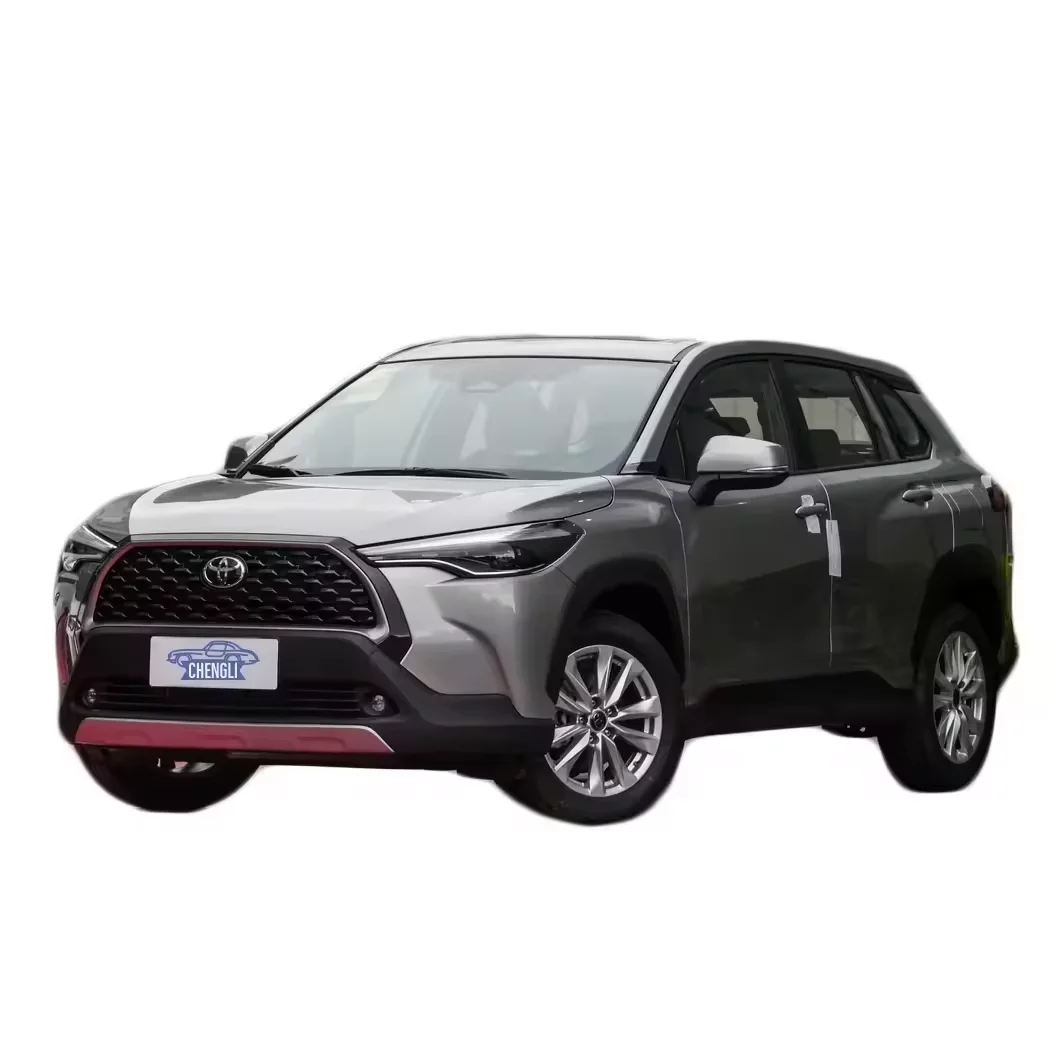
When sourcing used Toyota vehicles for international trade, one of the most important pricing questions is:
What is the real difference between FOB and CIF price? Importers, wholesalers, dealers, and fleet buyers
often compare these two terms when evaluating a used Toyota vehicle export offer. However, the difference is not only
about shipping. It affects total landed cost, customs planning, logistics control, and profit margin.
This guide explains used Toyota FOB price and used Toyota CIF price in simple,
SEO-friendly English. It covers the meaning of each term, what importers actually pay, how freight and insurance are
calculated, what costs are included or excluded, common buyer advantages, and how to compare quotations correctly.
The content is designed for use in blog posts, directory pages, product category pages, and industry pages focused
on used Toyota export pricing.
FOB stands for Free On Board. In the used Toyota export market, FOB price means the
seller’s price for the vehicle delivered to the export port and loaded onto the vessel. In most cases, the FOB price
includes the vehicle cost, local inland transport to the port, export documentation, and terminal handling up to the
point of loading.
After the vehicle passes the ship’s rail or is loaded on board, the responsibility typically transfers from the seller
to the buyer. From that point, the importer pays for ocean freight, marine insurance, destination charges, customs
clearance, duties, taxes, and inland delivery in the destination country.
| Item | FOB Interpretation |
|---|---|
| Vehicle price | Included |
| Export port handling | Usually included |
| Inland transport to port | Usually included |
| Ocean freight | Not included |
| Insurance | Not included |
| Destination customs clearance | Not included |
| Import duty and taxes | Not included |
| Local delivery in destination country | Not included |
CIF stands for Cost, Insurance, and Freight. In a used Toyota CIF quotation, the
seller’s price includes the vehicle cost, ocean freight to the destination port, and basic marine insurance. The seller
arranges shipment to the named destination port, so the importer receives a more complete quote than FOB.
CIF is often attractive for buyers who want an easier budgeting process. Because freight and insurance are bundled into
the quotation, CIF can help importers estimate the arrival cost more quickly. However, CIF does not usually include
import duty, VAT, customs clearance fees, port handling at destination, or inland transport from the port to the final
warehouse.
| Item | CIF Interpretation |
|---|---|
| Vehicle price | Included |
| Ocean freight | Included |
| Marine insurance | Included |
| Export documentation | Usually included or partially included |
| Destination customs duties | Not included |
| Import taxes / VAT | Not included |
| Port handling at destination | Not included |
| Inland delivery | Not included |
The key difference is simple: FOB price ends at the export port, while CIF price includes freight and insurance
to the destination port. FOB gives the importer more control over shipping. CIF gives the importer more price
convenience.
For many used Toyota buyers, the decision between FOB and CIF depends on market knowledge, shipping volume, destination
country, import regulations, and the importer’s logistics structure. A large dealer with an established freight forwarder
may prefer FOB. A first-time importer may prefer CIF for easier planning.
| Aspect | FOB Price | CIF Price |
|---|---|---|
| Vehicle cost | Included | Included |
| Port of origin charges | Usually included | Usually included |
| Ocean freight | Paid by importer | Included |
| Insurance | Paid by importer | Included |
| Control of shipping | Higher | Lower |
| Budget simplicity | Medium | High |
| Best for | Experienced importers | New buyers and simple planning |
Many buyers make a common mistake: they compare FOB and CIF prices as if one is the total cost. In reality, neither
FOB nor CIF usually equals the final landed cost of a used Toyota. Importers often pay additional charges after the
vehicle departs the origin country or arrives at the destination port.
The following are the most common cost categories that buyers should understand before importing a used Toyota:
This is the base selling price of the used Toyota model, based on condition, year, mileage, grade, engine size, and
market demand. Popular models often have higher pricing because of strong resale value and parts availability.
If the vehicle is located away from the departure port, inland transport may be required. This can include truck
transport, port entry charges, and local handling. In FOB quotations, these charges are often already included.
Export paperwork may include vehicle de-registration, customs export declaration, inspection records, and shipping
booking support. These costs may be bundled into FOB or CIF quotations depending on the export procedure.
Ocean freight is the cost of transporting the used Toyota from the origin port to the destination port. Freight rates
depend on shipping route, vessel schedule, fuel cost, season, and destination demand.
Insurance helps cover risk during sea transport. While CIF includes basic marine insurance, the level of coverage may
vary. Importers should verify whether the policy is standard cargo insurance or a limited liability arrangement.
Even when a shipment arrives under CIF terms, the importer usually pays destination handling charges, terminal fees,
unloading fees, storage, and port release fees. These charges are often underestimated by new buyers.
Customs duty, VAT, excise tax, environmental levy, and other local import taxes are almost always paid by the importer.
These amounts vary by country and can strongly affect the final landed cost of a used Toyota.
After customs clearance, the vehicle may need to be transported from the port to the importer’s storage location. This
cost is not normally included in FOB or CIF.
FOB pricing remains popular in the used Toyota export market because it gives importers more flexibility. Buyers can
choose their own freight forwarder, negotiate shipping rates independently, and manage destination logistics more
efficiently.
FOB is especially useful for experienced importers who ship regularly and compare routes across multiple destinations.
It allows them to separate vehicle acquisition from logistics cost, which can help with margin control and financial
transparency.
| FOB Advantage | Importer Benefit |
|---|---|
| More shipping control | Importer can choose route and carrier |
| Easier rate comparison | Importer can request multiple freight quotes |
| Potential cost savings | Competitive shipping may lower landed cost |
| Clear separation of costs | Better budgeting and accounting |
| Better for bulk buyers | Useful for regular shipment planning |
CIF pricing is often preferred by buyers who want convenience. It simplifies the quote process by combining the
vehicle cost, freight, and insurance into one price. For many importers, this makes it easier to compare offers from
different suppliers.
CIF is particularly useful when buyers are less familiar with shipping routes, vessel schedules, or cargo insurance.
It can also help small and medium buyers avoid the trouble of arranging international freight separately.
| CIF Advantage | Importer Benefit |
|---|---|
| All-in shipping quote | Easy to understand initial cost |
| Less logistics work | Seller handles freight arrangement |
| Insurance included | Improved cargo risk coverage |
| Faster budgeting | Useful for quick price comparison |
| Good for new importers | Less shipping knowledge required |
The landed cost of a used Toyota is the total amount a buyer pays before the vehicle is ready for sale or use in the
destination market. This is the most important number for dealers and wholesalers because it determines final profit
margin.
A simple landed cost formula can look like this:
Landed Cost = FOB Price + Freight + Insurance + Destination Charges + Duty + Taxes + Inland Delivery
For CIF quotations, the formula becomes:
Landed Cost = CIF Price + Destination Charges + Duty + Taxes + Inland Delivery
Since customs and tax charges differ by country, the same used Toyota can have a very different final cost depending on
the import market. This is why a lower FOB or CIF quote does not always mean a better deal.
| Cost Component | FOB Scenario | CIF Scenario |
|---|---|---|
| Used Toyota vehicle | $5,500 | $5,500 |
| Ocean freight | $1,100 | Included |
| Insurance | $120 | Included |
| Destination port charges | $350 | $350 |
| Import duty and taxes | $900 | $900 |
| Inland transport | $180 | $180 |
| Total estimated landed cost | $8,150 | $8,030 |
Note: The numbers above are only a general example. Actual costs vary based on vehicle type, shipping route, customs
rules, and destination country.
There is no universal answer. The better option depends on the buyer’s experience, shipment volume, destination market,
and ability to manage freight. In many cases, FOB is better for seasoned importers, while CIF is better for buyers who
want a simpler quotation.
Different Toyota models are priced differently in the export market. Demand, engine size, fuel efficiency, market
reputation, spare parts availability, and import restrictions all influence FOB and CIF pricing. Popular used Toyota
models often remain attractive because they are durable, fuel-efficient, and widely accepted in many African, Asian,
Caribbean, and Latin American markets.
| Model Category | Typical Pricing Influence | Buyer Interest |
|---|---|---|
| Compact sedan | Lower freight cost, high demand | High |
| SUV | Higher unit price and freight cost | High |
| Hatchback | Efficient, often lower landing cost | Medium to high |
| Pickup truck | Strong utility value, may face tax differences | High |
| Minivan | Popular for passenger and business use | High |
Understanding the terminology is essential when reviewing FOB and CIF offers. Many importers lose money because they
assume a quotation includes more than it actually does.
| Term | Simple Definition |
|---|---|
| FOB | Free On Board; seller delivers vehicle to export port and loads it on vessel |
| CIF | Cost, Insurance, and Freight; seller includes vehicle, freight, and insurance to destination port |
| Freight | Ocean shipping cost from origin port to destination port |
| Marine insurance | Coverage for cargo risk during sea transport |
| Landed cost | Total amount paid until vehicle is ready in the destination market |
| Customs clearance | Government process for legal import entry |
| Port handling charges | Fees for unloading, storage, terminal handling, and release at the port |
To compare used Toyota FOB vs CIF prices accurately, importers should request detailed quotations and confirm what is
included in each offer. A low price may look attractive, but hidden destination charges can make the final cost much
higher.
Best practice is to compare the complete landed cost, not only the vehicle price. Ask for the export
port, destination port, shipment type, estimated freight, insurance details, and any handling fees included in the
offer.
For website content targeting search engines, the following keyword variations are often relevant. They should be used
naturally in headings, body text, meta descriptions, and supporting paragraphs.
| Primary Keyword | Related Keyword Variations |
|---|---|
| used Toyota FOB price | FOB used Toyota, Toyota export FOB, FOB car price |
| used Toyota CIF price | CIF used Toyota, Toyota CIF quotation, CIF car export |
| used Toyota import cost | landed cost, import expenses, total import price |
| FOB vs CIF | shipping terms comparison, export pricing terms, trade terms explained |
| used Japanese cars export | vehicle shipping, used car import, auto export pricing |
In the used Toyota export market, FOB and CIF are two of the most important pricing terms for importers. FOB gives
more control and flexibility, while CIF gives a more convenient all-in quote for shipping to the destination port.
Neither term represents the full landed cost on its own. Importers should always calculate destination charges, taxes,
customs fees, and inland delivery before making a purchasing decision.
If you are building an SEO-focused used Toyota import page, using clear headings, structured tables, keyword-rich
explanations, and cost comparison language can help search engines understand the content better. High-quality content
around used Toyota FOB vs CIF price, what importers actually pay, and
landed cost calculation can support stronger rankings and better user engagement.
```
This website uses cookies to ensure you get the best experience on our website.



 Phone
Phone
Comment
(0)