

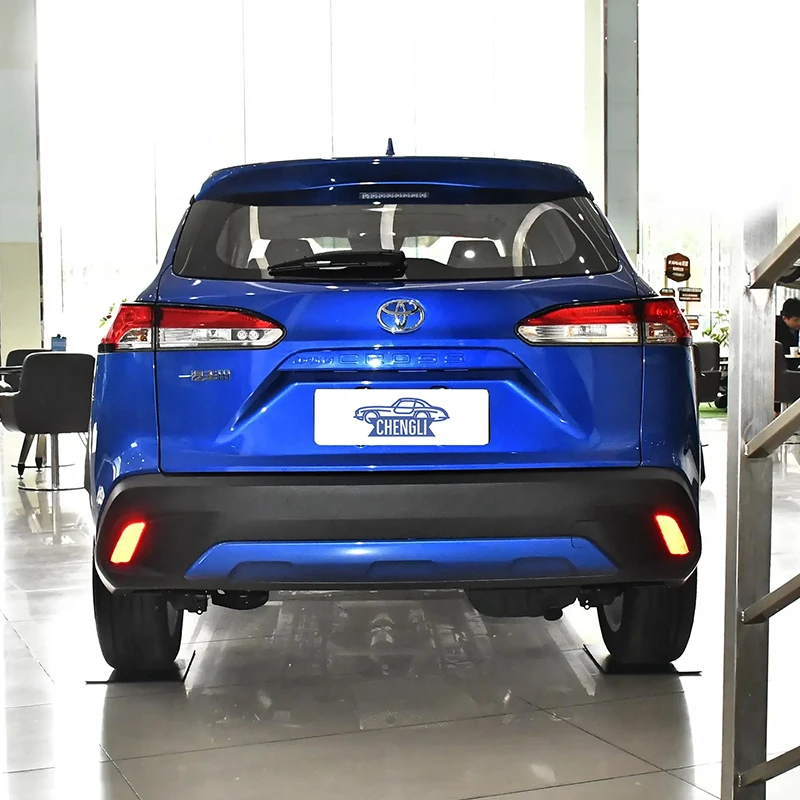
Buying a used Toyota can be a smart choice for drivers who want reliability, strong resale value, and lower ownership costs. However, even a well-known dependable brand can have a hidden past. A Toyota may look clean on the outside and drive smoothly during a test drive, yet still carry an accident record, structural damage, flood exposure, frame repair, or repeated mechanical issues. That is why checking the accident and repair history of a used Toyota is one of the most important steps before purchase.
This guide explains how to check a used Toyota’s history in a clear, practical, and SEO-friendly way. It covers what accident history means, why repair records matter, where to look, what documents to review, which red flags to watch for, and how to compare different vehicle history data points. This content is written for use in blog posts, directory pages, automotive content hubs, and industry pages.
A used Toyota with a clean history often provides better long-term value, lower maintenance surprises, and more predictable performance. A vehicle with hidden accident damage, poor repairs, or structural compromise can create safety concerns and future expenses. Even if the car has been repaired cosmetically, the previous damage may affect alignment, corrosion resistance, electronic systems, airbags, and overall durability.
When checking a used Toyota, the goal is not just to find whether the car had an accident. It is also to understand how severe the damage was, what parts were repaired or replaced, who completed the repairs, and whether the work was done properly. A minor bumper replacement is very different from frame straightening or airbag deployment. Accurate history review helps buyers make informed decisions and avoid overpaying for a vehicle with hidden issues.
Accident and repair history refers to any documented event that affected the condition, structure, safety systems, or mechanical components of the vehicle. For a used Toyota, this may include fender damage, collision repair, hail damage, vandalism, towing incidents, flood exposure, frame repair, wheel and suspension damage, glass replacement, or major paint work.
Repair history can also include routine service records, warranty work, recalls, replacement of major parts, and body shop repairs after a crash. While not all repairs are bad, the type and quality of the work matter. A well-documented repair history can actually be a positive sign because it shows that the owner maintained the vehicle properly. The concern arises when records are missing, inconsistent, or suggest serious damage without proper documentation.
There are several industry-standard sources buyers can use to investigate a Toyota’s past. The best approach is to combine multiple sources rather than relying on one single record. Each source reveals different parts of the vehicle’s story.
| Source Type | What It Shows | Why It Matters |
|---|---|---|
| Vehicle history report | Accident events, title status, ownership records, mileage history, salvage or rebuilt branding | Provides a broad overview of the car’s background |
| Maintenance and service records | Oil changes, repairs, inspections, part replacements, dealership service visits | Helps confirm regular care and identify major repairs |
| Title and registration documents | Ownership status, branding, title transfers, location history | Useful for detecting title issues or unusual ownership patterns |
| Inspection reports | Mechanical condition, emissions results, safety inspection notes, body condition | Can reveal prior defects or unresolved concerns |
| Paint and body inspection | Overspray, panel replacement, uneven gaps, repainting, frame alignment | Helps identify hidden collision repairs |
| Diagnostic scan and physical inspection | Stored fault codes, airbag system status, electronic issues, structural clues | Detects issues not always visible from paperwork alone |
The VIN is the most important starting point when checking a used Toyota’s history. This unique 17-character code identifies the specific vehicle and allows access to historical records. The VIN is usually visible on the dashboard near the windshield, inside the driver’s door jamb, on registration documents, and on insurance or service records.
Once you have the VIN, you can compare it across all paperwork to ensure consistency. Mismatched VINs are a serious warning sign. The VIN is also the key needed to check title records, accident reports, and service documentation. For buyers researching a used Toyota online, the VIN should always be verified before any decision is made.
A vehicle history report is one of the most common tools used to evaluate accident and repair history. These reports may include records of reported collisions, salvage titles, flood branding, odometer readings, registration changes, and insurance-related claims. While a history report is not always complete, it can reveal major events that affect value and safety.
When reviewing the report, pay close attention to:
Even if no accident is listed, that does not guarantee the car has never been damaged. Minor crashes may go unreported if insurance was not involved. That is why a report should be treated as a starting point, not the final answer.
Title status is a major indicator of a vehicle’s past. A Toyota with a clean title generally has no official branding for severe damage. However, branded titles may indicate salvage, rebuilt, flood, lemon law buyback, or other concerns. These titles often reflect serious issues that can affect resale value and insurability.
Understanding title branding is essential when evaluating a used Toyota. A salvage title usually means the car was declared a total loss by an insurer. A rebuilt title means the vehicle was repaired after being salvaged and returned to road use. While some rebuilt vehicles can be safe, they require very careful inspection and documentation review.
Service records are one of the most useful ways to confirm whether a Toyota has been consistently maintained and whether it has undergone major repairs. These records may include oil changes, brake work, suspension repairs, battery replacements, transmission service, alignment corrections, and body shop work.
Look for patterns in the records. For example, repeated alignment work might suggest suspension damage from a collision. Frequent body panel replacement could indicate multiple accidents. Gaps in maintenance may not prove damage, but they can reduce confidence in the vehicle’s overall condition.
A physical inspection can reveal signs of accident repair that are not obvious in photos or listings. Look closely at the paint finish, panel gaps, trim pieces, lights, bumpers, and wheel alignment. A used Toyota that has been repaired after a collision may show subtle mismatches in color or texture.
Common exterior clues include:
These signs do not always mean major damage, but they warrant closer inspection. A carefully repaired Toyota may still have visible traces of prior body work.
Frame and undercarriage inspection is especially important because structural damage is more serious than cosmetic damage. The frame supports the entire body and helps protect occupants in a crash. If a vehicle has had frame repair, improperly repaired structural damage can affect safety, tracking, tire wear, and crash performance.
During inspection, look for:
If a used Toyota shows evidence of structural repair, professional evaluation becomes even more important. Structural integrity is one of the biggest factors in determining whether a vehicle remains a good purchase.
The interior can reveal whether airbags were deployed or whether the cabin has been repaired after a serious event. Check the steering wheel, dashboard, seats, seat belts, headliner, and pillar trim. New or mismatched interior parts may indicate repairs after collision damage.
Watch for these signs:
Airbag deployment is a major issue because it often means the vehicle experienced a significant impact. Properly repaired airbags and sensors are critical for future safety.
One of the best ways to check accident and repair history on a used Toyota is to have a qualified mechanic or inspection specialist perform a pre-purchase inspection. A professional can identify structural issues, paint repair, frame concerns, electronic faults, and hidden mechanical wear that a casual buyer may miss.
A thorough inspection may include:
For used Toyota shopping, a pre-purchase inspection is often one of the best investments a buyer can make. It can save money, reduce risk, and support negotiation if problems are found.
Some accident repairs are obvious, while others are hidden. Buyers should learn the most common signs of past damage so they can spot potential problems early. Even a Toyota with a strong reputation can have collision history that is not immediately obvious in a listing.
| Possible Sign | What It May Indicate | Risk Level |
|---|---|---|
| Uneven panel gaps | Body panel replacement or structural shift | Medium |
| Fresh paint on selected panels | Collision repair or cosmetic refinishing | Medium |
| Airbag warning light | Airbag system malfunction or prior deployment | High |
| Rust under new undercoating | Possible hidden damage or poor repair work | High |
| New bolts on old parts | Part replacement after impact | Medium |
| Uneven tire wear | Alignment or suspension damage | Medium |
| Mold or water smell | Flood damage or water intrusion | High |
| Non-factory weld marks | Structural or frame repair | High |
Not all repair history is negative, but some types matter more than others. Buyers should understand the difference between routine maintenance and major event-related repairs. On a used Toyota, the most important repair categories include body repairs, mechanical repairs, safety system repairs, and structural work.
Body repairs usually involve doors, bumpers, fenders, hoods, quarter panels, and paint refinishing. These are often related to minor or moderate accidents. The key question is whether the repair was cosmetic or whether it also involved hidden structural damage.
Mechanical repair history may include replacement of suspension components, cooling systems, steering parts, engine mounts, or drivetrain components after a crash or wear-related failure. Mechanical repairs are not always a red flag, but they should match the vehicle’s age, mileage, and usage.
Safety system repairs are especially important. These may involve airbags, seat belt pretensioners, impact sensors, and electronic control modules. If these systems were repaired incorrectly, the vehicle may not protect occupants properly in future accidents.
Structural repairs are the most serious. These include frame straightening, rail replacement, pillar repair, and major welding. A Toyota with structural repair history should be examined with extra caution and reviewed by a qualified professional.
A clean history report is helpful, but it is not a guarantee that the vehicle has never been damaged. Many incidents are never reported to insurance companies or public databases. Small collisions, parking lot incidents, hail damage, and some repairs may not appear in the report.
For this reason, a clean report should be considered positive but not definitive. Buyers should still inspect the vehicle physically and compare the report with service records and title documents. The best decisions come from combining data sources rather than depending on a single record.
Repair history has a direct effect on resale value. A used Toyota with accident history usually sells for less than a comparable clean-title vehicle, especially if the damage was severe or structural. The larger the event, the greater the likely depreciation. Even when the repair was completed professionally, buyers may still discount the vehicle because of perceived risk.
From a resale perspective, transparency matters. A Toyota with complete records and clear repair documentation may be easier to resell than one with incomplete or suspicious history. Buyers prefer evidence. When repair history is documented well, it can support trust and reduce uncertainty.
Reviewing history before purchase provides several practical benefits. It can reduce the risk of buying a damaged vehicle, help support better pricing negotiations, and improve long-term ownership satisfaction. It also helps buyers identify vehicles that have been repaired properly versus those with uncertain pasts.
| Buyer Benefit | Why It Matters |
|---|---|
| Better safety awareness | Helps identify hidden structural or airbag issues |
| More accurate pricing | Prevents overpaying for a car with damage history |
| Lower repair risk | Reduces the chance of future surprise expenses |
| Stronger negotiation | Provides evidence when discussing price adjustments |
| Improved resale confidence | Helps ensure the car will be easier to sell later |
| Better ownership satisfaction | Gives the buyer peace of mind and clearer expectations |
When checking accident and repair history, buyers should also review the vehicle’s general specifications. These details help determine whether the car’s condition matches its reported history and whether repairs may have affected performance or safety.
| Specification | What to Review | Why It Matters |
|---|---|---|
| VIN | Matches all documents and labels | Confirms identity and traceable history |
| Model year | Age of the vehicle | Helps assess expected wear and repair patterns |
| Mileage | Odometer reading and mileage consistency | Supports history verification and condition assessment |
| Title type | Clean, salvage, rebuilt, flood, or branded | Indicates major past events |
| Ownership count | Number of previous owners | More owners can mean more history complexity |
| Service history | Maintenance frequency and repair records | Shows how well the car was cared for |
| Inspection status | Passed or failed inspections | Can reveal unresolved mechanical or safety issues |
| Body condition | Paint, panels, glass, trim, rust | Helps detect past collision or weather damage |
Some warning signs should prompt additional caution or a full walkaway decision. Buyers should pay attention to document gaps, inconsistencies, and visible repair clues. One red flag alone does not always mean the vehicle is bad, but multiple red flags together can signal serious hidden problems.
Not every repaired Toyota should be rejected. Some vehicles are repaired correctly and remain safe and reliable. The key is to evaluate the quality of the repairs rather than assuming all damage is disqualifying.
Good repair quality usually includes:
Poor repair quality may include rough paint texture, visible welds, poor alignment, recurring electrical issues, or inconsistent part fitment. If a Toyota has major repair history but still looks and drives poorly, the risk is higher.
Across the used vehicle market, certain accident and repair patterns appear frequently. These may not be unique to Toyota, but they are common enough that buyers should know them.
A Toyota with accident or repair history is not automatically a bad purchase. In some cases, a well-repaired vehicle can offer strong value, especially if the damage was minor, properly documented, and professionally repaired. Buyers may consider such vehicles if the price reflects the history and the inspection results are favorable.
A used Toyota may still be worth considering when:
In contrast, major frame damage, flood damage, repeated undisclosed repairs, or unresolved safety system problems usually justify avoiding the vehicle.
Learning how to check accident and repair history on a used Toyota is essential for making a safe, informed, and financially smart purchase. By reviewing the VIN, title status, service records, exterior condition, structural components, and professional inspection results, buyers can build a much clearer picture of the car’s true condition.
A used Toyota can be an excellent investment, but only when its history is understood. A clean report, transparent records, and solid physical condition are strong signs of a trustworthy vehicle. On the other hand, hidden damage, missing documents, and poor repair quality are warning signs that should not be ignored. The more thoroughly you review the car’s accident and repair history, the more likely you are to choose a Toyota that delivers lasting value, safety, and peace of mind.
This website uses cookies to ensure you get the best experience on our website.



 Phone
Phone
Comment
(0)