

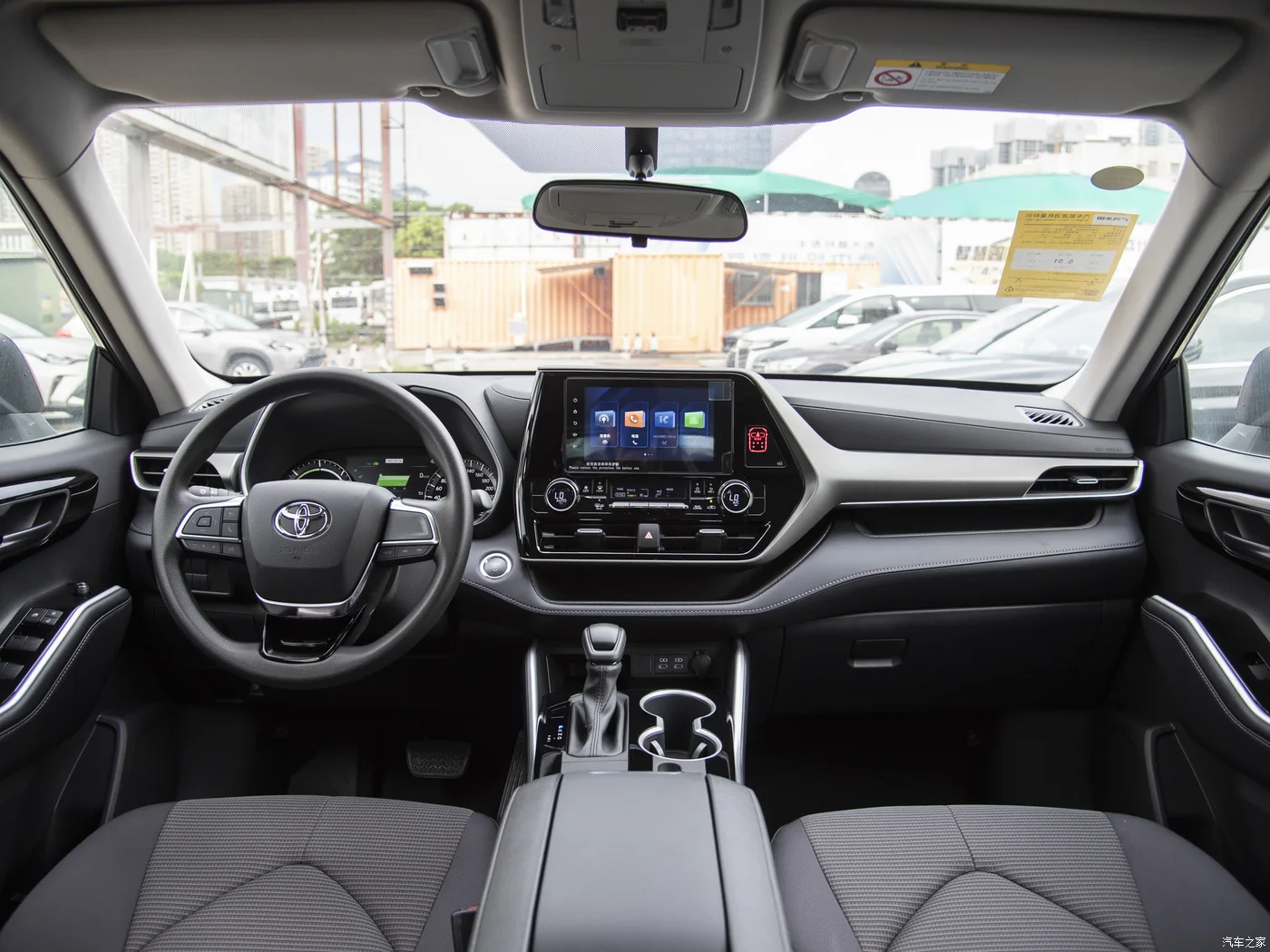
For overseas dealers looking to expand inventory quickly and efficiently, ready-to-ship used Toyota cars are one of the most practical sourcing options in the global automotive market. Toyota’s reputation for durability, low maintenance costs, strong resale value, and wide model recognition makes it a leading choice for dealers serving diverse international markets. When vehicles are already inspected, documented, and prepared for export, dealers can shorten lead times, reduce sourcing friction, and respond faster to customer demand.
This guide explains what ready-to-ship used Toyota cars are, why they are popular with overseas dealers, how the export process works, what specifications matter most, and which models, fuel types, and vehicle conditions are commonly preferred in the international used car trade. The content below is written for use on blog pages, directory pages, industry landing pages, or SEO-friendly trade content. It contains general industry information only and does not include specific company recommendations.
Ready-to-ship used Toyota cars are pre-owned Toyota vehicles that have been inspected, documented, and prepared for immediate export or overseas shipment. In the used vehicle trade, “ready-to-ship” usually means the car is already in a condition suitable for loading into a container, Ro-Ro vessel, or other export logistics method without requiring major reconditioning or waiting periods.
For overseas dealers, this term is important because it reduces inventory delay. Instead of waiting for sourcing, repairs, title processing, or additional inspection, a ready-to-ship used Toyota car is generally already organized for the next stage of transport. This is especially valuable in markets where dealer turnover, fleet replacement, and customer delivery timelines must remain fast and predictable.
In practical terms, ready-to-ship inventory often includes vehicles that are:
Because Toyota vehicles are widely known for reliability and international parts availability, they are highly suitable for overseas dealership channels, especially in Africa, Asia, the Middle East, Latin America, and parts of Eastern Europe.
Overseas dealers often choose used Toyota cars for a combination of market, operational, and financial reasons. These vehicles tend to be easier to sell, easier to service, and more familiar to end customers than many competing brands.
Toyota is one of the most recognized automotive brands in the world. In many export markets, buyers actively search for Toyota because they associate it with reliability, fuel efficiency, and durability. For dealers, this brand recognition can improve listing performance and shorten sales cycles.
Used Toyota vehicles usually maintain strong resale value compared with many other brands. This is important for dealers because it supports healthier margins, better inventory liquidity, and more predictable trade-in or wholesale demand.
One major advantage of Toyota in overseas markets is the wide availability of replacement parts and experienced mechanics. Dealers benefit because customers are more confident buying a vehicle that can be maintained locally without excessive cost or complexity.
Toyota offers sedans, hatchbacks, SUVs, pickups, vans, and hybrid vehicles. This broad lineup makes it easier for dealers to source inventory that fits different market segments, from budget commuters to commercial operators and family buyers.
In many regions, fuel economy is a major purchasing factor. Used Toyota cars are commonly chosen because they often provide efficient operation, long service life, and dependable performance under varied road conditions.
Overseas used car markets often favor Japanese vehicles, especially Toyota models. Demand remains high due to reputation, availability, and a proven track record in both urban and rural environments.
In automotive export trade, “ready-to-ship” is more than just a marketing phrase. It implies that the vehicle has already passed several practical stages necessary for export readiness.
| Stage | Meaning | Why It Matters to Dealers |
|---|---|---|
| Initial Sourcing | The vehicle has been selected from available inventory | Helps dealers access faster-moving stock |
| Inspection | Basic mechanical and visual checks are completed | Reduces risk of major hidden issues |
| Documentation | Export paperwork and vehicle information are prepared | Supports customs clearance and compliance |
| Cleaning and Preparation | Vehicle is cleaned and made shipment-ready | Improves presentation and handling |
| Loading Readiness | The car is positioned for container or vessel shipment | Shortens dispatch time and reduces delays |
For dealers, this workflow can make inventory management more efficient. Instead of dealing with long lead times, ready-to-ship used Toyota cars allow faster order fulfillment and quicker turnover.
While demand varies by country, several Toyota models consistently appear in the international used car trade. Dealers often prioritize these models because they have strong recognition, practical dimensions, accessible servicing, and broad buyer appeal.
| Model Category | Common Examples | Typical Buyer Interest |
|---|---|---|
| Compact Sedan | Corolla, Belta, Premio | Daily commuting, taxi use, family transport |
| Mid-size Sedan | Camry, Mark X, Avensis | Comfort-focused buyers, executive transport |
| Hatchback | Vitz, Yaris, Aqua | Urban driving, fuel economy, first-time buyers |
| SUV | RAV4, Harrier, Land Cruiser | Rugged use, family travel, premium demand |
| Pickup | Hilux, Tacoma | Commercial use, construction, farming, logistics |
| Van / MPV | Hiace, Noah, Alphard | Passenger transport, shuttle services, tourism |
| Hybrid | Prius, Aqua, Corolla Hybrid | Fuel-conscious buyers, city fleets, eco-focused markets |
These models are often selected by overseas dealers because they have broad market recognition and stable second-hand demand. A dealer may focus on one segment or mix several categories to serve different customer groups.
The phrase ready-to-ship used Toyota cars includes both product quality and logistics efficiency. For overseas dealers, the combination offers several practical advantages.
When vehicles are already ready for shipment, dealers can move inventory faster. Faster turnover improves cash flow and helps businesses respond to market opportunities without long waiting periods.
Export-ready vehicles generally come with organized documentation and clear vehicle details. This reduces time spent on paperwork corrections, title checks, and shipment preparation.
Pre-shipment inspection helps reduce the risk that the delivered car will differ significantly from what the dealer expected. This matters because overseas buyers often depend on accurate listings and inspection reports.
Used Toyota cars with transparent condition information, mileage records, and preparation status are easier to market. Buyers are more likely to trust an inventory listing when the car is clearly described and shipment-ready.
Ready-to-ship Toyota inventory can be marketed across multiple channels: retail dealers, wholesale resellers, fleet operators, rental businesses, and public tenders. This flexibility strengthens demand opportunities.
Vehicles that stay in stock too long create holding costs. Faster shipping reduces yard time and supports more efficient inventory cycles.
When sourcing used Toyota cars for export, overseas dealers usually focus on a consistent set of specifications. These details affect both marketability and compliance in destination countries.
| Specification | Why It Matters | Common Dealer Preference |
|---|---|---|
| Model Year | Impacts legality, market appeal, and pricing | Newer years often preferred, depending on import rules |
| Mileage | Influences condition perception and resale value | Lower mileage is usually more attractive |
| Engine Type | Determines fuel use, maintenance, and performance | Gasoline, diesel, or hybrid depending on market |
| Transmission | Affects driving comfort and buyer preference | Automatic is often preferred in many markets |
| Drive Type | Influences handling and road suitability | 2WD or 4WD depending on terrain and use case |
| Body Condition | Visual presentation and repair cost | Clean body with minimal rust or major damage |
| Interior Condition | Comfort and resale perception | Clean seats, working features, no heavy wear |
| Service History | Indicates maintenance consistency | Documented maintenance is highly preferred |
| Emission Standard | Impacts import eligibility in some countries | Must align with destination regulations |
Dealers should always consider both the vehicle’s condition and the destination market’s requirements. A car that sells well in one country may not be suitable in another due to age limits, emission restrictions, or steering-side preferences.
Among global used car buyers, Toyota is often treated as a “safe choice.” This reputation is especially important in export markets where buyers want long-lasting vehicles with predictable service costs.
Toyota vehicles are widely known for:
For overseas dealers, this reputation makes Toyota inventory easier to position in listings, promotions, and wholesale negotiations. A used Toyota car often requires less brand explanation than lesser-known alternatives, which can improve conversion rates and buyer confidence.
Used Toyota cars are exported globally, but demand is especially active in regions where buyers value durability, affordability, and serviceability. Overseas dealers often monitor demand trends in the following broad markets:
| Region | Typical Demand Drivers | Popular Vehicle Types |
|---|---|---|
| Africa | Durability, road adaptability, parts availability | Sedans, SUVs, pickups, vans |
| Middle East | Climate tolerance, comfort, brand trust | SUVs, pickups, large sedans |
| Asia | Fuel efficiency, city use, value for money | Compact cars, hybrids, small SUVs |
| Latin America | Reliability, resale value, easy maintenance | Sedans, pickups, MPVs |
| Eastern Europe | Affordability, performance, spare parts | Sedans, hatchbacks, SUVs |
Dealers should always study local import rules before selecting inventory. Vehicle age limits, steering regulations, emission standards, and tax structures can all influence profitability.
Condition is one of the most important elements in used vehicle trade. Overseas dealers usually review a vehicle’s grade or condition summary before making a purchase decision. While grading systems vary by market and supplier, the same core factors are generally considered.
The body should be checked for dents, scratches, rust, repainting, and signs of prior accident damage. A clean exterior improves pricing and marketability.
Interior quality affects the customer’s first impression. Seats, dashboard, controls, air conditioning, and electrical components should be inspected carefully.
The engine should start smoothly, idle properly, and show no signs of major oil leaks or abnormal noise. Transmission performance is equally important, especially for automatic vehicles.
Vehicles used on rough roads may show wear in the suspension, chassis, or underbody. Overseas dealers often request undercarriage checks because these issues may not be obvious in photos alone.
Lights, indicators, airbags, dashboard warning lights, power windows, and infotainment systems should all be tested where possible. Functioning safety systems help support buyer trust.
Fuel type is a major buying factor in many export markets. Toyota offers a wide range of engines and powertrains that suit different user needs.
| Fuel Type | Main Advantages | Common Use Cases |
|---|---|---|
| Gasoline | Simple, widely accepted, easy to service | Daily commuting, family use, general retail sales |
| Diesel | Strong torque, useful for heavy-duty operation | Pickups, commercial transport, long-distance use |
| Hybrid | Excellent fuel economy, lower running cost | Urban fleets, eco-conscious consumers, taxi services |
| Gasoline Hybrid | Balanced performance and efficiency | Mixed city and suburban driving |
Hybrid Toyota models are increasingly important in the used export market because fuel economy is becoming more valuable worldwide. In markets with high fuel prices or traffic congestion, hybrid inventory may be particularly attractive.
The “ready-to-ship” process is closely tied to logistics. Overseas dealers should understand the main shipping methods and their impact on cost, speed, and vehicle protection.
Container shipping is often used for vehicles requiring extra protection or for combined cargo. It may provide better security and allow additional parts or accessories to be shipped with the vehicle, depending on regulations.
Roll-on/Roll-off shipping is a common method for moving vehicles internationally. The car is driven onto the vessel and secured for sea transport. This is often a cost-efficient method for standard used vehicle exports.
Before shipment, vehicles are typically inspected for fluid leaks, battery condition, tire inflation, and loose items. Dealers should also ensure that the documents match the vehicle details exactly.
Efficient shipping depends on:
Documentation requirements vary by country, but overseas dealers should expect to review a standard set of export-related papers when dealing in used Toyota cars.
| Document | Purpose | Dealer Benefit |
|---|---|---|
| Vehicle Title / Ownership Document | Proves legal ownership | Supports lawful export and transfer |
| Export Certificate | Confirms the vehicle is cleared for export | Helps with customs and registration |
| Invoice | Shows transaction details and value | Used for accounting and customs declaration |
| Inspection Report | Summarizes the car’s condition | Improves buyer trust and transparency |
| Packing / Loading List | Lists items shipped | Useful for logistics and verification |
| Bill of Lading | Shipping contract and cargo receipt | Important for freight tracking and claims |
Dealers should always check local import regulations before shipment. Requirements may change depending on the destination country, vehicle age, engine size, and emissions compliance.
When selecting ready-to-ship used Toyota cars, overseas dealers usually evaluate a set of commercial and technical criteria to estimate market success.
Is the model popular in the destination market? Is there active demand for that segment, fuel type, and body style?
Does the vehicle allow enough margin after shipping, customs, duties, and local taxes? Dealers should calculate total landed cost before purchasing.
A lower-priced car with poor condition may not be a better deal than a slightly more expensive car with better grade, lower mileage, and stronger presentation.
Some markets have age restrictions, right-hand drive or left-hand drive limitations, or environmental rules. These must be checked early.
Consider how easy it will be for local customers to maintain the car. Strong parts support and easy servicing increase buyer confidence.
The international used Toyota market changes over time, but several trends remain consistent.
These trends support the ongoing popularity of ready-to-ship used Toyota cars in the export sector. Dealers who understand buyer preferences can improve inventory selection and reduce time-to-sale.
For content purposes, the phrase ready-to-ship used Toyota cars can be associated with the following high-value benefits:
These advantages make Toyota one of the most practical brands for international used car trade. Whether a dealer focuses on compact sedans, SUVs, vans, pickups, or hybrids, ready-to-ship inventory can help improve operational efficiency and customer response.
| Term | Simple Definition |
|---|---|
| Ready-to-Ship | Vehicle prepared for immediate export or loading |
| Used Toyota Car | Pre-owned Toyota vehicle available for resale or export |
| Dealer Inventory | Cars held for resale by a dealer |
| Inspection Report | Document describing the vehicle’s condition |
| Bill of Lading | Shipping document issued for freight transport |
| Landed Cost | Total cost after shipping, duties, and taxes |
| Export Grade | Condition rating used to describe a vehicle before shipment |
| Ro-Ro | Roll-on/Roll-off shipping method for vehicles |
| Container Shipping | Method of transporting vehicles inside a shipping container |
Ready-to-ship used Toyota cars remain a highly attractive category for overseas dealers because they combine strong brand trust, broad model variety, export efficiency, and dependable resale potential. In international markets where speed, condition transparency, and value are critical, Toyota continues to stand out as a practical and commercially reliable choice.
For dealers, the most important factors are not only the vehicle itself but also the preparation status, documentation accuracy, market suitability, and logistics readiness. When these elements align, ready-to-ship used Toyota inventory can support faster sales, stronger margins, and more stable long-term trade performance.
If you are building an SEO-focused blog, category page, or industry landing page around used vehicle export, Toyota is one of the strongest keywords to target because of its search demand, commercial relevance, and global recognition.
Suggested SEO keyword variations: ready-to-ship used Toyota cars, used Toyota cars for export, Toyota used cars for overseas dealers, export-ready Toyota vehicles, Japanese used Toyota cars, ready to ship Toyota stock, Toyota car export guide, overseas dealer used car sourcing.
This website uses cookies to ensure you get the best experience on our website.



 Phone
Phone
Comment
(0)