

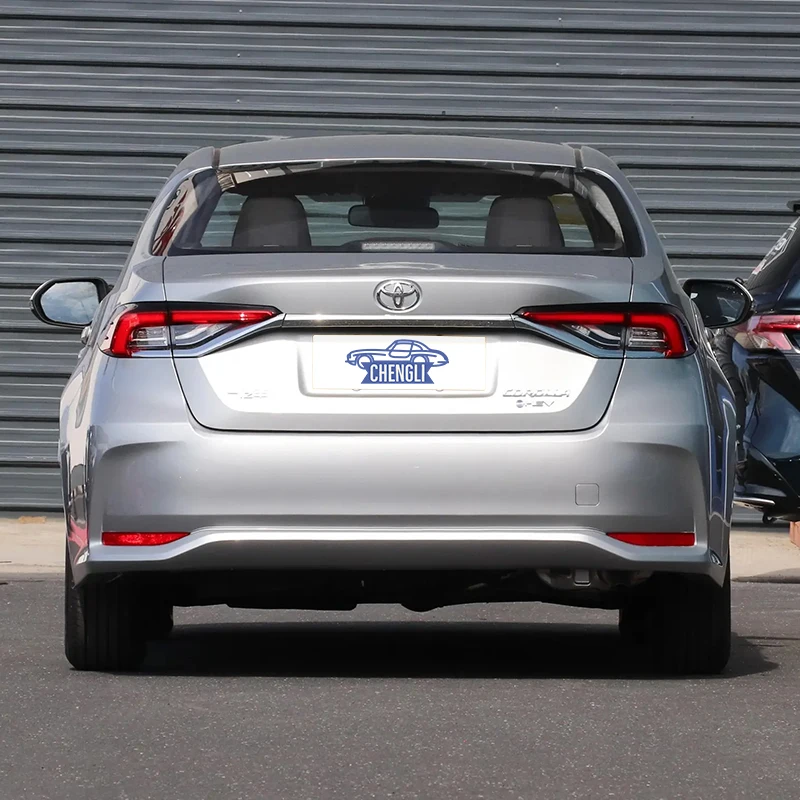
Importing used Toyota cars from China has become an increasingly practical option for international buyers, dealers, wholesalers, and fleet operators looking for affordable, reliable, and well-maintained vehicles. Toyota’s global reputation for durability, fuel efficiency, low maintenance costs, and strong resale value makes it one of the most searched automotive brands in the used car import market. For buyers who want access to a wide selection of models, competitive pricing, and flexible sourcing channels, China has emerged as a major export hub for used Toyota cars.
This guide explains how to import used Toyota cars from China step by step, using industry-standard information only. It is designed for SEO-friendly publishing, direct HTML insertion, and long-form content use on blogs, category pages, landing pages, and industry guides. It includes definitions, advantages, practical procedures, documentation basics, quality checkpoints, shipping methods, compliance considerations, and specification tables. No specific companies are recommended.
China has developed a strong used car export ecosystem, supported by logistics infrastructure, port access, vehicle sourcing channels, inspection workflows, and export processing services. For buyers searching for used Toyota cars, China offers several advantages that make the sourcing process attractive.
For many importers, the combination of price, reliability, and global recognition makes used Toyota cars a low-risk and high-demand import category.
The phrase used Toyota cars from China refers to pre-owned Toyota vehicles located in China that are sourced for export to other countries. These cars may be originally sold in China’s domestic market or sourced through trade channels, fleet use, or vehicle circulation networks. They are inspected, prepared, documented, and shipped to overseas buyers under relevant export procedures.
In general, the term includes:
Depending on the destination country, importers may choose vehicles based on mileage, model year, emission standards, left-hand or right-hand drive configuration, and local registration rules.
The first step in importing used Toyota cars from China is to define exactly what kind of vehicle you need. A clear requirement sheet helps reduce sourcing mistakes and improves quotation accuracy.
A strong import specification reduces wasted time and ensures you receive matching offers from the start.
Before placing any order, buyers should confirm the import requirements of their own country. This is one of the most important steps in the entire process. Every market has different rules regarding vehicle age, emissions, roadworthiness, steering position, and customs clearance.
Some countries allow relatively flexible used vehicle imports, while others have strict limitations. Buyers should always verify regulations with customs authorities, transport agencies, or licensed customs brokers before purchasing a used Toyota car from China.
Toyota has one of the most diverse model portfolios in the global used vehicle market. Choosing the right model depends on demand, running cost, destination road conditions, and customer preferences.
| Model | Vehicle Type | Typical Market Use | Key Selling Point |
|---|---|---|---|
| Toyota Corolla | Sedan | Daily commuting, taxi, family use | Fuel efficiency and low maintenance |
| Toyota Camry | Sedan | Business and private use | Comfort and strong resale value |
| Toyota RAV4 | SUV | Urban and mixed driving | Versatility and reliability |
| Toyota Highlander | SUV | Family transport | Space and premium practicality |
| Toyota Prado | 4x4 SUV | Rough roads and off-road use | Durability and strong performance |
| Toyota Land Cruiser | Large SUV | Commercial, field, and utility use | Heavy-duty reliability |
| Toyota Alphard | MPV | VIP transport, family travel | Luxury comfort and premium interior |
| Toyota Prius | Hybrid | Fuel-saving urban driving | Excellent fuel economy |
When selecting a model, buyers should also consider spare parts availability, local repair expertise, and after-sales market demand.
Used Toyota cars in China can be sourced through different channels, and each channel has unique benefits. Understanding these sourcing methods helps importers make informed decisions.
Each sourcing channel offers different price levels, lead times, and inspection visibility. Dealers and wholesalers often prefer stock that is already export-prepared, while experienced importers may seek auction or wholesale channels for cost advantages.
Vehicle inspection is a critical step in the import process. Buyers should never rely only on photos or summary descriptions. A proper inspection helps confirm the condition and reduces the risk of importing a vehicle with hidden issues.
Toyota vehicles are generally known for durability, but inspection is still essential. Even reliable brands can have issues if a car has been poorly maintained or damaged in previous use.
Documentation is one of the most important parts of the import process. Before shipment, buyers should confirm that the vehicle documents are complete, accurate, and consistent with the physical car.
| Document | Purpose | Why It Matters |
|---|---|---|
| Sales invoice | Confirms purchase transaction | Used for payment and customs records |
| Vehicle identification details | Lists VIN, model, year, and specifications | Matches the car with paperwork |
| Export certificate or export declaration | Supports legal export processing | Required for shipment and customs |
| Inspection report | Summarizes vehicle condition | Helps assess quality and risk |
| Bill of lading | Shipping document issued by carrier | Needed for cargo release at destination |
| Packing or loading list | Describes shipment contents | Supports customs declaration |
Buyers should always check the VIN, engine number, model year, and trim details carefully. Any mismatch can delay customs clearance or registration.
The vehicle’s purchase price is only one part of the total import cost. For accurate budgeting, buyers must calculate the landed cost, which includes shipping and all destination expenses.
Many first-time importers focus only on the vehicle price, but a low car price does not always mean a low overall cost. The best practice is to request a full landed-cost estimate before final confirmation.
Used Toyota cars imported from China are usually shipped by sea, though the exact method depends on the destination, vehicle volume, and budget. The shipping method can affect both cost and vehicle protection.
| Shipping Method | Description | Best For | Notes |
|---|---|---|---|
| Container shipping | Vehicle loaded inside a sea container | High-value cars, added protection | Offers better security and privacy |
| Roll-on/Roll-off (RoRo) | Vehicle driven onto a specialized vessel | Standard used car export | Often cost-effective and efficient |
| Bulk or shared shipping | Multiple units shipped together in a combined arrangement | Wholesalers and fleet orders | May improve cost efficiency |
Container shipping may provide more protection, while RoRo shipping is often simpler and cost-competitive. The best option depends on the destination country, vehicle value, and logistics requirements.
Customs clearance is the official process that allows the vehicle to enter the destination country. It usually involves document review, tax assessment, and regulatory checks. Importers should prepare all paperwork early to avoid delays.
If the destination country requires additional certifications, buyers should prepare them in advance. Missing documents can lead to storage charges, delays, or even refusal of entry.
After the used Toyota car arrives in the destination country and clears customs, the final step is registration and road-legal approval. This can include local inspection, emission testing, title transfer, or plate issuance depending on the jurisdiction.
Once the registration process is completed, the vehicle can be legally used, sold, or added to a fleet.
The following table provides a general overview of typical Toyota vehicle categories often imported from China. Exact specifications vary by model year, trim, and market configuration.
| Model Category | Body Style | Seating Capacity | Fuel Type | Common Transmission | Main Advantage |
|---|---|---|---|---|---|
| Corolla class | Sedan | 5 | Petrol / Hybrid | Automatic / Manual | Economy and easy maintenance |
| Camry class | Mid-size sedan | 5 | Petrol / Hybrid | Automatic | Comfort and premium feel |
| RAV4 class | Compact SUV | 5 | Petrol / Hybrid | Automatic | Versatility and urban usability |
| Highlander class | Large SUV | 7 | Petrol / Hybrid | Automatic | Family capacity and comfort |
| Prado class | Off-road SUV | 5-7 | Petrol / Diesel | Automatic | Rugged performance |
| Alphard class | Luxury MPV | 7-8 | Petrol / Hybrid | Automatic | Premium passenger comfort |
| Prius class | Hybrid hatchback/sedan | 5 | Hybrid | Automatic | Excellent fuel savings |
Used Toyota cars may be described using grading systems or condition terms. While the exact grading format differs by seller or market, the following general categories are commonly used.
| Condition Grade | Meaning | Buyer Expectation |
|---|---|---|
| Excellent | Very clean, low wear, minimal issues | Suitable for premium resale or fleet use |
| Good | Normal wear consistent with age and mileage | Most common import choice |
| Fair | Visible wear, but still usable | May require repair or reconditioning |
| As-is | No major preparation or reconditioning | Higher risk, usually lower price |
Importers should always confirm condition in detail rather than relying only on generic labels.
Toyota remains one of the strongest brands in the global used vehicle market for several reasons. These advantages help explain why used Toyota cars from China continue to attract importers from many countries.
These benefits make Toyota one of the most searched names in used car export, especially for importers looking for stable inventory turnover and reliable customer demand.
Although importing used Toyota cars from China can be profitable, buyers should be aware of common risks in the used vehicle trade. Proper due diligence helps reduce losses and delays.
A careful import process protects both budget and reputation, especially for dealers and wholesale buyers.
For content planning and semantic SEO, the following keyword themes are commonly associated with this topic. These can support internal linking, category building, and long-tail search visibility.
Using these terms naturally throughout a page can improve topical relevance without keyword stuffing. Search engines reward clear structure, useful information, and consistent subject coverage.
Yes, it can be safe when the vehicle is inspected properly, documents are verified, and import regulations are followed. Due diligence is essential.
Commonly imported models include Corolla, Camry, RAV4, Highlander, Prado, Land Cruiser, Alphard, and Prius, depending on destination demand.
There is no single best method. Container shipping offers more protection, while RoRo shipping is often more cost-effective for standard vehicles.
Taxes, duties, shipping charges, and local compliance costs can significantly affect the total landed cost.
In many cases, a customs broker or clearing agent is helpful because they understand local import rules, documents, and procedures.
Importing used Toyota cars from China step by step requires careful planning, correct vehicle selection, strong document control, and awareness of destination import regulations. The process usually includes defining your needs, checking legal requirements, selecting the right Toyota model, sourcing the vehicle, inspecting its condition, verifying documents, negotiating total cost, arranging shipping, clearing customs, and completing local registration.
Because Toyota vehicles are widely trusted for reliability, fuel efficiency, and resale value, they remain one of the best choices in the used car import market. China adds further value through broad sourcing options, competitive pricing, and export-oriented logistics support. For buyers, dealers, and wholesale importers, a structured approach can reduce risk and improve profitability.
If you are building an industry page, blog article, or category landing page, this topic supports strong SEO performance through keyword relevance, user intent alignment, clear heading hierarchy, table-based data presentation, and practical informational depth. The most important success factors are research, inspection, compliance, and accurate landed-cost planning.
This website uses cookies to ensure you get the best experience on our website.



 Phone
Phone
Comment
(0)