

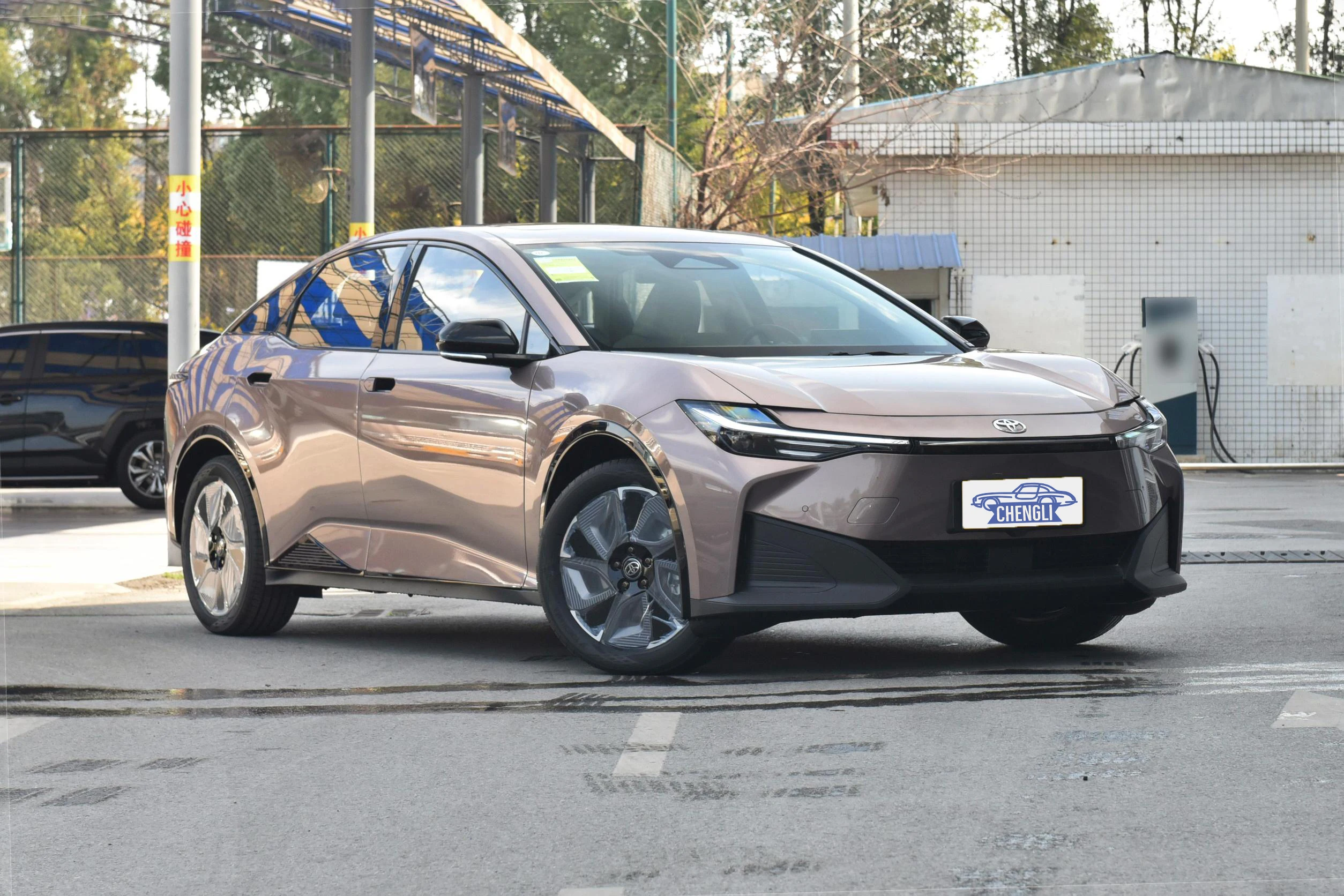
The market for used Toyota cars for Uzbekistan continues to grow because Toyota is widely trusted for
reliability, long service life, strong resale value, and practical ownership costs. For importers, wholesalers,
dealers, and marketplace operators, sourcing the right Toyota inventory for Uzbekistan requires a clear strategy,
verified specifications, and an understanding of local buyer demand. This guide provides industry-wide information
only, with no company recommendations, and is designed for SEO, blog use, category pages, directory pages, and
automotive industry content.
If you are building a business around used Toyota cars in Uzbekistan, the most important factors are
model selection, condition grading, mileage, transmission type, fuel economy, export documentation, right-hand drive
versus left-hand drive preference, and after-sales parts availability. A dealer sourcing guide should focus on how
to identify demand, what specifications matter, and how to evaluate vehicles for import into Uzbekistan.
Toyota vehicles are commonly preferred in many international used-car markets because they offer a strong balance of
durability, comfort, and predictable maintenance. In Uzbekistan, used Toyota cars are often searched by buyers who
want dependable transportation for city use, intercity travel, business fleets, ride-hailing, family driving, and
long-distance road conditions.
The appeal of Toyota in Uzbekistan is driven by several practical reasons:
Sourcing inventory for Uzbekistan is not only about buying low and selling high. A successful dealer sourcing plan
must match the local market with the right trim levels, engine sizes, and transmission types. The best-performing
stock often depends on affordability, road conditions, fuel prices, climate, and end-user expectations.
| Sourcing Factor | Why It Matters | Dealer Focus |
|---|---|---|
| Model selection | Affects demand, resale speed, and audience fit | Prioritize proven Toyota sedans, SUVs, and compact vehicles |
| Mileage | Impacts pricing and buyer confidence | Source low-to-moderate mileage units with verified odometer history |
| Condition grade | Determines refurbishment cost and customer satisfaction | Inspect body, engine, transmission, suspension, and interior condition |
| Transmission type | Affects driving preference and maintenance | Offer both automatic and manual options depending on market demand |
| Fuel type | Influences operating cost and suitability | Focus on petrol, diesel, and hybrid options based on local demand |
| Documentation | Critical for customs clearance and registration | Verify title, export papers, invoice, and inspection records |
| Parts support | Helps ownership cost and repair turnaround | Choose models with common spare parts and service familiarity |
Dealers often focus on a mix of sedans, crossovers, and SUVs because these categories serve the broadest buyer
groups. While demand changes over time, some Toyota model families are repeatedly attractive in the used-car
segment due to durability and practical ownership costs.
| Model Category | Typical Buyer Use | Why It Sells Well |
|---|---|---|
| Toyota Corolla | Daily commuting, family use, taxi fleets | Efficient, reliable, easy to maintain |
| Toyota Camry | Business driving, executive use, family travel | Comfortable, strong resale demand, premium feel |
| Toyota RAV4 | Urban and highway driving, mixed road conditions | Versatile SUV format, broad audience |
| Toyota Land Cruiser | Rural travel, rugged use, high-end buyers | Durability, off-road reputation, high status value |
| Toyota Prado | Family SUV, business transport, long-distance driving | Strong comfort and image appeal |
| Toyota Prius | Fuel-saving urban driving, taxi applications | Hybrid efficiency and low running costs |
| Toyota Highlander | Large family transport, premium SUV demand | Spacious interior and strong utility |
| Toyota Yaris | City commuting, first-time buyers, budget users | Compact size and affordable operation |
For many buyers, the greatest advantage of Toyota is not just brand reputation but total ownership value. A used
Toyota may cost more than some alternatives upfront, but the long-term economics often justify the purchase.
Understanding customer expectations is essential for any dealer sourcing guide. Buyers in Uzbekistan often compare
Toyota vehicles based on practicality, fuel economy, comfort, and repair affordability. They are also likely to ask
about accident history, service history, engine condition, and whether the car has been repainted or repaired.
| Buyer Preference | Typical Priority | Dealer Implication |
|---|---|---|
| Low fuel consumption | High | Promote efficient engines and hybrid options |
| Good exterior condition | High | Inspect paint, panels, headlights, and glass |
| Clean interior | High | Detail seats, dashboard, carpets, and trims |
| Automatic transmission | High | Stock enough automatic units for broader appeal |
| Verified mileage | High | Use inspection records and history reports where available |
| Affordable maintenance | High | Focus on models with low-cost routine service |
When browsing used Toyota cars for Uzbekistan, buyers often compare several technical and practical specifications.
Dealers should present these details clearly to improve trust and conversion rates. SEO-friendly pages also benefit
from structured specification content because it helps search engines understand the topic.
| Specification | What Buyers Want to Know | Why It Matters |
|---|---|---|
| Engine size | 1.3L, 1.5L, 2.0L, 2.4L, 3.5L, etc. | Affects power, fuel use, and tax/ownership costs |
| Fuel type | Petrol, diesel, hybrid | Influences daily running cost and performance |
| Transmission | Automatic or manual | Determines comfort and driver preference |
| Drivetrain | FWD, RWD, AWD, 4WD | Important for terrain, weather, and usage |
| Seating capacity | 4, 5, 7, or more | Matches family, business, or fleet use |
| Mileage | Actual kilometers or miles driven | Helps estimate remaining lifespan and wear |
| Body condition | Paint, panels, corrosion, structural integrity | Shows accident history and refurbishment needs |
| Service history | Records of maintenance and repairs | Supports confidence in long-term reliability |
Dealers can source used Toyota cars through multiple industry channels. Each sourcing channel has advantages and
trade-offs in terms of price, vehicle quality, logistics, and documentation. A balanced sourcing strategy often
combines several channels rather than relying on only one.
| Sourcing Channel | Advantages | Risks or Limitations |
|---|---|---|
| Wholesale auctions | Large inventory access, competitive pricing | Condition can vary, inspection time may be limited |
| Trade-in channels | Known local history, easier customer trust | Smaller volume, inconsistent supply |
| Fleet disposals | Structured maintenance records, bulk opportunities | High mileage, heavy prior use |
| Export brokers | International sourcing access, wider model range | Requires stronger document verification |
| Direct owner purchases | Potentially better pricing, clearer history | Time-consuming and lower volume |
A proper inspection process is essential before purchase, shipment, or resale. Used Toyota vehicles may appear clean
visually but still have hidden issues related to engine wear, transmission problems, frame damage, electrical faults,
or accident repairs. Dealers should use a standardized checklist to reduce risk.
| Inspection Area | What to Check | Red Flags |
|---|---|---|
| Engine | Noise, smoke, leaks, idle quality | Knocking, overheating, oil burning |
| Transmission | Shifting smoothness, slipping, response | Delayed shifts, jerking, warning lights |
| Suspension | Ride comfort, shocks, bushings, alignment | Pulling, vibration, uneven tire wear |
| Brakes | Pad thickness, rotor condition, pedal feel | Squealing, spongy pedal, braking imbalance |
| Body structure | Frame straightness, welds, repair signs | Rust, flood damage, accident distortion |
| Interior | Seats, electronics, dashboard, AC, infotainment | Broken switches, water staining, mold odor |
| Electrical system | Lights, sensors, battery, warning indicators | Fault codes, flickering, nonfunctional systems |
Different buyers prefer different body types depending on their daily use and budget. Dealers can improve inventory
turnover by keeping a balanced stock mix. For example, sedans may sell faster to commuting buyers, while SUVs may
attract family and premium users.
| Body Type | Typical Demand | Best Use Case |
|---|---|---|
| Sedan | Very high | Daily use, business driving, taxi services |
| SUV | High | Families, mixed roads, premium transport |
| Hatchback | Moderate | Urban driving, small budgets, tight parking |
| Wagon | Moderate | Storage space, practical family use |
| Minivan | Selective | Large families and shuttle applications |
Resale value is one of the strongest reasons Toyota dominates the used-car conversation. In Uzbekistan, a Toyota
model is often easier to resell when it has a clean history, popular color, strong condition, common engine size,
and a specification package that matches local expectations. Dealers should avoid overcomplicated trims if the goal
is fast turnover.
For dealers importing used Toyota cars into Uzbekistan, paperwork is as important as vehicle condition. Missing or
inconsistent documents can delay customs clearance, registration, or resale. The exact requirements may vary by
origin country and import regulations, so dealers should always verify current rules before shipping.
| Document Type | Purpose | Dealer Importance |
|---|---|---|
| Title or ownership certificate | Proves legal ownership | Essential for import and resale |
| Export certificate | Shows vehicle cleared for export | Critical for cross-border shipping |
| Commercial invoice | Declares transaction value | Used for customs and tax processing |
| Inspection report | Records vehicle condition | Supports grading and buyer trust |
| Bill of lading | Confirms cargo shipment details | Needed for logistics and tracking |
| Service records | Shows maintenance history | Improves buyer confidence and pricing |
Used car pricing is influenced by multiple variables, and Toyota models are no exception. Dealers should understand
that asking prices can differ significantly based on age, mileage, condition, trim level, fuel type, and import
costs. A good sourcing guide should help structure pricing logic rather than relying on guesswork.
| Pricing Factor | Effect on Value | Typical Direction |
|---|---|---|
| Year of manufacture | Newer vehicles usually command higher prices | Higher value for more recent models |
| Mileage | Lower mileage often increases value | Higher value when wear is lower |
| Vehicle condition | Good body and mechanical state support pricing | Higher value for clean, repaired-free units |
| Specification level | More features can raise value, but may narrow demand | Balanced trims often perform best |
| Import and logistics cost | Shipping, customs, and handling affect final price | Higher landed cost raises retail price |
| Market demand | Popular models sell at stronger price points | Higher value in high-demand segments |
Trust is a major selling factor in the used-car industry. Many buyers want reassurance that the Toyota they are
considering has not been abused, flooded, rolled back, or badly repaired. Dealers who present transparent,
structured information are more likely to earn inquiries and convert leads.
If you are publishing an inventory page, category page, or blog post about used Toyota cars for Uzbekistan,
the structure of the page matters. Search engines prefer content that is useful, organized, and semantically clear.
Buyers also prefer fast access to the details they care about most.
| Section | Purpose | SEO Benefit |
|---|---|---|
| Intro paragraph | Defines the topic and target audience | Supports primary keyword relevance |
| Model overview | Explains popular Toyota choices | Expands topical coverage |
| Specification table | Summarizes key comparison points | Improves structured content depth |
| Sourcing checklist | Guides dealer decision-making | Captures long-tail search intent |
| Inspection guide | Explains quality control | Boosts authority and usefulness |
| Documentation section | Clarifies import requirements | Supports transactional intent keywords |
To support organic visibility, a page about this topic should naturally include relevant keyword variations. Avoid
keyword stuffing; instead, use them in headings, body copy, alt text, and table content in a readable way. Useful
keyword themes include Toyota models, used car sourcing, Uzbekistan import, dealer sourcing, and vehicle
specification terms.
Popular categories often include sedans like Corolla and Camry, SUVs like RAV4 and Prado, and fuel-efficient
options such as Prius. Actual demand depends on budget, region, and end-user purpose.
Buyers often choose Toyota because of reliability, resale value, repair accessibility, and practical running costs.
These strengths make Toyota a common choice in used-car markets.
Dealers should inspect mileage, engine health, transmission performance, frame condition, accident history, service
records, and import paperwork before purchase.
Hybrid models can be suitable for fuel-conscious buyers and city usage. Dealers should confirm battery condition,
electronics function, and service support before sourcing hybrids.
Sedans and SUVs usually have the broadest appeal, while hatchbacks and minivans may serve narrower but still useful
buyer segments.
The used Toyota cars for Uzbekistan market offers strong opportunities for dealers who source
carefully, inspect thoroughly, and present inventory transparently. Toyota’s brand reputation, durable engineering,
wide model lineup, and strong resale value make it one of the most practical choices for used-car import and
retail strategies. A dealer sourcing guide should always focus on the right model mix, condition control,
documentation, and buyer-focused specifications.
For businesses creating blog content, landing pages, directory pages, or category pages, this topic can perform well
when the content is structured with keyword-rich headings, detailed tables, and useful informational sections. By
emphasizing model selection, inspection criteria, import paperwork, and common buyer priorities, you can build a
page that is both SEO-friendly and highly relevant to the Uzbekistan used Toyota car market.
```
This website uses cookies to ensure you get the best experience on our website.



 Phone
Phone
Comment
(0)